Used needles and unused medicines should not be treated as the same household waste. California provides separate routes for home-generated sharps and unwanted medications. This guide explains how to sort them before disposal, where each category can go, and what to do when a product combines medicine with a needle or injection device.
A medicine cabinet cleanout can produce very different kinds of waste: an old tablet bottle, a sealed liquid prescription, a used lancet, an injection pen, or a syringe. Putting all of those items into one bag creates a safety problem because California’s disposal programs do not treat them as one category.
The practical rule is simple: first identify whether the item is an unused medicine, a used sharp, or a product that combines the two. Then use the disposal route designed for that category. If the medicine itself is still part of an active care plan, confirm its status before discarding it.
Quick Answer
California households should keep used sharps separate from unused medicines. The California State Board of Pharmacy lists registered medication take-back bins and mail-back options for unwanted medicines and directs consumers to separate sharps resources. CDPH states that home-generated sharps waste must be placed in sharps containers before collection. FDA recommends putting used needles and other sharps into a sharps disposal container immediately after use and keeping loose sharps out of household trash, recycling and toilets. DEA’s April 2026 Take Back Day guidance also states that syringes and sharps are not accepted with prescription medicines.
Why Sharps and Unused Medicines Need Separate Disposal Routes
Medication take-back programs are designed to receive unwanted pharmaceutical products. Sharps programs are designed to protect people from puncture injuries and exposure to used needles, syringes, lancets and similar devices. A collection bin that accepts tablets or prescription bottles may not be equipped to receive a loose needle or a used syringe.
The California State Board of Pharmacy makes that split visible in its consumer disposal resources. Its drug take-back search covers registered medication collection receptacles and mail-back options, while the same page sends consumers to separate California sharps-disposal resources.
Medicine route
Use an authorized medication collection receptacle or approved mail-back program for eligible unwanted medicines.
Sharps route
Place used sharps in an appropriate sharps container and use a sharps collection or mail-back program.
Uncertain product
Keep it secure and ask the disposal program, pharmacist, or product manufacturer which route applies before discarding it.
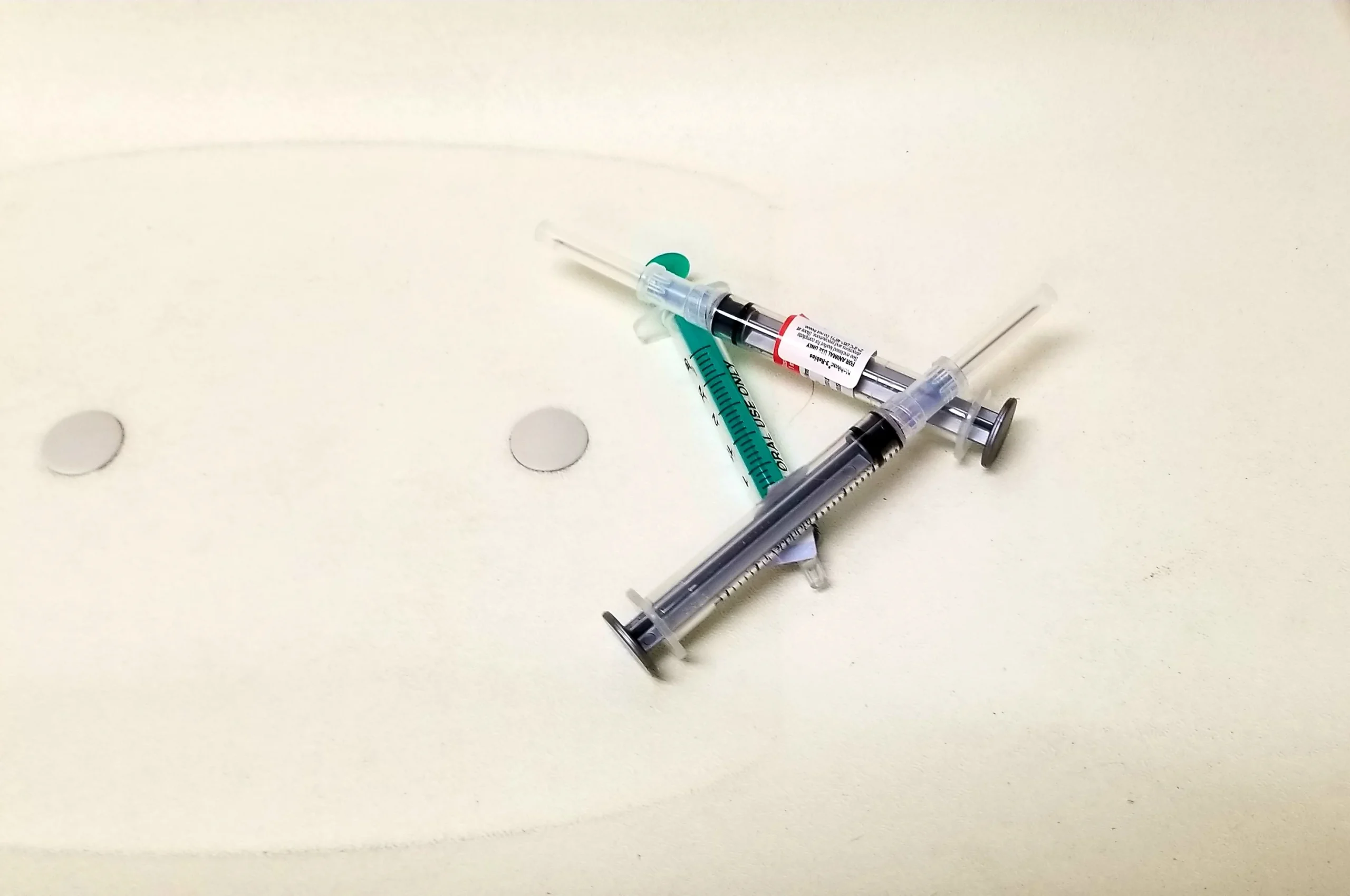
How to Handle Used Needles, Syringes and Lancets
FDA recommends placing used needles and other sharps into a sharps disposal container immediately after use. The goal is to reduce the chance that a loose sharp injures a household member, caregiver, sanitation worker, or another person handling waste.
FDA-cleared sharps containers are designed to resist punctures and leaks and have a secure lid. FDA also notes that some community programs may allow a heavy-duty plastic household container when an FDA-cleared container is not available, but local disposal instructions still control what happens after the container is filled.
California’s statewide sharps stewardship system provides disposal options for home-generated sharps at no cost to consumers. CalRecycle directs residents to sharps mail-back resources and explains that sharps waste containers and mail-back materials are part of the stewardship program.
- Contain the sharp after use.
Place used needles, syringes, lancets and similar sharps into an appropriate sharps container rather than leaving them loose.
- Keep the container secure.
Store the sharps container upright and away from children and pets while it is in use.
- Follow the fill line and container instructions.
Do not force additional sharps into a container that has reached its indicated limit.
- Use a California sharps route.
Check a local collection program or an available mail-back service rather than placing the container into a medication take-back receptacle.
How to Dispose of Unused Prescription and OTC Medicines
For unused or expired medicines, the preferred route is generally an authorized take-back option. California’s Board of Pharmacy lets consumers search for registered pharmacy collection receptacles and see whether a pharmacy offers mail-back envelopes. CalRecycle also provides statewide pharmaceutical stewardship information for drop-off and mail-back options.
DEA’s April 2026 Take Back Day guidance illustrates the difference between the medicine and sharps streams: participating sites accept tablets, capsules, patches and other forms of prescription drugs, and securely sealed liquid products can be accepted, but syringes and sharps are excluded.
Is this an unused medicine, or is there a needle or sharp attached to the product?
Does the collection site accept this dosage form, such as a liquid, patch, inhaler or other special product?
Is the prescription definitely no longer part of the current medication plan?
Does the site offer a medication bin, a mail-back envelope, or a separate sharps service?
Can personal information be removed or obscured from an empty container before recycling or discarding the container?
Does a controlled medication need the same authorized disposal route rather than being given to someone else?
Before Disposal
Confirm an Uncertain Prescription Before You Throw It Away
Las Palmas Pharmacy can help clarify the medication name, strength, refill status, label, or pharmacy record. Treatment decisions about stopping or restarting a prescription belong with the prescriber.
Injection Pens, Prefilled Syringes and Other Products Need an Extra Check
Some products combine medicine with a needle, syringe, cartridge, auto-injector or other device. Those items can create confusion during disposal because the medication component may look like pharmaceutical waste while the device can also present a sharps hazard.
Do not dismantle a used injection product just to make it fit a medication collection bin. FDA warns against unsafe handling of used needles, including attempts to remove, bend, break or manipulate sharps in ways that can cause a needlestick. Check the product instructions, the disposal program’s acceptance rules, or ask a pharmacist or the manufacturer which route is appropriate.
Attached needle
Treat the sharp as a safety issue first and confirm the approved disposal method for the complete device.
Unused medication inside a device
Ask the take-back or sharps program how it handles the specific product rather than guessing.
Inhalers and aerosols
These products may have special handling requirements, so check the product label or collection site’s instructions.
What Not to Do With Sharps or Unused Medicines
The wrong disposal method can create a puncture risk, medication-access risk, privacy issue, or environmental problem. A few simple boundaries help keep the disposal process safer.
Do not put loose needles, syringes or lancets into household trash or recycling.
Do not flush needles or other sharps down a toilet.
Do not place sharps into a medication take-back bin unless that specific program explicitly accepts them.
Do not share a prescription or controlled medication with another person instead of disposing of it.
Do not stop, restart, ration, or change a prescription because you found an older supply during a cleanout.
Do not use flushing as the default route for unwanted medicine; use official disposal guidance for the specific product.
Safe Next Steps for California Households
If you have several disposal items at once, separate them before leaving home. Keep used sharps in their container, keep unwanted medicines secure, and check the destination’s acceptance rules before traveling. A medication collection site may not provide a sharps service, and a sharps program may not accept loose medication bottles.
- Make three groups.
Separate used sharps, unused medicines, and mixed or uncertain products that need an extra check.
- Use official California search tools.
Check the Board of Pharmacy for medication take-back receptacles and California sharps resources for used needles and syringes.
- Confirm site rules.
Call ahead when the item is a liquid, inhaler, auto-injector, prefilled syringe, controlled medication, or another product with special handling.
- Keep prescription decisions separate from disposal decisions.
If you are unsure whether a medicine is still active, ask the prescriber or pharmacist before discarding it.
Frequently Asked Questions
Can I put used needles in a pharmacy medication take-back bin?
Not unless that specific program says it accepts sharps. The California Board of Pharmacy separates medication take-back resources from sharps-disposal resources, and DEA states that syringes and sharps are not accepted at National Prescription Drug Take Back Day sites.
What should I do with a used lancet or syringe at home?
FDA recommends placing used needles and other sharps into an appropriate sharps disposal container immediately after use. Keep the container secure and follow a California sharps collection or mail-back program for final disposal.
Does California have free sharps disposal options?
Yes. CalRecycle states that California’s statewide stewardship programs must provide safe and convenient disposal options for home-generated sharps waste at no cost to consumers and provides information for obtaining sharps containers with mail-back materials.
Where can I take unused prescription medicine in California?
The California State Board of Pharmacy maintains a search tool for registered pharmacy collection receptacles and identifies pharmacies that offer mail-back envelopes. Other authorized collectors may also provide year-round disposal options.
What if an injection pen or prefilled syringe still contains medicine?
Do not guess or dismantle the device simply to fit one disposal stream. Keep it secure and check the product instructions or ask the collection program, pharmacist, or manufacturer which disposal route applies to that specific product.
Can I give an unused prescription to someone else instead of disposing of it?
No. Prescription medicines should not be shared. If the medicine is no longer needed, use an authorized disposal option. If you are unsure whether it is still part of the treatment plan, confirm with the prescriber or pharmacist before disposal.
Use the Disposal Route That Matches the Item
Keep sharps out of medication bins, keep unwanted medicines out of sharps containers unless a program specifically directs otherwise, and ask before discarding a product that combines medicine with a needle or device.