California health officials reported an unusual late-spring resurgence of serious poisonings linked to Death Cap and Western Destroying Angel mushrooms. If a wild mushroom may have been eaten, do not wait for symptoms before seeking expert guidance.
California’s poisonous-mushroom outbreak did not end with winter. In a May 14, 2026 health update, the California Department of Public Health and California Poison Control System reported a late-spring resurgence of poisonings linked to amatoxin-containing wild mushrooms, including Death Caps and Western Destroying Angels.
For households, caregivers, hikers, and anyone who gathers food outdoors, the practical rule is simple: a suspected wild-mushroom exposure should be treated as a poison question, not as a wait-and-see problem. The California Poison Control Hotline can advise what to do next, and severe symptoms require emergency care.
Quick Answer
If you or someone you know may have eaten a poisonous wild mushroom, CDPH says to seek help immediately and call California Poison Control at 1-800-222-1222. Do not wait for symptoms. If the person has severe vomiting or diarrhea, severe stomach pain, trouble breathing, a seizure, collapses, or has another medical emergency, call 911. Keep any remaining mushroom pieces, photos, packaging, or location information available because those details can help poison specialists and clinicians assess the exposure. Do not induce vomiting unless Poison Control or a clinician specifically tells you to do so.
What California Reported About Poisonous Mushrooms in May 2026
CDPH’s May 14 update said 47 cases had been reported to California Poison Control as of May 11, 2026. The outbreak had caused four deaths and at least four liver transplants. Eight cases had been reported during the prior four weeks, including four in the most recent week.
The state described the timing as unusual. Death Caps typically decline by late winter, but continued spring rains were associated with a late-season resurgence. Western Destroying Angels can also bloom into spring. CDPH warned that these mushrooms had been collected in parks and other public areas across parts of Northern California and the Central Coast, while also stating that risk existed statewide.
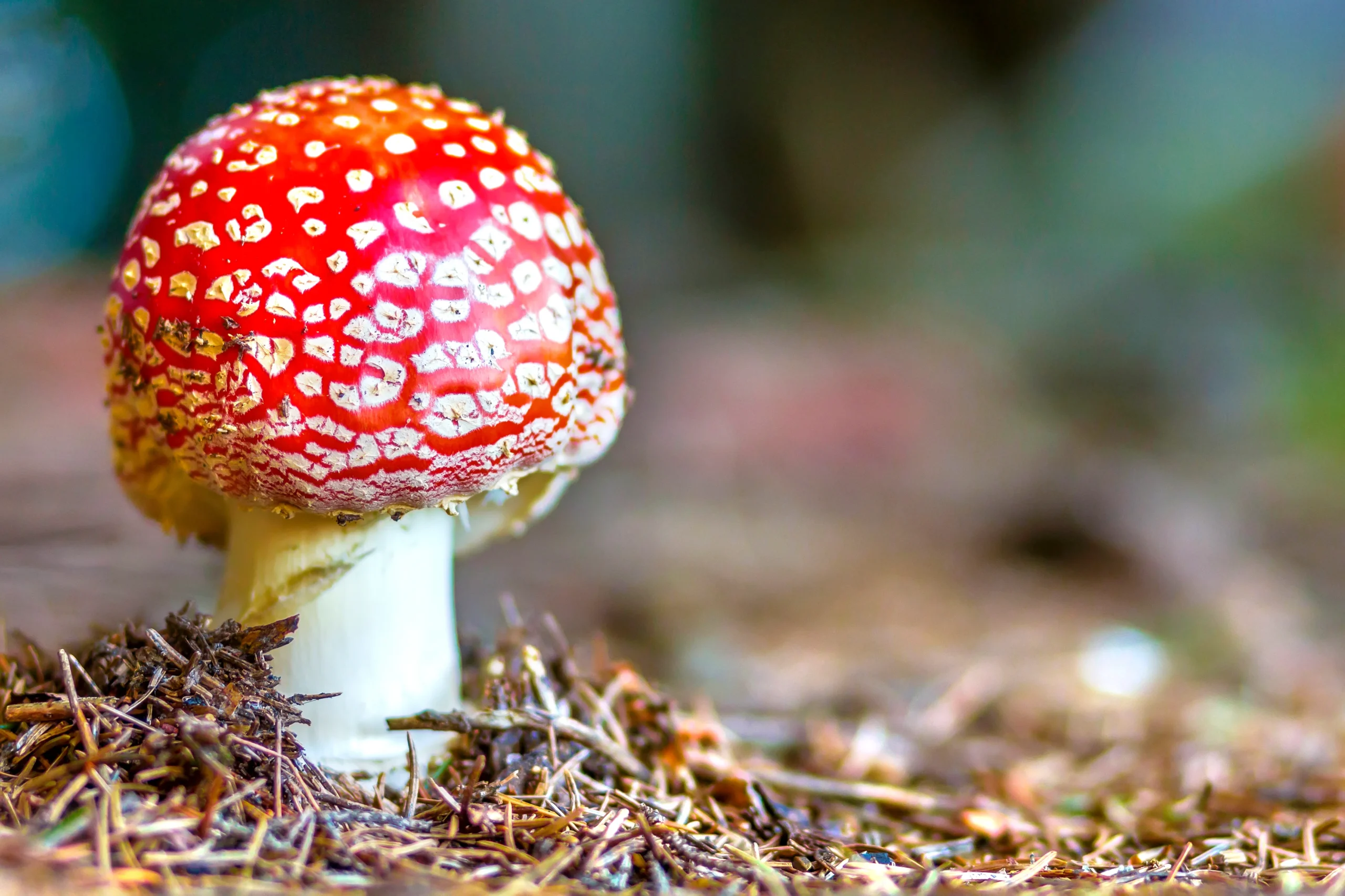
- Death Cap
- Amanita phalloides can contain amatoxins that cause severe liver injury.
- Western Destroying Angel
- Amanita ocreata is another amatoxin-containing mushroom associated with serious poisoning.
- Cooking is not a fix
- CDPH says boiling, cooking, or drying does not remove amatoxins from these mushrooms.
Do Not Rely on Appearance Alone
CDPH warns that toxic mushrooms can resemble edible varieties at different stages of growth. During this outbreak, even people with foraging experience had difficulty telling them apart.
When to Call California Poison Control After a Mushroom Exposure
Call California Poison Control at 1-800-222-1222 if a wild or unknown mushroom may have been eaten, even if the person feels well. The service is free, available 24 hours a day, and can advise whether home observation, medical evaluation, or emergency care is appropriate for the specific exposure.
Do not wait for stomach symptoms before calling. California Poison Control notes that some serious mushroom poisonings may have delayed symptoms, and CDPH’s May alert specifically tells Californians to seek help immediately after a suspected poisonous-mushroom ingestion.
- A child or adult ate a wild mushroom, even if no symptoms have started.
- You do not know what kind of mushroom was eaten or how much was consumed.
- The mushroom was foraged, picked in a yard or park, or supplied by another person.
- Vomiting, diarrhea, abdominal pain, cramping, or other symptoms begin after mushroom consumption.
Call 911 for a medical emergency, including collapse, a seizure, trouble breathing, or severe symptoms that require immediate emergency response. Poison Control can still be contacted for toxicology guidance.
What Information to Have Ready When You Call
You do not need to identify the mushroom perfectly before calling. Poison specialists can work from the facts you have. Gathering a few details first can make the call more useful, as long as doing so does not delay urgent care.
- Who was exposed.
Have the person’s age and approximate weight available, along with any symptoms that have started.
- What was eaten.
State that it was a wild or unknown mushroom and provide any common or scientific name only if you already know it.
- When and how much.
Estimate when the mushroom was eaten and the amount consumed, even if the amount is uncertain.
- Where it came from.
Share the park, yard, trail, neighborhood, county, or other location where the mushroom was collected.
- Photos or remaining pieces.
Keep clear photos and any remaining specimen available. If medical care is advised, bring the specimen when it can be transported safely.
California Poison Control says staff cannot reliably identify a plant or mushroom from a verbal description alone. Photos, a specimen, and location information may be more useful than trying to describe color or shape from memory.
Use the Pharmacy for Medication Records, Not Poison Triage
Las Palmas Pharmacy can clarify prescription labels, medication lists, storage, and refill records. A suspected mushroom poisoning should be directed to Poison Control or emergency care without waiting for a pharmacy callback.
What Not to Do After a Suspected Wild-Mushroom Exposure
Some actions can delay the right advice or make the situation harder to assess. Use Poison Control or emergency clinicians for exposure-specific instructions.
- Do not wait for symptoms
- CDPH says treatment becomes more difficult once symptoms begin.
- Do not induce vomiting
- California Poison Control advises against making the person vomit unless directed by a professional.
- Do not trust an app alone
- CDPH advises relying on local expert knowledge for mushroom identification rather than apps or websites.
Do not assume cooking, boiling, or drying made a foraged mushroom safe. Amatoxins in Death Caps and Western Destroying Angels are not removed by those methods. Do not serve the remaining mushrooms to another person to see whether they cause symptoms.
Safe Next Steps for California Households and Caregivers
For this May 2026 outbreak, CDPH urged Californians to avoid picking and eating wild mushrooms while the risk was high. Households can reduce exposure by purchasing mushrooms from established grocery stores or trusted retailers and keeping children and pets away from wild mushrooms.
- Save California Poison Control in your phone: 1-800-222-1222.
- Photograph a foraged mushroom before it is eaten if exposure has already occurred and it can be done safely.
- Keep remaining pieces away from children and pets while preserving them for possible identification.
- If emergency care is advised, bring available photos or a specimen without delaying departure.
Medication Changes Are Not a Home Response to Poisoning
If a person takes prescription medicines and has a suspected poisoning, do not stop, restart, skip, or change doses independently. Poison Control and the treating clinician can decide what information they need about the medication list.
Frequently Asked Questions
Should I call Poison Control if someone ate a wild mushroom but feels fine?
Yes. CDPH says to seek help immediately after a suspected poisonous-mushroom ingestion and not to wait for symptoms. California Poison Control is available at 1-800-222-1222, 24 hours a day.
What symptoms can occur with poisonous wild mushrooms?
California Poison Control lists vomiting, diarrhea, abdominal pain, and cramping among possible symptoms. Some amatoxin-containing mushrooms can cause severe liver injury. Symptoms and timing vary, so a lack of early symptoms does not rule out a serious exposure.
Can cooking a Death Cap or Western Destroying Angel make it safe?
No. CDPH states that the amatoxins in these mushrooms are not removed by boiling, cooking, or drying.
What should I save after a suspected mushroom exposure?
Keep any remaining mushroom pieces, useful photos, and information about where the mushroom was collected. These details may help poison specialists or clinicians. Do not delay emergency care while gathering them.
Can a phone app safely identify an edible wild mushroom?
CDPH advises people who forage to rely on local expert knowledge for identification rather than apps or websites. During the 2025-2026 outbreak, poisonous mushrooms were mistaken for edible varieties.
When should I call 911 instead of only calling Poison Control?
Call 911 for a medical emergency, such as collapse, a seizure, trouble breathing, or severe symptoms needing immediate emergency response. Poison Control can also provide toxicology guidance at 1-800-222-1222.
For a Suspected Mushroom Poisoning, Call the Right Resource First
California Poison Control provides immediate exposure guidance at 1-800-222-1222. Las Palmas Pharmacy remains available for prescription labels, medication records, refill status, storage, and other pharmacy questions.