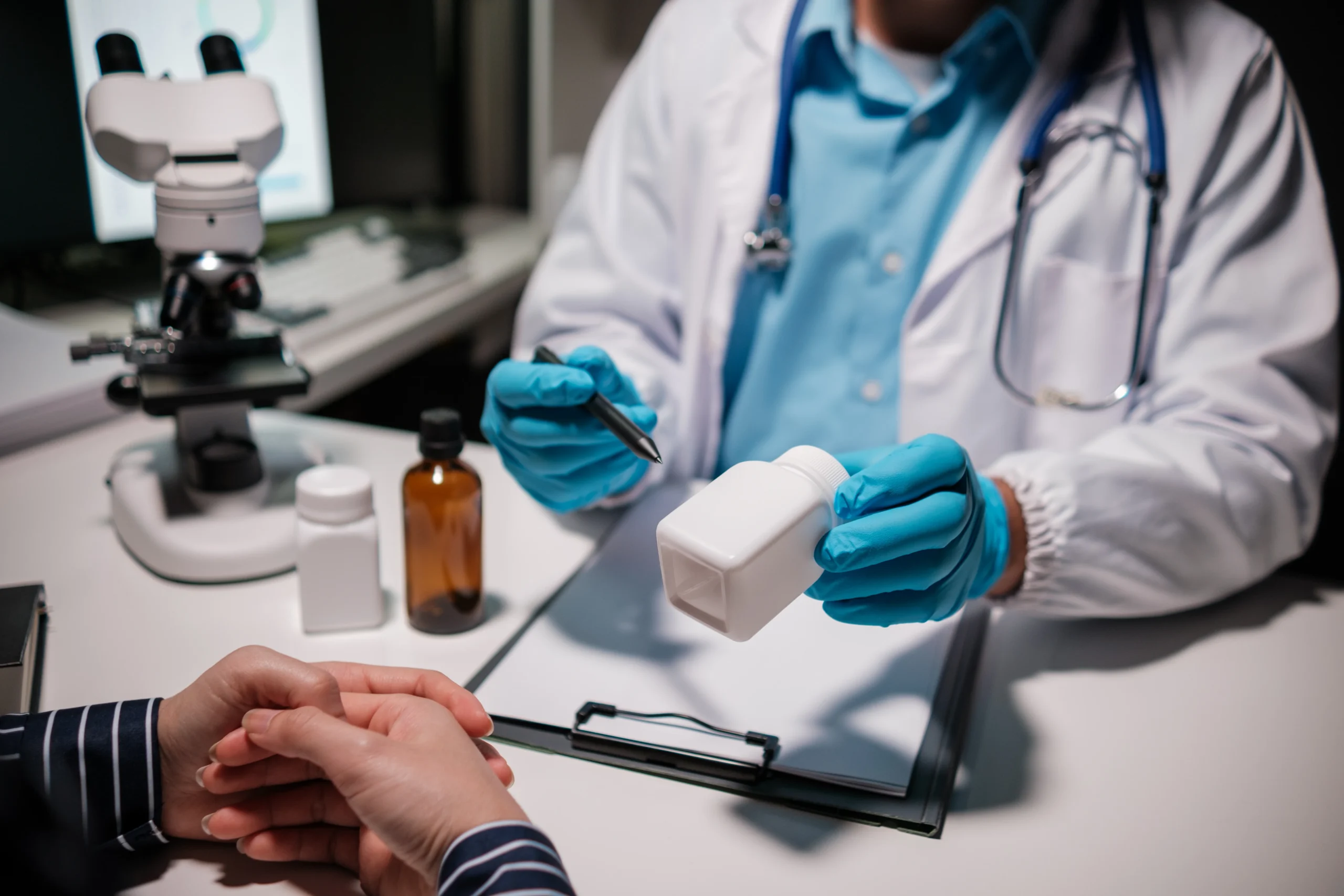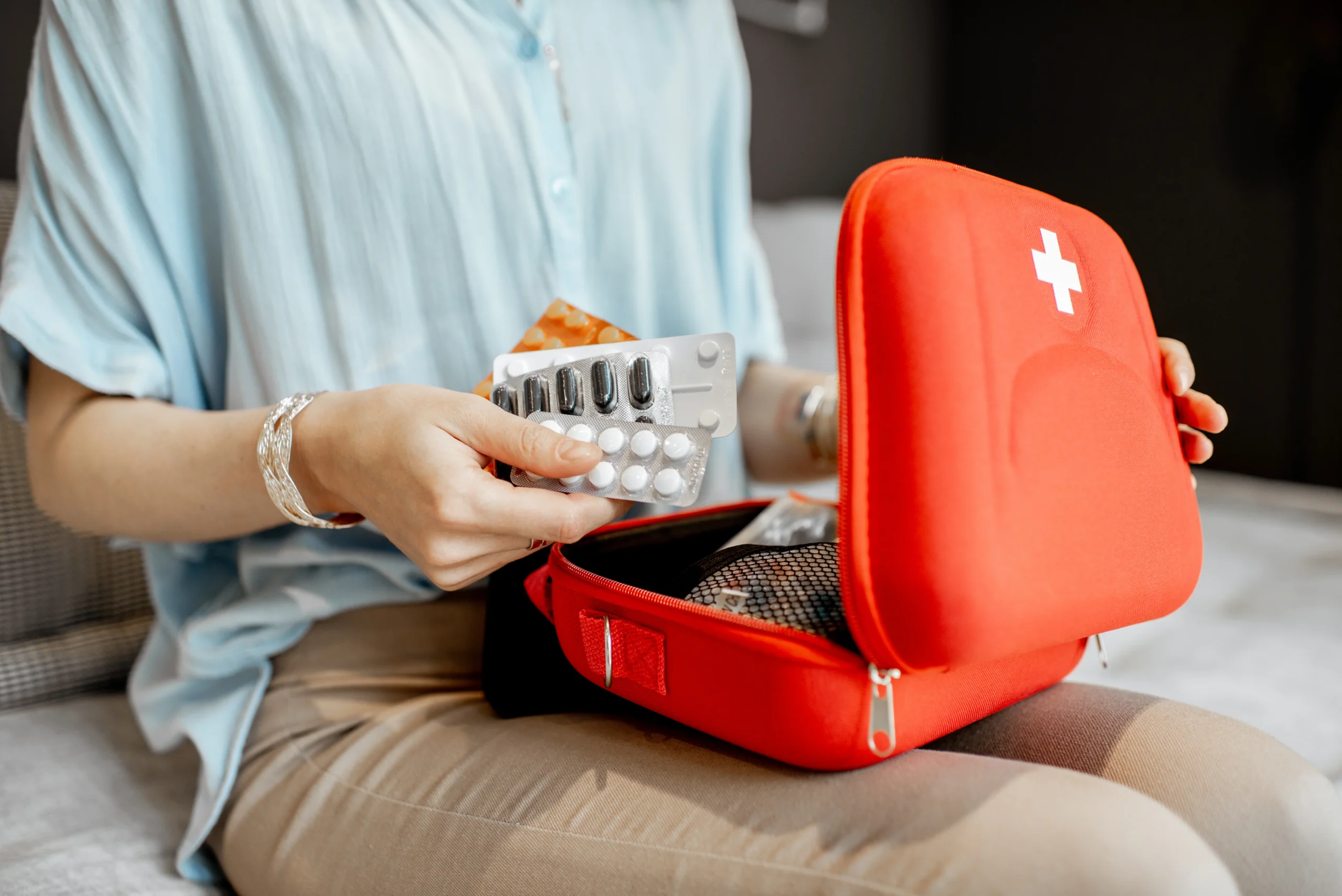

A school medication plan works only when the parent, student, prescriber, school and pharmacy are working from the same current information. California guidance makes the handoff concrete: updated written instructions, correctly labeled medicine, clear school procedures and a refill plan before the first school-day dose is due.
Back-to-school medication planning is different from simply packing a prescription in a backpack. California Department of Education guidance says that when a student needs medicine during the school day, families should provide written parent or guardian permission and written instructions from a California-licensed healthcare provider, with updated notes at the beginning of each school year and whenever the medicine, instructions or provider changes.
The pharmacy has a different role: dispensing the prescribed medicine in a properly labeled container, clarifying the label, checking refill status and helping the family keep pharmacy information current. The school manages its medication procedures. The prescriber determines the clinical directions. The student’s role depends on age, ability, school policy and whether self-carry or self-administration is authorized.
Quick Answer
Before the first school day, confirm four things. First, the school has current parent and prescriber instructions for every medicine that must be taken during school hours. Second, the medicine is in the separate pharmacy-labeled container required by the school, not a loose pill or an unlabeled household container. Third, the student and school know whether the medicine will be stored and administered by school personnel or whether the student is specifically authorized to carry and self-administer it. Fourth, the family knows the refill status, pharmacy contact and prescriber contact. Do not change the dose, school-time schedule or route simply to make the school day easier without prescriber direction.
Why the School Medication Handoff Needs Four Clear Roles
A missed handoff often happens because each person assumes someone else has the current information. The parent may have the newest instructions, the pharmacy may have the newest prescription label, the prescriber may have changed the order, and the school may still have last year’s form.
The student is the fourth role. Depending on the medicine and school authorization, the student may simply know where the medicine is stored, may report when a dose is due, or may be authorized to carry and self-administer a specific medicine. The school’s procedure and applicable California requirements determine how that part works.
Parent or Guardian Tasks Before the First School-Day Dose
The California Department of Education’s Medication Administration Assistance guidance, last reviewed July 23, 2026, gives families several specific preparation steps.
- Get this year’s school medication procedure
Ask the school what forms, signatures, delivery process and storage arrangements apply at that campus rather than relying on last year’s routine.
- Provide new written notes
CDE says the school should receive updated parent or guardian and licensed-provider written instructions at the beginning of each school year and whenever the medicine, instructions or provider changes.
- Have an adult deliver the medicine when required
CDE states that a parent, guardian or another adult should deliver medicine to school except when the student is authorized to carry and take it independently.
- Keep the school contacts current
Make sure the school knows whom to call if the medication runs low, the order is unclear or the student has a medication-related problem.
Controlled medicines require additional handling at school. CDE states that controlled medicine must be counted and recorded on a medication log when delivered, with the adult who brings it verifying the count by signing the log.
Prescriber Information Should Match the School-Day Plan
The school order should reflect the actual prescribed directions that apply during school hours. A family should not rewrite the schedule from memory or move a dose into the school day without prescriber direction.
What medication, strength and dosage form is prescribed?
What exact dose and time or circumstance applies during the school day?
Does the order include any student self-carry or self-administration authorization?
Who should the school contact if the order needs clarification?
Pharmacy Label and Refill Checks Before Medicine Goes to School
CDE says each medicine given at school should be in a separate container labeled by a pharmacist licensed in the United States. The container should identify the student, prescriber, medicine and instructions for when and how much to take.
- Compare the label with the current school order
If the school form and pharmacy label do not match, resolve the discrepancy before the medicine is delivered rather than asking school staff to guess which instruction is current.
- Check whether a separate labeled school container is needed
Ask the pharmacy what can be provided under the prescription and dispensing rules; do not divide prescription medicine into an unlabeled container yourself.
- Review refill status
Confirm whether refills remain and when the next fill can be processed so the school supply does not unexpectedly run out.
- Keep pharmacy contact information with the school record
The correct pharmacy name and phone number can help the parent or school identify where the current prescription was dispensed.
An early school-year refill is not automatically covered just because the school needs a separate supply. Refill timing can depend on the prescription, medication, insurance plan, previous fill and prescriber authorization. Ask the pharmacy what applies to the specific prescription.
The Student Should Know the Plan, but Self-Carry Is Not Automatic
Students benefit from knowing what the medicine is called, why they may need to go to the health office, and who to tell if a scheduled dose or emergency medicine is needed. That knowledge is different from permission to carry or self-administer the medicine.
California school rules include specific pathways for certain emergency medicines such as prescribed inhaled asthma medication and epinephrine when the required authorizations are in place. Families should still follow the student’s own school procedure rather than assuming a statewide rule removes all campus documentation requirements.
Run a First-Week Readiness Check
The first week of school is a good time to make sure the paperwork, label and actual medicine all match.
- Confirm the school received the forms
Do not assume a form sent by email, portal or backpack has been reviewed and accepted; confirm the school has what it needs.
- Confirm the medicine arrived correctly labeled
The school supply should remain in the appropriate labeled container and match the current order.
- Check the remaining quantity
Know approximately how many school-day doses are available so the family can address refill timing before the supply is exhausted.
- Ask the student to explain the routine
The student should know where to go, whom to tell and what to do if a dose is due or an emergency medicine is needed.
- Update any change immediately
If the prescriber changes the medicine or directions, update the school paperwork and supply rather than leaving two conflicting sets of instructions in circulation.
FDA recommends keeping a current medication list that includes prescription medicines, OTC products, vitamins, supplements, allergies and directions. A family copy can help parents, pharmacists and clinicians keep the school plan aligned with the student’s broader medication record.
Frequently Asked Questions
What paperwork does a California school need for medication during the school day?
CDE tells families to provide written parent or guardian permission and written instructions from the student’s California-licensed healthcare provider, with updated notes at the beginning of each school year and whenever the medicine, instructions or provider changes.
Can I send school medicine in a pill organizer or small bag?
CDE says medicine given at school should be in a separate pharmacy-labeled container identifying the student, prescriber, medicine and directions. Do not substitute an unlabeled household container for the school supply.
Can my child carry an inhaler or epinephrine auto-injector?
California has pathways for authorized self-carry and self-administration of certain emergency medicines, but the required healthcare-provider and school documentation still applies. Follow the specific school’s procedure.
Who should deliver medication to school?
CDE states that the parent, guardian or another adult should deliver medicine to school except when the student is authorized to carry and take it independently.
Can the pharmacy give us a separate bottle for school?
Ask the dispensing pharmacy what can be provided under the prescription and dispensing rules. Do not split prescription medicine into an unlabeled container yourself. Refill or additional-container issues may depend on the prescription and insurance plan.
What should we do if the school order and pharmacy label do not match?
Do not ask the student or school staff to choose between conflicting directions. Contact the prescriber and pharmacy so the current prescription, label and school instructions can be reconciled before the medicine is administered at school.
Make the School Plan Match the Current Prescription
The safest back-to-school handoff is one current set of instructions shared across the parent, student, school, prescriber and pharmacy. Resolve differences before the first school-day dose instead of relying on memory or last year’s paperwork.