
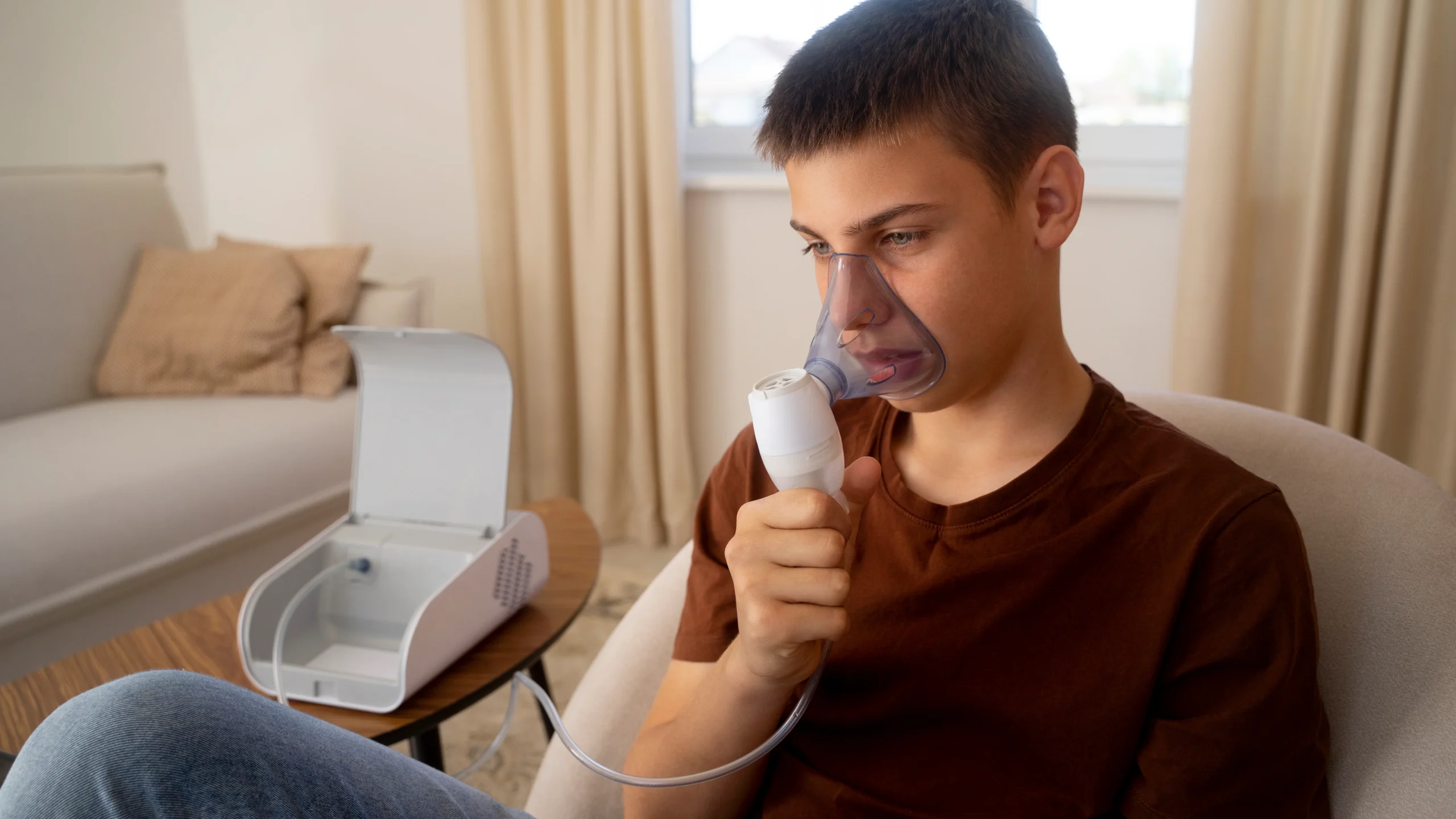
California’s July 17 respiratory report did not show a broad surge. Combined influenza, RSV, and COVID-19 illness causing people to seek healthcare remained low, while COVID-19 activity was low but slowly increasing. For families with higher-risk members, that is a practical reason to check records, existing care plans, medication access, and clinician contacts before someone gets sick.
California entered the 2026–2027 respiratory season on July 5. By the July 17 update, the California Department of Public Health reported that the combined amount of influenza, RSV, and COVID-19 illness causing people to seek healthcare was low. The same update said statewide COVID-19 activity was low but slowly increasing.
That wording matters. It does not mean influenza, RSV, and COVID-19 were all rising together, and it does not mean every household needs a treatment change. It does give caregivers a useful checkpoint for higher-risk family members: make sure the current medication list, existing respiratory care instructions, testing plan, pharmacy information, and clinician contacts are easy to find before illness starts.
Quick Answer
As of July 17, 2026, CDPH described combined respiratory illness in California as low and COVID-19 activity as low but slowly increasing. Caregivers can use that signal to review which family members are at higher risk, confirm that medication and vaccine records are current, check prescription refill status, locate any existing asthma or other respiratory action plan, confirm how to reach the clinician after hours, and know where testing is available. Do not change a prescription, dose, route, frequency, inhaler schedule, oxygen setting, or preventive treatment on your own because a statewide activity level changed.
What California Actually Reported on July 17
The CDPH Respiratory Virus Dashboard tracks influenza, RSV, and COVID-19 using statewide and regional indicators such as positive tests, emergency department visits, hospital admissions, deaths, and wastewater data. CDPH says the dashboard generally updates most Fridays.
The July 17 summary had two different messages: combined respiratory illness causing people to seek healthcare was low, and statewide COVID-19 activity was low but slowly increasing. A useful family plan should reflect both points instead of turning a small change in one virus into a claim that California was experiencing a broad respiratory surge.
- Statewide is not household-specific
- A dashboard trend cannot tell whether one person has flu, RSV, COVID-19, or another illness.
- Low does not mean zero
- Respiratory viruses circulate year-round, and higher-risk people can still become seriously ill.
- Regional data can differ
- The CDPH dashboard allows people to review respiratory activity by California region as well as statewide.
Do Not Use a Dashboard as a Diagnosis
Surveillance data helps show population trends. Symptoms, testing needs, diagnosis, and treatment decisions require patient-specific clinical evaluation.
Which Family Members Should Get an Earlier Plan Review?
CDPH lists several groups that can be more likely to become very ill from respiratory infections. These include older adults, especially those 65 and older; infants and young children; people with certain chronic medical conditions; people with weakened immune systems; people with disabilities; people who are pregnant or recently pregnant; and people living in skilled nursing or other long-term care settings.
A caregiver does not need to decide independently how much risk a diagnosis creates. The practical step is to identify who already has a clinician, specialist, respiratory action plan, home medical equipment, or time-sensitive treatment instructions and make sure those details are current.
- Reject code
- Shows the claim edit that prevented or affected processing.
- Current clinician informatione
- Primary care, specialist, pediatrician, or other treating clinician and an after-hours contact route.
- Medication record
- Prescription medicines, over-the-counter products, supplements, allergies, and the pharmacy used for each active prescription.
- Existing action plans
- Keep clinician-issued asthma, COPD, oxygen, or other respiratory instructions where the caregiver can find them quickly.
- Testing information
- Know what home tests are available, their expiration information, and where the family would seek testing or clinical evaluation if needed.
- Emergency threshold
- Know which symptoms the treating clinician has said require urgent evaluation and when to use emergency services.
Review the Plan Before Someone Feels Sick
For a higher-risk family member, the most useful July task is administrative and practical. Confirm that everyone who may help with care can find the same medication list and understands whom to contact. If there is an established sick-day, asthma, or respiratory action plan, check that the latest version is on hand rather than relying on memory.
Also review the person’s immunization record with the appropriate clinician or pharmacy when applicable. CDPH advises Californians to stay current on respiratory-virus immunizations, but eligibility and timing can depend on age, health status, prior doses, pregnancy, and current recommendations. A statewide dashboard update is not a reason to improvise a vaccine schedule.
- One shared record
- Keep a current medication and allergy list that can travel with the patient or caregiver.
- One current plan
- Remove outdated copies of action plans so caregivers are less likely to follow superseded instructions.
- One contact path
- Know who to call first for routine questions, new symptoms, prescription access, and urgent concerns.
Medication Readiness Means Checking Access, Not Changing Therapy
A pharmacy can help with several parts of respiratory preparedness: confirming what was dispensed, reading labels, checking refill status, explaining storage directions on the label, reviewing pharmacy records, and identifying when a new prescription or prescriber authorization is required.
Before illness begins, caregivers can check whether routine prescriptions are close to refill time, whether rescue or emergency medicines listed in an existing clinician plan are physically present and within labeled expiration dates, and whether devices such as spacers or nebulizer supplies that the patient already uses are available. Do not add, stop, restart, substitute, ration, or change the frequency of a medicine without the appropriate clinician’s direction.
- Compare the medicine in the home with the current medication list and remove obvious record discrepancies for follow-up.
- Check labeled expiration dates and storage instructions rather than relying on memory.
- Confirm refill status before weekends, travel, or caregiver handoffs when practical.
- Keep pharmacy, prescriber, insurance, and emergency contact information with the medication record.
- For home oxygen or electrically powered medical equipment, follow the supplier and clinician’s established emergency plan.
If a Higher-Risk Person Develops Symptoms, Contact the Right Clinician Early
CDPH advises people at higher risk for serious respiratory illness to seek medical help as soon as they start feeling sick. Its public guidance also notes that early treatment for eligible people with influenza or COVID-19 can reduce the risk of serious illness, and that prescription antiviral treatment is time-sensitive.
This does not mean every cough needs an antiviral or that a caregiver should use leftover medication. Testing, eligibility, drug interactions, kidney or liver considerations, pregnancy, age, and the likely infection can affect treatment decisions. Contact the treating clinician or another qualified healthcare professional promptly when a higher-risk person becomes ill.
Emergency Symptoms Need Emergency Care
If someone has severe trouble breathing, persistent chest pain or pressure, new confusion, inability to wake or stay awake, or another emergency warning sign, seek emergency medical care rather than waiting for a routine pharmacy response.
Questions Caregivers Can Ask the Pharmacy or Clinician
- Is this medication list current with what the pharmacy has dispensed?
- Which prescriptions are near refill time, and does any refill require prescriber authorization?
- Are the storage and expiration directions on these respiratory medicines still clear?
- Which family members does the clinician consider higher risk for respiratory complications?
- If symptoms begin, whom should we contact first and what information should we have ready?
- Is there a current written action plan or testing plan we should keep with the medication record?
Frequently Asked Questions
Was respiratory illness high in California on July 17, 2026?
No. CDPH reported that combined influenza, RSV, and COVID-19 illness causing people to seek healthcare was low. The same update said statewide COVID-19 activity was low but slowly increasing.
Does a slowly increasing COVID-19 trend mean I should change my medication schedule?
No. A population trend is not a patient-specific treatment instruction. Continue to follow the prescription label and existing clinician plan unless the appropriate clinician changes it.
Who does CDPH consider at higher risk for severe respiratory illness?
CDPH includes older adults, infants and young children, people with certain chronic conditions, people with weakened immune systems or disabilities, people who are pregnant or recently pregnant, and people in long-term care settings among higher-risk groups.
What should a caregiver review before respiratory activity rises further?
Review the current medication and allergy list, refill status, existing respiratory action plans, testing access, pharmacy and clinician contacts, medical equipment plans, and the family member’s current immunization record.
Why does CDPH advise higher-risk people to seek care early when symptoms begin?
Some prescription treatments for influenza and COVID-19 work best when started early in eligible patients. A clinician should determine testing, diagnosis, eligibility, medication interactions, and the appropriate treatment.
Can Las Palmas Pharmacy tell me whether my family member needs antiviral treatment?
The pharmacy can help with prescription records, medication access, labels, refill questions, and medication information. Diagnosis and patient-specific treatment decisions should be made by the appropriate clinician or other qualified healthcare professional.
Use a Low-Level Increase as a Planning Checkpoint
California’s July 17 report did not describe a statewide respiratory surge. It did show a low but slowly increasing COVID-19 trend. For higher-risk families, that is enough reason to make sure records, prescriptions, clinician instructions, testing plans, and contact information are ready before they are needed.