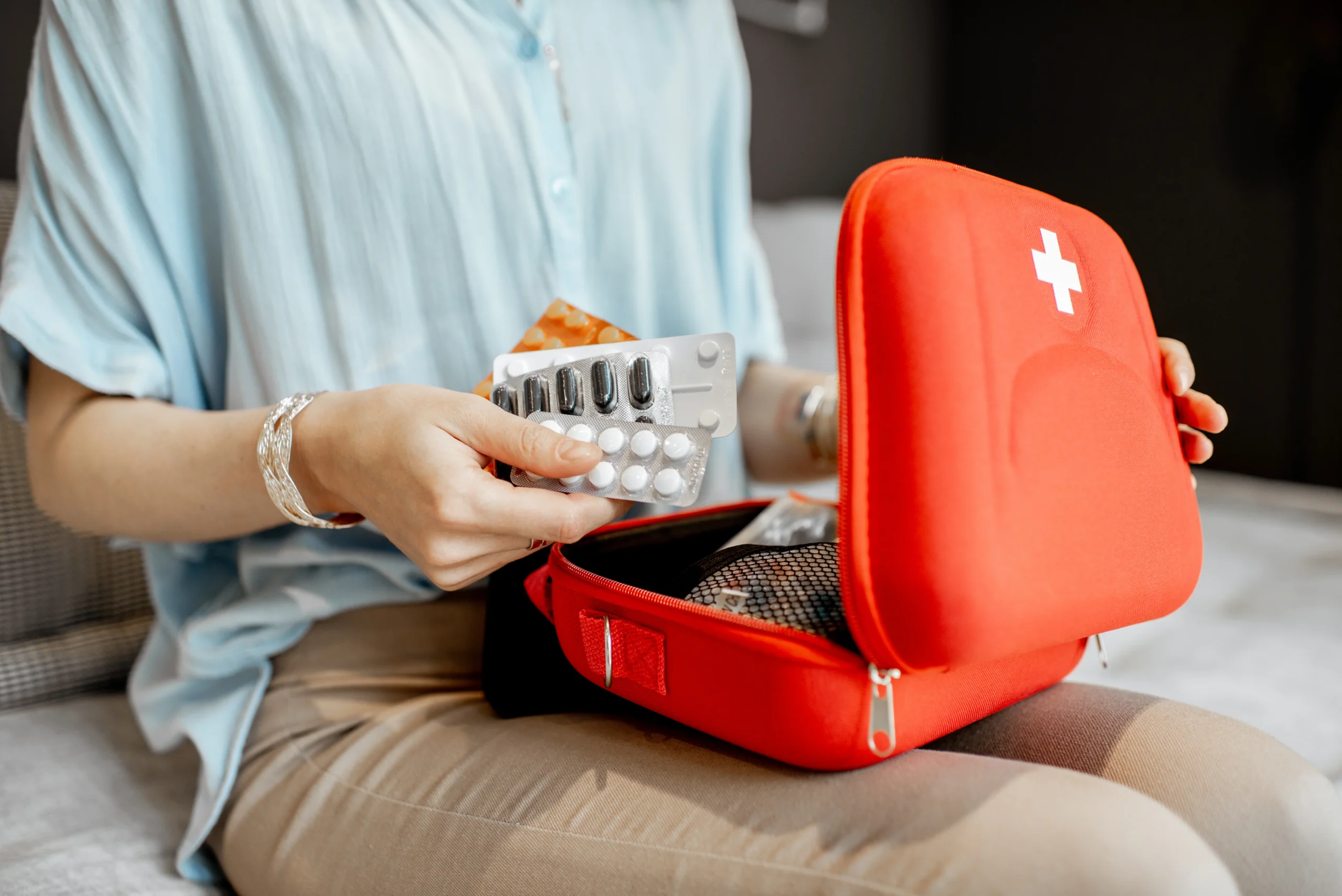
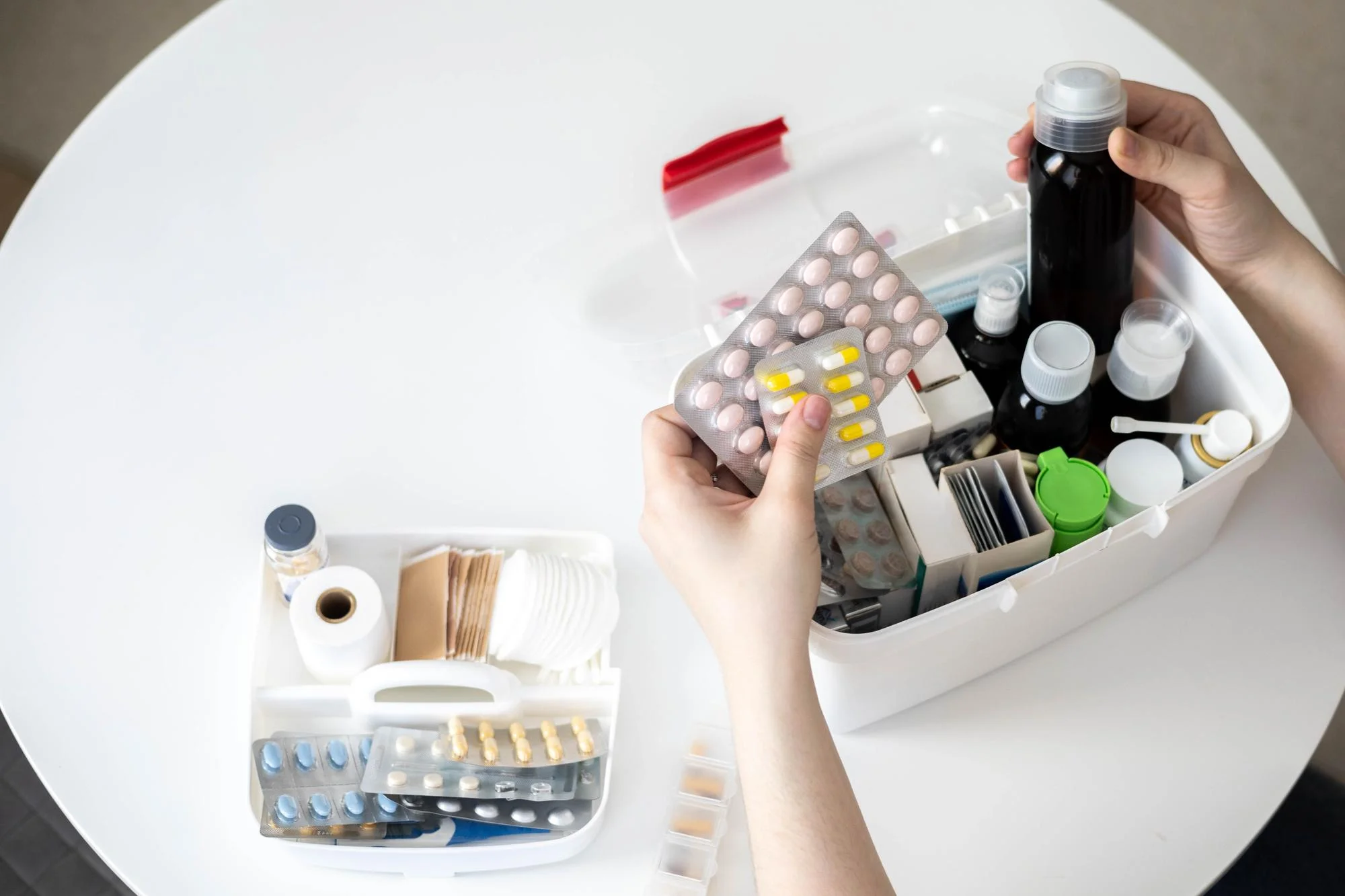
Winter storms can close roads, interrupt power and make a usual pharmacy harder to reach. A seven-day prescription supply, current medication list and product-specific storage plan can give families more time to respond without changing treatment on their own.
A winter medication plan is not only for mountain communities. Heavy rain, flooding, wind, snow, road closures and power outages can interrupt pharmacy access in different parts of California. Even a short disruption matters when a household depends on daily prescriptions, refrigerated products, inhalers, injectables or medical supplies.
The useful time to prepare is before a refill becomes urgent. Families can count what is already on hand, confirm current prescriptions, review storage instructions and keep the pharmacy and prescriber contact information with the medication list.
Quick Answer
CDC emergency-preparedness materials recommend keeping at least a one-week supply of prescription medications when possible. CDPH advises Californians to make sure prescriptions are filled before winter storms, while FDA recommends knowing how much medication is on hand and arranging early refills when pharmacy access may be disrupted. The seven-day target is a preparedness goal, not permission to refill every prescription early or to change how a medication is used. Refill timing can depend on the prescription, remaining refills, insurance rules, controlled-substance requirements and pharmacist review. Keep medicines in their labeled containers, protect them from floodwater, and follow the product-specific storage instructions for anything that requires refrigeration or other special handling.
Why Winter Prescription Planning Matters in California
California Department of Public Health winter-storm guidance notes that severe weather can last for several days, cause extended power outages and affect transportation and health-care services. The same conditions can make a routine pharmacy trip difficult even when the pharmacy itself remains open.
A family does not need to predict exactly which road, neighborhood or utility will be affected. The safer approach is to prepare for a temporary gap in normal access: keep current prescriptions filled within the limits of the prescription and coverage, know where the medication list is stored, and have a plan for products that depend on electricity or refrigeration.
- Road and transportation delays
- Heavy weather can make a routine pickup or prescriber visit harder to complete on schedule.
- Power interruption
- Refrigerated medicines and powered medical devices may need product-specific backup planning.
- Evacuation or relocation
- A labeled supply and current list make it easier to explain what is needed away from home.
What a Seven-Day Prescription Supply Does — and Does Not — Mean
CDC emergency-kit materials have long used a seven-day medication supply as a practical preparedness benchmark, and newer CDC guidance for people with disabilities recommends at least one week of prescription medications in an emergency kit. FDA severe-weather guidance also recommends maintaining at least a week’s supply when possible.
The goal is continuity during a temporary disruption. It does not mean taking extra doses, doubling prescriptions, keeping expired medication as a backup, or assuming an early refill will always be covered. Instead, look at the current label, count the doses remaining and compare that amount with the timing of the next authorized refill.
Important Distinction
A seven-day emergency supply is a planning target, not an automatic early-refill entitlement. If the amount on hand is low, ask the pharmacy what the prescription record allows and whether the insurer, prescriber or pharmacist needs to be involved.
Some Medications and Supplies Need More Planning Than a Pill Bottle
The basic checklist works for many routine prescriptions, but certain products need an additional storage, device or supply plan. The label and product-specific instructions should guide that preparation.
- Refrigerated medications
- Know the required temperature range and what to do if normal refrigeration is interrupted.
- Injectables and devices
- Include needles, syringes, testing supplies, batteries, chargers or other items needed for use.
- Time-sensitive prescriptions
- Check refill timing early when a missed pickup could create a treatment interruption.
For controlled medications, specialty products or prescriptions with limited refill flexibility, contact the pharmacy before conditions worsen. Do not transfer, substitute, ration or change use based on a general emergency article.
Protect Medications From Floodwater, Heat and Refrigeration Loss
FDA recommends keeping medication bottles or packages in water-tight containers when flooding or water damage is possible. If medication comes into contact with flood or contaminated water, it may no longer be safe to use even when the original package was closed.
Temperature-sensitive medicines need their own plan. A cooler and ice packs may be useful for some products, but storage limits vary. Do not place a medication directly against ice or assume that every refrigerated product can be frozen. If power has been out or a product has been outside its labeled temperature range, ask the pharmacist, prescriber or manufacturer for product-specific guidance.
Storage Question
Unsure Whether a Prescription Was Stored Correctly?
Las Palmas Pharmacy can review the label instructions for prescriptions it dispenses and help identify when product-specific guidance from the manufacturer or prescriber is needed.
A Five-Step Winter Refill and Emergency Checklist
- Count what is actually on hand.
Check the current container and estimate how many days remain using the label directions. Do not rely on an old refill date or memory.
- Update one medication list.
Record each current medication, strength, directions, allergies, prescriber and pharmacy contact. Remove outdated directions from the active list.
- Check the next refill before a storm.
If the supply may run short, ask the pharmacy what the prescription record allows and whether an insurer or prescriber action is required.
- Prepare storage and supporting supplies.
Pack labeled medicines, needed devices and supplies, and a product-appropriate cooling plan for medicines that require refrigeration.
- Keep medications ready to travel.
Store the medication kit where it can be reached quickly if evacuation becomes necessary, while keeping medicines secure from children and unauthorized access.
Know When a Pharmacy Question Becomes an Urgent Medical or Emergency Issue
Las Palmas Pharmacy can help with refill status, transfer questions, medication lists, label storage instructions and prescription records. A prescriber may need to be involved when the treatment plan, dose, medication choice or clinical monitoring needs to change.
During a declared emergency, California law can give pharmacists limited flexibility in certain circumstances, including professional-judgment authority for some refills when a prescriber is unavailable and interruption of ongoing care could significantly affect a patient’s well-being. That authority is not a guarantee that every prescription can be refilled, and federal law, controlled-substance rules, insurance requirements and the individual prescription still matter.
If a person is having severe symptoms, cannot safely use a critical medication, or faces an immediate medical emergency, seek appropriate emergency medical care rather than waiting for a routine pharmacy response. Follow local evacuation orders and emergency alerts when public officials direct residents to leave.
Six Questions Families Can Ask Before Winter Weather Disrupts Access
Specific questions are easier to answer before roads, power or pharmacy access are affected.
- How many days of this prescription do I have left based on the current label directions?
- When is the next refill authorized, and is there anything I should resolve before then?
- Does this medication require refrigeration, protection from freezing or another special storage condition?
- What should I do if this medication is exposed to floodwater or an extended power outage?
- If I evacuate, what prescription information should I keep with my medication list?
- If my usual pharmacy or prescriber becomes temporarily unavailable, who should I contact first?
Frequently Asked Questions
Why does the article use a seven-day prescription supply as the target?
CDC emergency-preparedness materials recommend at least one week of prescription medication for emergency planning, and FDA severe-weather guidance also recommends maintaining at least a week’s supply when possible. The amount a patient can actually obtain depends on the prescription, refill timing, insurance, controlled-substance requirements and other applicable rules.
Should I ask for an early refill every time a winter storm is forecast?
Not automatically. First count what you already have and check the next authorized refill date. If the current supply may not cover a likely disruption, contact the pharmacy before access becomes difficult. The pharmacy can explain what the prescription record shows and whether the insurer or prescriber needs to be involved.
What should I put on an emergency medication list?
Include the current medication name, strength, dosage form and label directions, along with known medication allergies, prescriber contact information and your usual pharmacy contact. Add important devices or supplies used with the prescription and update the list whenever the regimen changes.
What should I do with refrigerated medicine during a power outage?
Follow the product-specific storage instructions and avoid guessing. FDA advises contacting a pharmacist, healthcare provider or manufacturer if there is concern about a temperature-sensitive medicine after loss of refrigeration. Some products may have limited room-temperature stability while others may need replacement.
Can a California pharmacist provide an emergency refill if my prescriber cannot be reached?
California law gives pharmacists limited professional-judgment authority in certain circumstances when a prescriber is unavailable and failure to refill could interrupt ongoing care and significantly affect the patient’s well-being. It is not an automatic right to a refill, and other state, federal, controlled-substance, insurance and prescription requirements may apply.
Can Las Palmas Pharmacy help me prepare prescriptions for an evacuation?
Las Palmas Pharmacy can help with non-emergency questions about refill status, transfers, medication lists, prescription-label storage directions and records for prescriptions it dispenses. For evacuation orders, road hazards or medical emergencies, follow public-safety officials and appropriate emergency medical services rather than waiting for a pharmacy response.
Prepare Prescriptions While Roads and Power Are Still Normal
Count the supply, update the medication list, check the next refill and confirm special storage instructions before winter conditions make normal pharmacy access harder.