A controlled prescription deserves a clear home routine. Families can reduce confusion by limiting access, keeping track of what was dispensed, and using an authorized disposal option when medication is no longer needed.
Controlled medications can be appropriate and necessary when prescribed, but they also require more deliberate handling at home. A bottle left in an easy-to-open cabinet can be accessible to children, teenagers, guests or anyone else who enters the home.
January is a practical time to check what remains after holiday travel, visitors, procedures or prescription changes. The goal is not to alter treatment. It is to know what is in the home, who should have access, and what to do with medication that is no longer needed.
Quick Answer
Keep controlled prescriptions in a secure location that limits access, preferably locked when feasible. DEA safety guidance encourages families to keep track of the amount on hand, including counting pills when received and checking periodically. If a quantity seems different from what you expected, confirm the label, fill quantity and dosing history before drawing conclusions, and contact the dispensing pharmacy with questions. Do not share a controlled prescription with another person. When medication is expired, unwanted or no longer needed, California’s Board of Pharmacy provides a locator for registered collection bins and mail-back options. Disposal questions should be handled through an authorized program or the medication’s official instructions rather than improvised at home.
Why a Home Controlled-Medication Check Matters
DEA public-safety guidance has long emphasized three home practices: restrict access, keep track of legally prescribed controlled substances, and remove unused medication through safe disposal. These steps are designed to reduce accidental exposure, diversion and misuse.
- Access matters
- A medicine cabinet or kitchen drawer may be easy for children, teenagers or visitors to reach.
- Quantity matters
- Knowing what was dispensed and what remains can help a family notice an unexpected difference earlier.
- Unused medicine matters
- Medication that is no longer needed should not remain indefinitely simply because the bottle is still in the home.
Medication Safety Is Not Medication Management
Counting or securing a prescription does not give a caregiver permission to change the dose, timing, frequency or duration. Treatment questions belong with the prescriber, while label, quantity, refill and dispensing questions can be reviewed with the pharmacy.
Store Controlled Prescriptions Where Access Is Limited
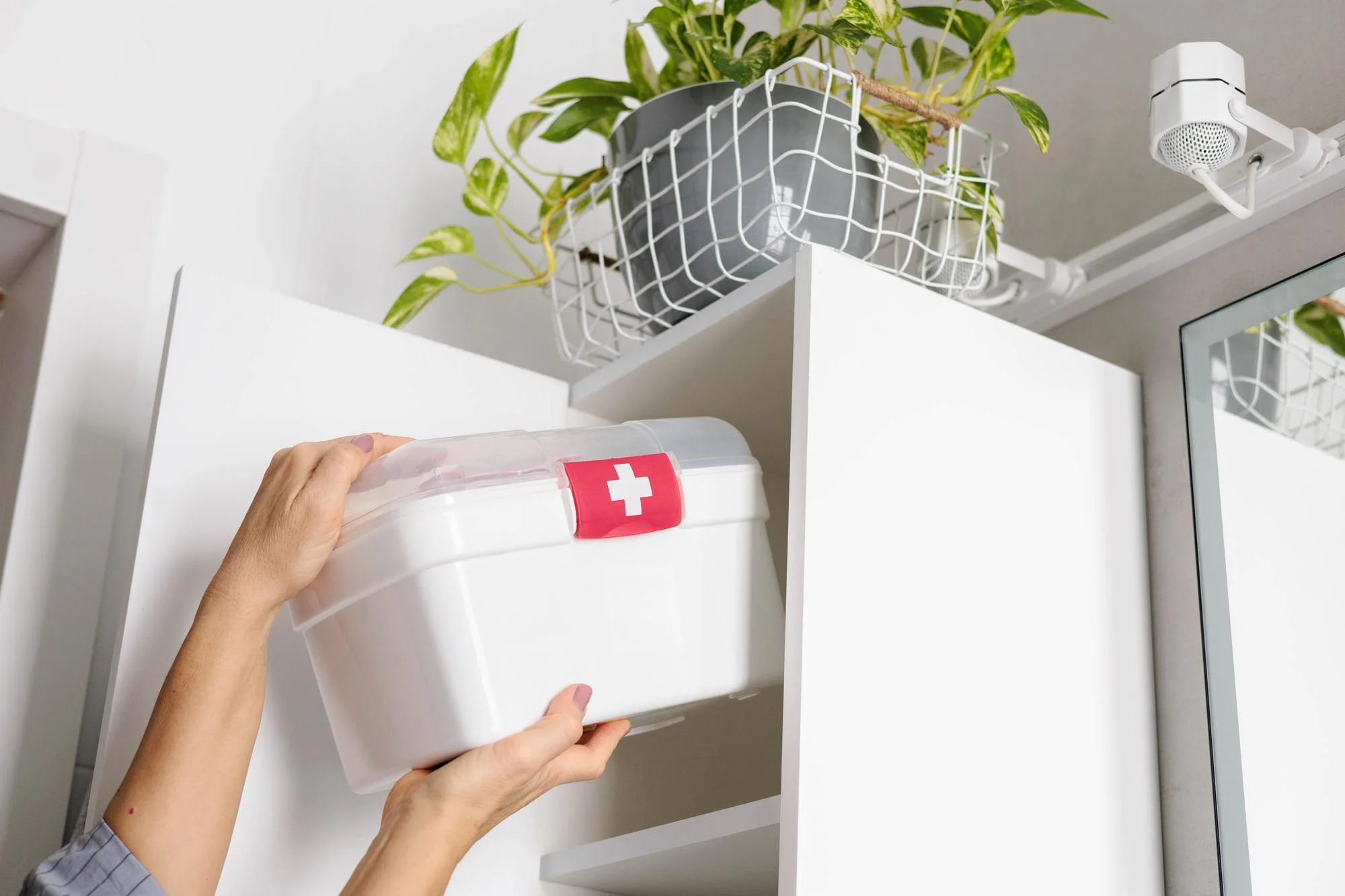
DEA’s “Secure Your Meds” guidance advises keeping prescription medications safe, secure and out of reach of children and others in the household. For controlled prescriptions, a locked cabinet, lock box, locking medication bag or another secure storage product can make access more deliberate.
Choose a location that is practical for the person who is supposed to use the medication but not obvious or easy for others to access. Avoid leaving controlled prescriptions loose in purses, backpacks, guest-room drawers, vehicle consoles or other places where they can be taken without notice.
- Keep the pharmacy label with the medication.
The label identifies the patient, medication, strength, directions and dispensing information that may be needed if a question comes up.
- Limit who can access the storage location.
Access should be based on who actually needs to handle the prescription, not simply who knows where medicines are kept.
- Keep travel storage deliberate too.
When leaving home, keep the medication with the person responsible for it and avoid unattended bags or containers that make access easier.
Keep Track of the Quantity Without Changing the Prescription
DEA educational materials recommend counting controlled prescription pills when they are received and checking periodically so the patient or caregiver knows how much should be present. This is a home-safety check, not a reason to alter how the medication is taken.
Start with the quantity shown on the pharmacy label or receipt. If the prescription is used on a fixed schedule, the remaining amount may be compared with the known dispensing date and documented use. If the prescription is taken only when needed, a simple written record can reduce guesswork.
Do Not Assume a Difference Proves Theft or a Pharmacy Error
An unexpected count can have several explanations, including a partial fill, an earlier dose, a caregiver handoff or a misunderstanding about quantity. Recheck the label and records first, then contact the pharmacy if the quantity dispensed or prescription record needs clarification.
What Families Should Not Do With Controlled Medications
Controlled medications carry additional misuse and diversion concerns. A few boundaries are especially important in a household setting.
- Do not share a controlled prescription with a relative, friend or guest, even if the person reports similar symptoms.
- Do not change the dose or take extra medication to make the remaining count match an expectation.
- Do not leave unused controlled medication in an unsecured, commonly accessed cabinet simply because it has not expired yet.
- Do not improvise a disposal method when an authorized take-back or mail-back option is available.
- Do not mix multiple family members’ prescriptions into one unlabeled container for convenience.
- Do not wait for a routine refill question if someone may have taken a medication that was not prescribed for them.
Controlled Medication Question
Not Sure What the Label or Quantity Means?
Las Palmas Pharmacy can review dispensing information in its records, including the medication label, quantity dispensed, refill status and practical storage or disposal questions.
Use California Take-Back Options for Unused or Expired Medication
The California State Board of Pharmacy maintains a statewide search tool for pharmacies with registered drug-collection receptacles and mail-back envelopes. The Board’s locator also links to DEA disposal locations and other California disposal resources.
For most families, an authorized take-back location or mail-back program is the clearest first choice because the medication can leave the home without creating a new storage problem. Before using a collection site, check what that location accepts. Sharps and needles require separate disposal and should not be placed in a medication collection bin unless the program specifically says otherwise.
- Identify what is no longer needed.
Separate expired, discontinued or unwanted medication from the prescriptions that are still actively being used.
- Use the California Board locator.
Search for registered collection bins or mail-back options and confirm the site’s instructions before going.
- Keep medication secured until disposal.
Unused medication can still be misused or accidentally taken, so continue secure storage until it is actually transferred to an authorized disposal option.
- Ask before using another disposal method.
If take-back is not readily available, contact a pharmacist or follow the medication’s official disposal instructions rather than guessing.
If a Count Looks Wrong, Separate the Immediate Safety Question From the Record Question
If medication seems to be missing, first make sure the count is based on the correct bottle, dispensing date, quantity and documented use. Check whether the prescription was partially filled or whether an authorized caregiver handled a dose.
If the pharmacy quantity or dispensing record is unclear, call the dispensing pharmacy. If someone may have taken the medication accidentally or without authorization, treat that as a possible exposure rather than only an inventory problem. Poison Control provides free, confidential help at 1-800-222-1222. If the person collapses, has a seizure, has trouble breathing or cannot be awakened, call 911 immediately.
Six Questions Families Can Ask About Controlled-Medication Safety
- What quantity was dispensed on this fill, and does the pharmacy record show a partial fill?
- What information on the label should I use when I check the medication at home?
- Does this medication have any specific storage instructions beyond keeping it secure?
- Where can I find an authorized take-back bin or mail-back option in California?
- What should I do if the remaining quantity does not match what I expected?
- Which questions can the pharmacy answer, and which ones require the prescriber?
Frequently Asked Questions
Should controlled medications be locked up at home?
DEA safety guidance encourages secure storage and limiting access to prescription medications. For controlled prescriptions, a lock box, locking cabinet, locking medication bag or another secure storage option can help keep the medication away from children, visitors and others who should not have access.
Why would a family count controlled medication at home?
Keeping track of the quantity can help the patient or caregiver notice an unexpected difference sooner. DEA educational guidance has advised counting pills when they are received and checking periodically. Counting is a safety practice; it does not change the prescribed dose or schedule.
What should I do if the pill count does not match what I expected?
Recheck the pharmacy label, quantity dispensed, dispensing date and documented doses before assuming what happened. If the dispensing record is unclear, contact the pharmacy. If someone may have taken the medication without authorization, use Poison Control or emergency services as appropriate.
Can I give a controlled prescription to a family member who has similar symptoms?
No. A controlled prescription is prescribed for a specific patient and should not be shared. The other person should contact an appropriate clinician for their own evaluation rather than using someone else’s prescription.
Where can California families dispose of unused controlled medication?
The California State Board of Pharmacy provides a search tool for registered medication collection bins and mail-back options. The Board’s page also links to DEA disposal-location searches. Confirm what a collection site accepts before bringing medication.
Can I put syringes or needles into a medication take-back bin?
Do not assume a medication collection receptacle accepts sharps. The California Board of Pharmacy’s disposal locator directs consumers to separate sharps-disposal resources. Use an approved sharps container and follow the applicable sharps-disposal instructions.
Make Controlled-Medication Safety a Household Routine
Secure access, know what was dispensed, keep track of what remains, and remove medication that is no longer needed through an authorized disposal option. Las Palmas Pharmacy can help with label, quantity, refill and pharmacy-record questions.