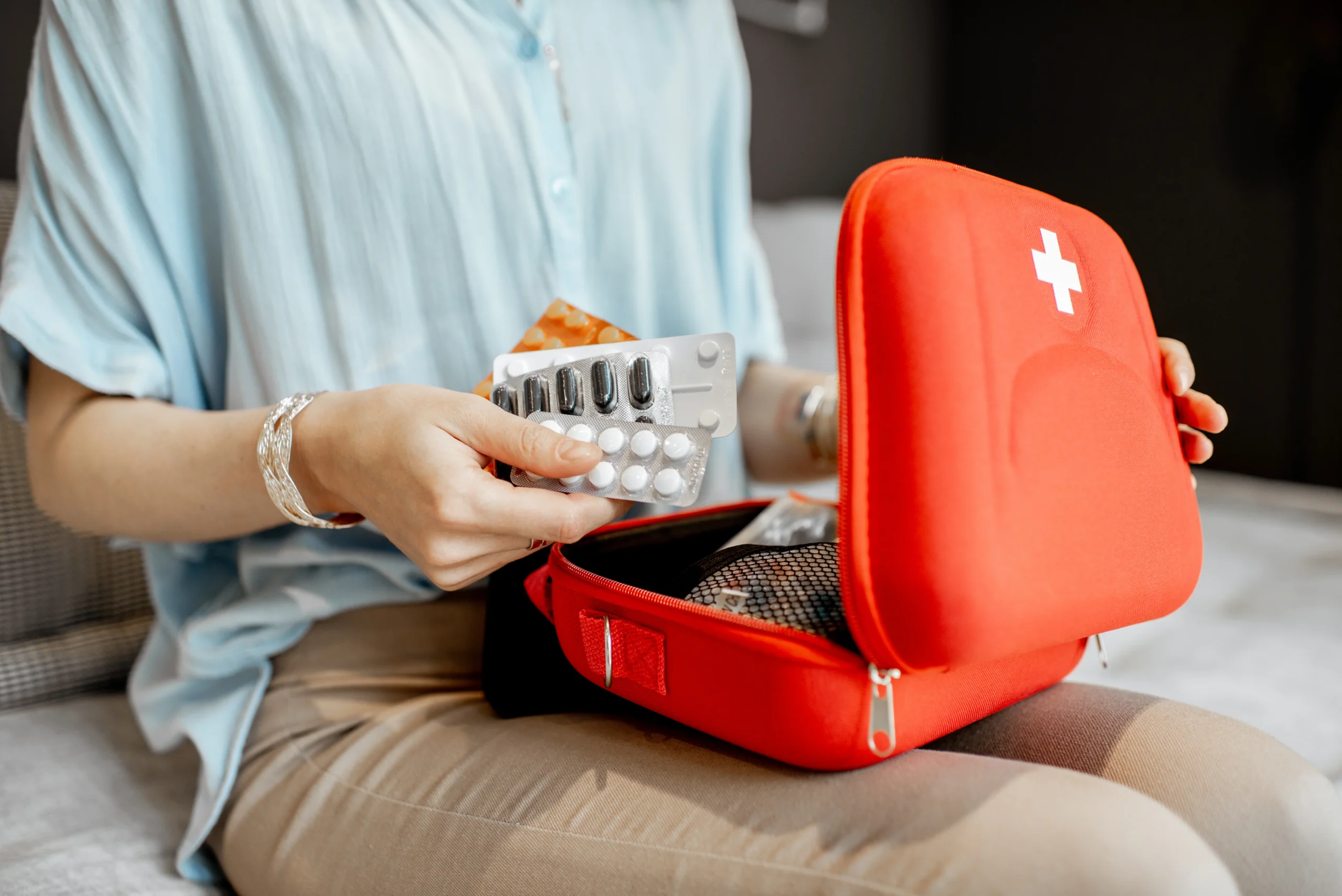
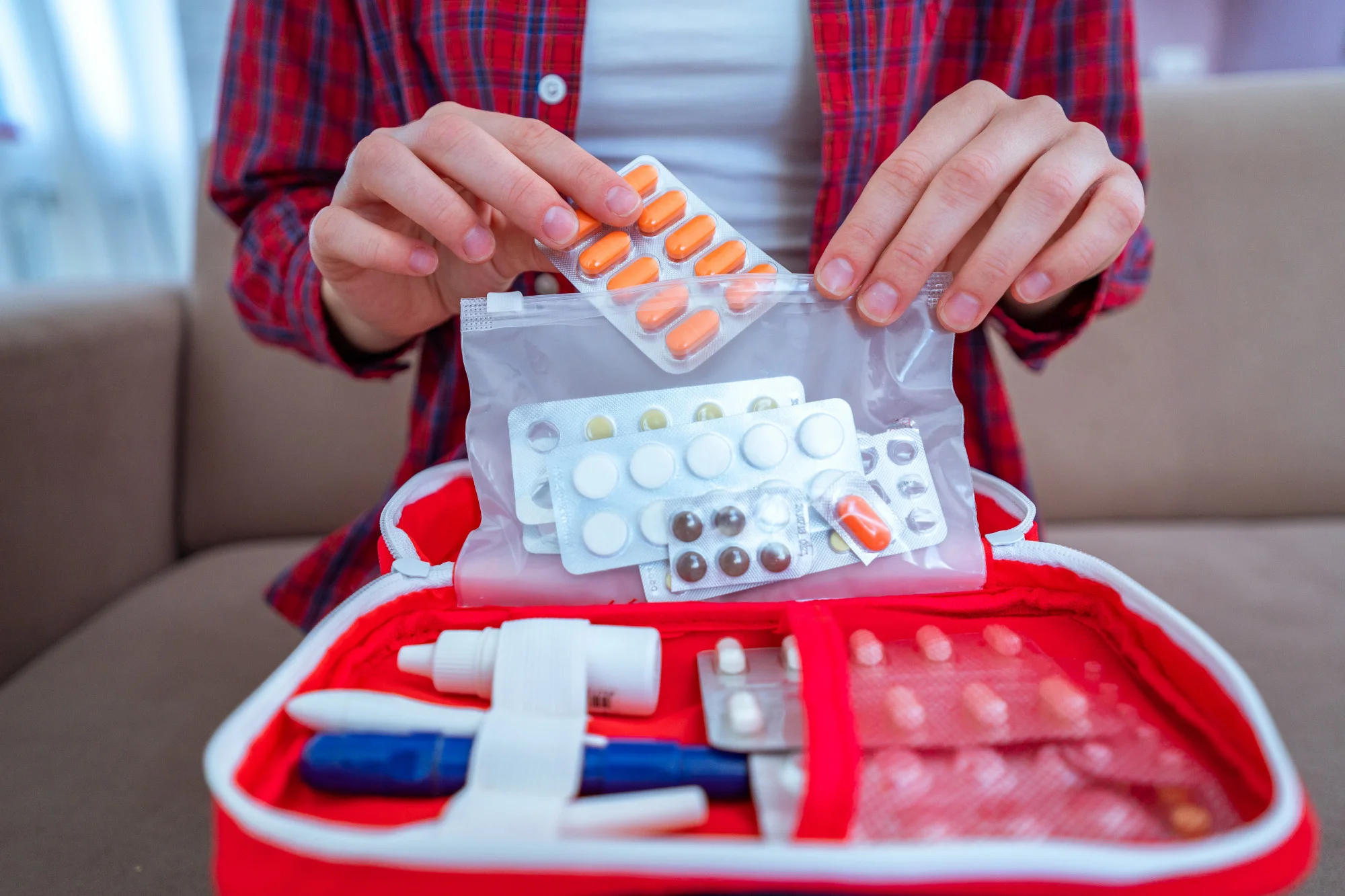
Winter storms can interrupt electricity with little notice. If a household depends on refrigerated medicine or powered medical equipment, the safest time to decide what to do is before the lights go out.
California power outages are not only a summer problem. Cal OES has warned during winter-storm preparedness that strong weather can cause downed lines and loss of electricity. For a household using insulin, certain liquid medicines, biologics or other temperature-sensitive products, the plan needs to cover the medication as well as flashlights and phone chargers.
Quick Answer
Make a list of every medicine or device in the home that depends on refrigeration, electricity or charged batteries. Ask the pharmacist or prescriber how long each medication can remain outside its labeled storage range and what backup method is appropriate. Keep a cooler and cold packs available when recommended, but do not freeze a product unless its instructions allow it. If power is lost long enough that storage conditions are uncertain, contact the pharmacist, prescriber or manufacturer before using or discarding the medication.
Winter Storms Can Disrupt Power and Medication Storage
Cal OES winter preparedness guidance tells Californians to have alternate plans for refrigerating medicines and operating power-dependent medical devices. A power outage may last a few hours or longer depending on storm damage, access and utility conditions.
The important distinction is that household food-refrigerator rules are not automatically medication rules. A medication may have its own temperature range, excursion limits and replacement instructions. Use the medicine’s labeling and product-specific professional guidance.
Identify Every Medication or Device That Needs Extra Planning
Start with the current medication list and mark products that are stored in the refrigerator, require temperature protection during transport, are administered through powered equipment or depend on charged accessories. Do not rely on memory during an outage.
- Refrigerated medicine
- Confirm labeled storage range and what temperature excursion is allowed.
- Insulin or other life-sustaining medicine
- Ask in advance what to do if refrigeration is interrupted and replacement is not immediately available.
- Powered medication device
- Plan batteries, charging and an alternate location with power when applicable.
- Cold packs/cooler
- Know whether the product can touch ice packs or whether freezing could damage it.
Build the Backup Plan Before the Forecast Gets Worse
Cal OES recommends discussing a power-outage plan for refrigerated medicines and power-dependent medical devices with health professionals. It also recommends keeping emergency contacts, medication information and backup supplies ready.
Write down storage instructions
Keep the pharmacy label and product information with the emergency plan.
Have a cooler available
Keep an appropriate insulated container and cold packs ready if the product guidance supports that method..
Know the backup location
Identify a family member, community location or other safe place with reliable power if the outage lasts.
Charge needed equipment
Keep battery-powered medical devices and backup batteries charged.
Save pharmacy and prescriber numbers
Do not depend on internet access during the outage.
Sign up for local alerts
Use county and utility alerts so the household has as much warning as possible.
During the Outage, Protect the Medication Without Improvising
FDA advises that temperature-sensitive drugs can lose potency if they are not kept within required conditions. The agency specifically notes that if refrigeration has been lost for a long time, replacement may be needed, while some life-sustaining medicines may sometimes need to be used until a new supply is available. Those decisions should be based on product-specific guidance.
Do not put every refrigerated medicine directly on ice, freeze it to “make it last,” or move it between hot and cold locations without checking instructions. Keep track of when the outage started and any measured refrigerator or cooler temperature if available.
Record the Time and Conditions
If you later need to call the pharmacist or manufacturer, knowing approximately how long the medication was outside normal storage and the temperature conditions can make the discussion more useful.
Six Questions to Resolve Before a Winter Outage
- Which medicines in this home require refrigeration or temperature protection?
- How long can each product be outside its normal storage range?
- Can it be placed in a cooler, and can it touch an ice pack?
- What should we do if the product freezes?
- Who do we call after a prolonged outage to decide whether it needs replacement?
- What backup power or alternate location is needed for medication devices?
Storage Plan
Ask before the outage, not after.
Las Palmas Pharmacy can clarify labeled storage information for prescriptions it dispenses and help identify when manufacturer- or prescriber-specific guidance is needed.
After Power Returns, Do Not Judge a Medication Only by Appearance
A medication can look unchanged even when temperature exposure matters. FDA recommends replacing temperature-sensitive drugs when required and contacting a pharmacist, health care provider or manufacturer when the safety or effectiveness of a specific product is uncertain.
If a medication was wet, contaminated, frozen unexpectedly or stored outside its allowed range, contact the appropriate professional before using it. If the medicine is critical for life and a replacement is not immediately available, seek prompt product-specific medical or pharmacy guidance rather than simply discarding the only supply.
Frequently Asked Questions
How long can refrigerated medicine stay safe during a power outage?
There is no single time limit that applies to every medication. The answer depends on the product’s labeled storage range and its allowed temperature excursions. Ask the pharmacist, prescriber or manufacturer about the specific product.
Should I put refrigerated medicine directly on ice?
Not automatically. Some medicines can be damaged by freezing. Use the product-specific storage instructions and ask whether a barrier or particular cooler setup is needed.
What information should I record during an outage?
Write down when the power went out, when the medication was moved, the storage method used and any temperature readings available. That information can help a pharmacist or manufacturer assess the situation.
What does FDA say about refrigerated drugs after a long outage?
FDA says temperature-sensitive drugs may lose potency when not refrigerated and should generally be replaced as soon as possible after prolonged loss of refrigeration. For a life-sustaining medicine, product-specific guidance may allow temporary use until replacement is available.
Should I discard insulin immediately if the power goes out?
Do not use a blanket rule. Insulin products have specific storage and room-temperature limits. Follow the product labeling and contact a pharmacist, prescriber or manufacturer if the storage history is uncertain.
How can Californians prepare for outages before winter storms?
Cal OES recommends planning for refrigerated medicines and power-dependent devices, keeping emergency contacts and supplies ready, charging backup batteries and signing up for local emergency and utility alerts.
Make the Medication Backup Plan Part of Winter Preparedness
Know which prescriptions rely on refrigeration, what backup method is appropriate and who to call after a long outage. Las Palmas Pharmacy can help clarify storage instructions for prescriptions it dispenses.