Naloxone needs to be easy to reach in an emergency, but California summer heat can make a parked car a poor long-term storage space. A simple temperature plan can keep access and storage safety from working against each other.
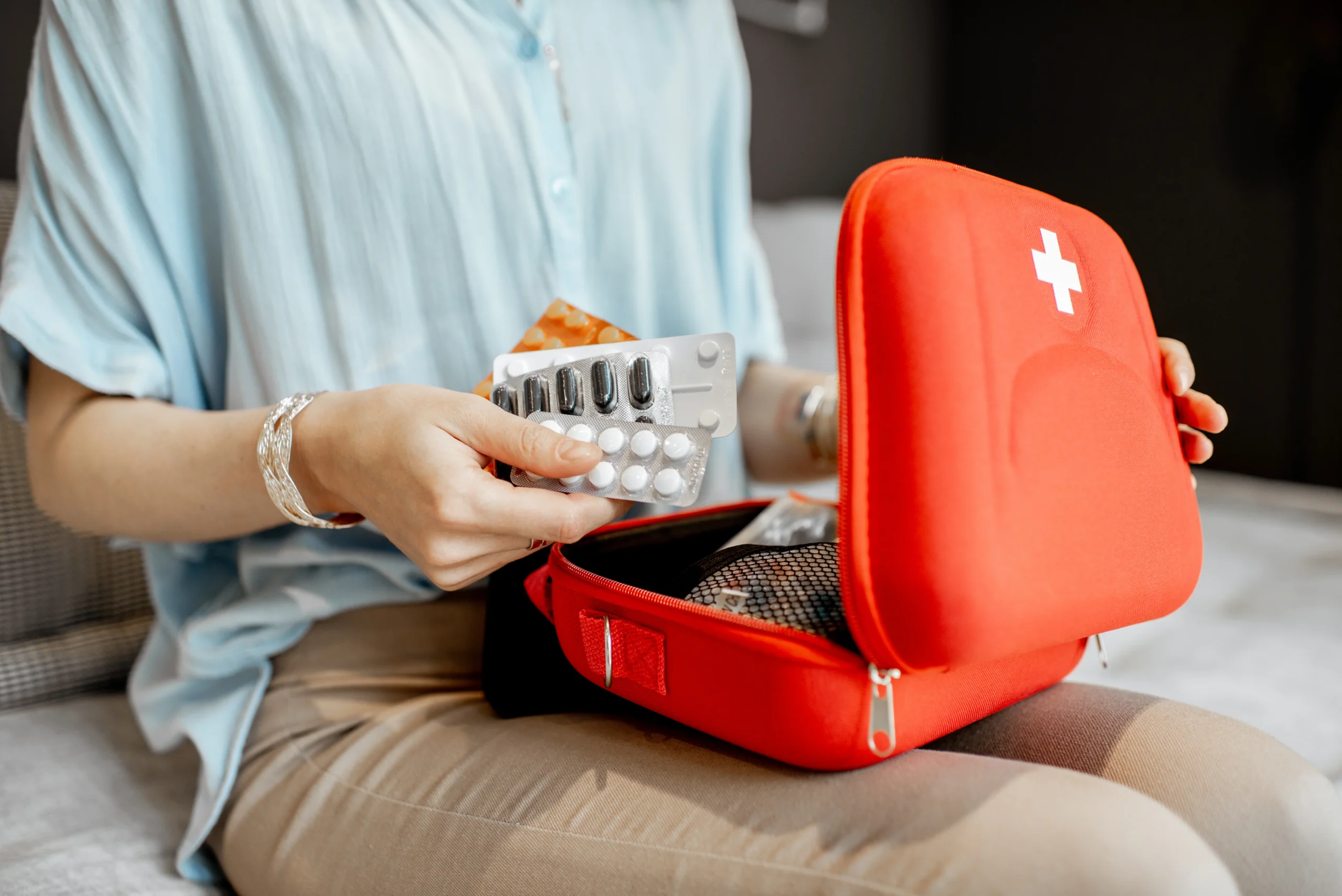
Naloxone only helps if someone can reach it quickly, so many Californians keep it in a bag, backpack, vehicle, workplace kit, or home emergency supply. Hot weather adds a second question: can the chosen location stay within the product’s storage range?
California Department of Public Health guidance says naloxone should be stored according to the manufacturer’s instructions, kept in its box until use, protected from light, stored below 77°F, and not frozen or exposed to heat above 104°F. That makes summer planning especially important for doses kept in or transported through a vehicle.
Quick Answer
Keep naloxone accessible, but do not treat a parked vehicle as dependable room-temperature storage. CDPH says to store naloxone below 77°F, protect it from light, keep it in its box, and avoid freezing or heat above 104°F. Manufacturer instructions can differ by product, so check the exact package. If a dose may have been overheated, note how long and where it was stored, keep the package available, and ask a pharmacist or the manufacturer whether replacement is needed. If an opioid overdose is suspected, do not delay the emergency response to research storage history: CDPH says give naloxone and call 911.
Hot Weather Creates an Access-versus-Storage Problem
The best emergency medication is one people can actually find. That is why naloxone is often kept near the places where a household spends time. The problem is that California summer conditions can push some convenient locations outside the labeled storage range.
National Weather Service guidance notes that temperatures inside a parked vehicle can rise rapidly even on mild days. Because CDPH says naloxone should not be exposed to heat above 104°F, a glove box, center console, trunk, or parked-car emergency kit should not be assumed to stay within the required range.
Check the Exact Naloxone Product Before Using a Generic Storage Rule
CDPH specifically says manufacturer storage instructions may be different. Naloxone can come in different formulations and packages, so the box or product insert should be the first reference for the dose you actually have.
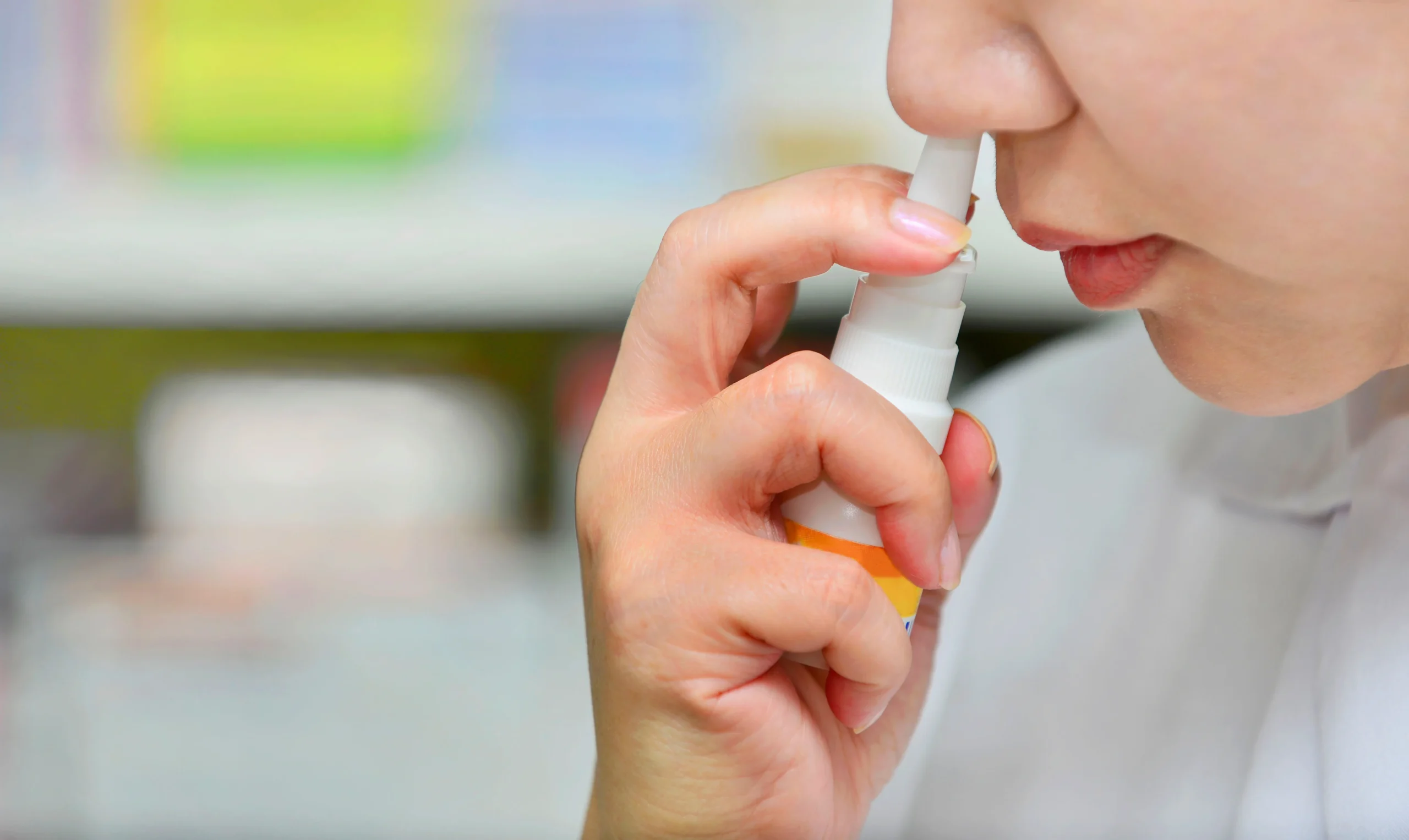
For example, current NARCAN nasal spray labeling available through DailyMed says to store below 77°F, allows excursions up to 104°F, warns against freezing or excessive heat above 104°F, and says to protect the product from light. Other naloxone products may use different wording or ranges, which is why the exact package matters.
At Home, Pick a Cool Location That People Can Find Quickly
A home storage plan should answer two questions at once: is the naloxone within its labeled temperature range, and do the people who may need it know exactly where it is?
- Keep the naloxone in its original box or protective packaging until it is needed.
- Choose a location away from direct sunlight, hot windows, ovens, heaters, garages, and other places that can become unusually warm.
- Do not freeze naloxone. Do not place it on ice or in a freezer as a hot-weather workaround unless the exact manufacturer instructions support a specific cooling method.
- Tell household members or trusted caregivers where the naloxone is stored so they do not have to search during an overdose emergency.
- Check the expiration date and packaging condition periodically and arrange replacement before the supply becomes unusable or unavailable.
If the home routinely becomes hotter than the product’s labeled range during summer, ask the pharmacist or manufacturer about a product-specific storage plan rather than improvising with refrigeration, ice packs, or repeated hot-to-cold cycling.
A Parked Car Is Not a Reliable Room-Temperature Storage Space
Keeping naloxone near a vehicle can make sense for access, but the storage routine needs to account for what happens after the engine and air conditioning turn off. National Weather Service data show that a parked vehicle can heat rapidly, and cracking the windows does not prevent the temperature from climbing.
That means a dose left in the car all afternoon may experience conditions very different from the outside forecast. Instead of assuming the glove box or trunk is safe, use the product’s labeled temperature limits as the decision point.
- Know where the naloxone is during the trip.
Keep it accessible rather than buried under luggage or placed where another passenger cannot find it.
- Do not rely on a parked vehicle for long-term storage.
If the vehicle will sit in the sun or heat, move the naloxone to a location that can stay within the product’s labeled range.
- Keep it out of direct sunlight.
CDPH advises protecting naloxone from light, so leave it in its box and avoid dashboards or exposed seats.
- Do not improvise with freezing.
A cooler can create its own risk if the device touches ice or freezes. Ask before using a cold-pack setup.
- Have a replacement route.
Know which pharmacy, program, or other legitimate source you would use if a dose is lost, damaged, expired, or stored outside its allowed range.
If Naloxone May Have Been Overheated, Preserve the Details Before You Guess
A box that looks normal does not prove that its temperature history was acceptable. If naloxone was left in a hot car, near a sunny window, or in another high-heat location, write down the approximate time, location, and conditions while they are still easy to remember.
Keep the box and device available. Check the expiration date, product name, manufacturer information, and whether the package is torn, open, warped, or otherwise damaged. Then ask a pharmacist or the manufacturer whether the storage exposure calls for replacement.
Heat Exposure Check
Bring the Exact Product Details to the Pharmacy
Las Palmas Pharmacy can help review labeled storage information, expiration dates, package condition, and replacement questions for pharmacy-supplied naloxone.
During a Suspected Overdose, Emergency Response Comes Before Storage Research
CDPH says that if an opioid overdose is suspected, give naloxone and call 911. The agency lists slow, weak, or absent breathing; inability to wake; choking or gurgling sounds; a limp body; and discolored lips or nails among possible overdose signs.
If the only naloxone available has an uncertain storage history, do not spend emergency minutes searching online for temperature records while the person is unresponsive or not breathing normally. Follow the overdose-response instructions on the product and CDPH emergency guidance, call 911, and stay with the person until responders arrive.
After the emergency, replace any used dose and review the remaining supply so the next dose is stored within the manufacturer’s instructions.
Frequently Asked Questions
Can I leave naloxone in my car during a California summer?
A parked car should not be treated as dependable room-temperature storage. CDPH says naloxone should be stored below 77°F and not exposed to heat above 104°F. National Weather Service guidance shows that parked vehicles can heat rapidly, even when outside temperatures seem moderate. Check the exact product instructions and use a storage routine that keeps the dose within its labeled range.
What temperature does CDPH recommend for naloxone storage?
CDPH says to follow the manufacturer’s instructions, keep naloxone in its box, protect it from light, store it at room temperature below 77°F, and do not freeze it or expose it to heat above 104°F. Because products can differ, verify the exact package you have.
What should I do if naloxone was left in a hot car?
Keep the product and box, note approximately how long it was in the vehicle and the conditions, and check the exact storage instructions. Contact a pharmacist or the manufacturer to determine whether replacement is appropriate. Do not rely on appearance alone to decide that the product is unaffected.
Should I put naloxone in the refrigerator or on ice during hot weather?
Do not use a blanket cooling rule. CDPH says manufacturer instructions may differ, and naloxone should not be frozen. Some products have specific permitted temperature ranges. Ask about the exact product before placing it in a refrigerator, cooler, or against an ice pack.
Is expired naloxone completely useless?
CDPH states that expired naloxone is better than no naloxone when it has been properly stored, but the agency also advises replacing naloxone before the expiration date. Keep an in-date supply available whenever possible and ask about replacement options before the current supply expires.
What if an overdose happens and the only naloxone may have been exposed to heat?
Do not delay the overdose response while researching storage history. CDPH says to give naloxone and call 911 when an opioid overdose is suspected. Follow the product instructions and stay with the person until emergency responders arrive. Afterward, replace the used or questionable supply and review the storage plan.
Keep Naloxone Close Without Letting Summer Heat Become the Storage Plan
Check the exact box, temperature range, expiration date, and usual storage location before the hottest part of summer. Las Palmas Pharmacy can clarify pharmacy-supplied naloxone labels, storage information, replacement questions, and medication records.