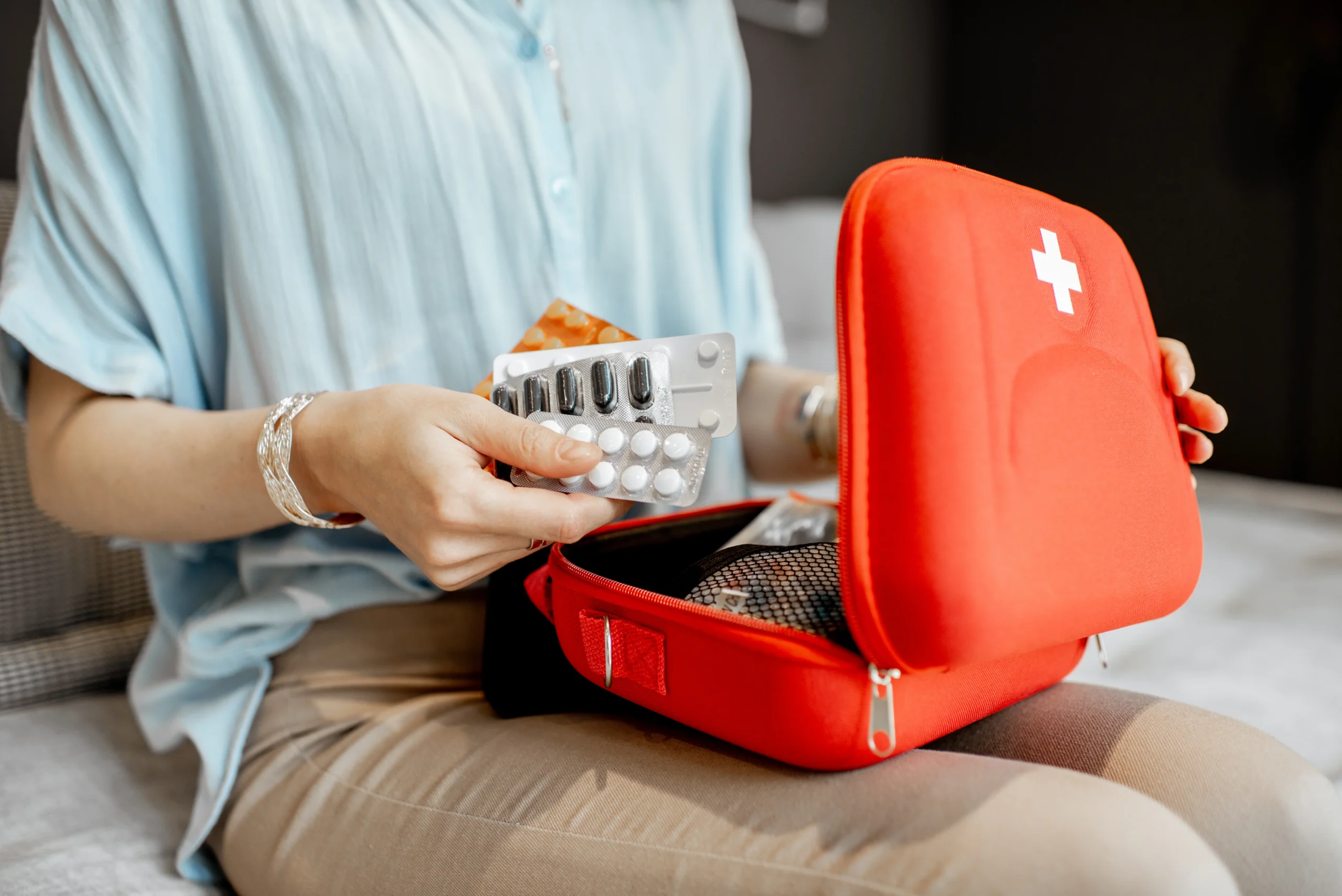
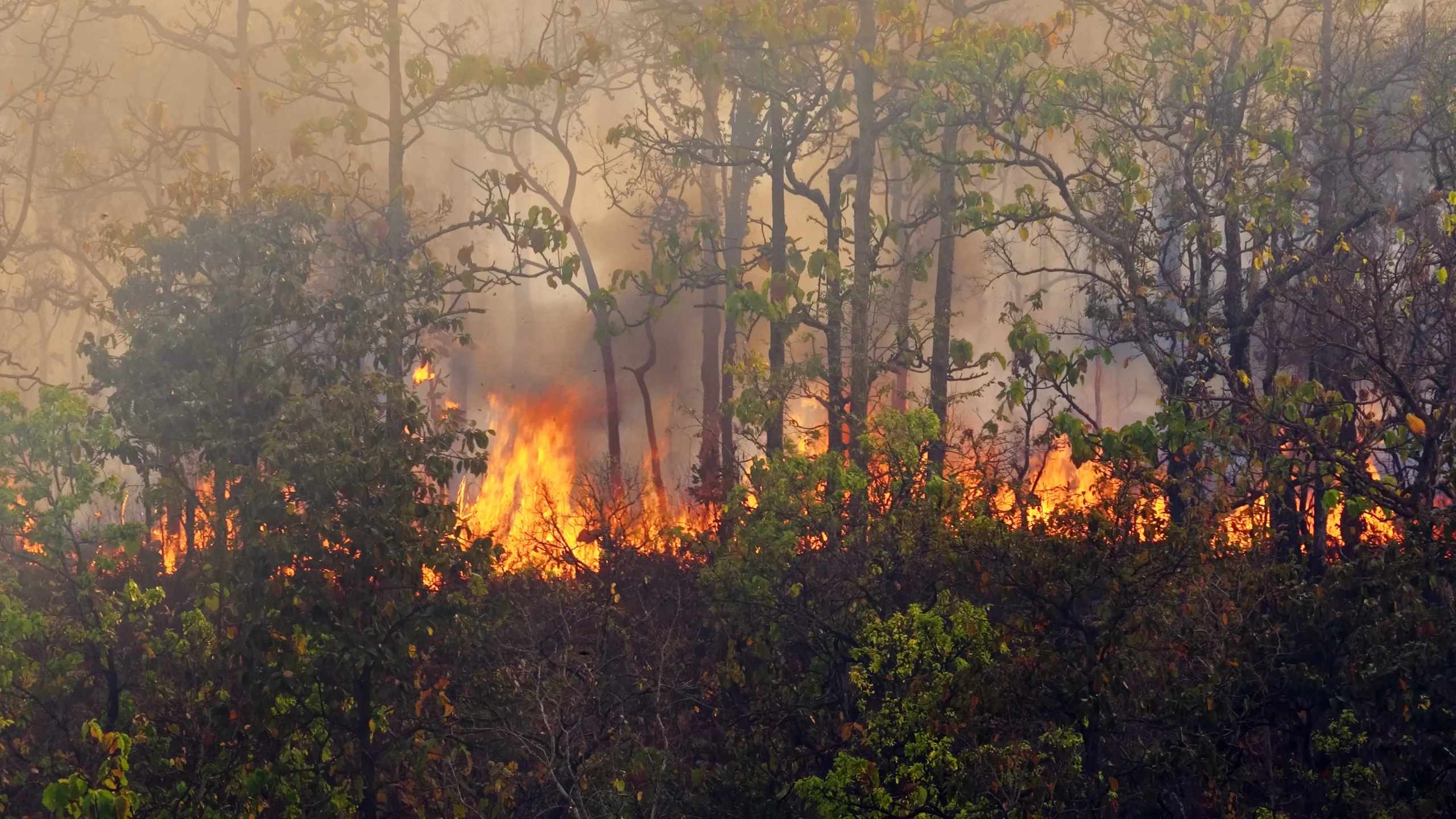
Wildfire smoke can aggravate asthma, COPD and other heart or lung conditions. For households that rely on respiratory prescriptions, late-summer preparation means keeping current medicines available, maintaining a seven-day emergency supply when permitted, and knowing what to do if smoke worsens symptoms or evacuation becomes necessary.
Wildfire smoke contains fine particles and gases that can irritate the lungs and affect the heart. CDPH identifies older adults and people with asthma, COPD, heart disease and other chronic conditions as groups that can be more vulnerable when smoke levels rise.
For a household managing respiratory prescriptions, preparation should happen before the air turns smoky. The goal is not to increase medication use in advance. It is to make sure prescribed medicines are current, refill questions are identified early, the emergency supply is organized, and the family knows which clinician to contact if breathing problems worsen.
Quick Answer
CDPH advises people with asthma or another lung disease to keep at least a seven-day supply of medication on hand during wildfire smoke events, and its smoke-readiness guidance recommends keeping a 7- to 10-day medication supply available. Use seven days as a preparedness target, not as a guarantee of an early refill. Check each respiratory prescription before wildfire smoke becomes severe, keep copies of prescriptions and medical contacts with the emergency kit, and follow the person’s existing asthma or COPD action plan. Do not increase inhaler use, restart old medication, borrow someone else’s prescription or change treatment because smoke is nearby unless the person’s clinician-directed plan says to do so.
Why Wildfire Smoke Changes Medication Planning
Wildfire smoke can cause coughing, wheezing, chest tightness, eye irritation, reduced lung function and difficulty breathing. CDPH notes that short-term smoke exposure can aggravate existing heart and lung disease, including asthma and COPD.
The medication-planning response is to follow the clinician’s existing directions and make sure prescribed products are available. It is not to change doses or frequency preemptively because the AQI rises.
Build a Seven-Day Respiratory Medication Supply Before Smoke Is Heavy
CDPH’s wildfire-smoke messaging specifically says people with asthma or another lung disease should keep at least a seven-day supply of medication on hand. The state’s newer Get Smoke Ready guidance expands that preparedness range to 7–10 days.
- Check the current quantity
Count how much prescribed medication remains using the pharmacy label and current dosing directions rather than estimating from memory.
- Confirm authorized refills
Ask the pharmacy whether refills remain and when the next fill is expected to process under the prescription and coverage on file.
- Include the complete respiratory regimen
Check prescribed maintenance inhalers, rescue medicines, nebulizer prescriptions and other respiratory medicines that are part of the current plan.
- Resolve gaps before the smoke event
If no refills remain or the prescription is outdated, contact the prescriber early enough to address the issue before the supply becomes short.
Keep One Emergency Prescription Packet With the Supply
CDPH advises Californians to prepare an emergency kit that includes medications, copies of prescriptions and medical supplies. A small prescription packet helps a caregiver answer questions quickly if the household has to leave home.
What is the exact medication name, strength, dosage form and current direction?
Which pharmacy currently fills the prescription?
Which prescriber or clinic manages the respiratory condition?
Where is the insurance or Medi-Cal information stored?
Does the person use a spacer, nebulizer, oxygen-related equipment or another prescribed medical supply?
Where is the current asthma or COPD action plan kept?
Keep the packet with the emergency medication supply or in another place the household can grab quickly. Do not place sensitive medical details in an unsecured public location.
Plan for Smoky Days Before Symptoms Worsen
CDPH recommends preparing for smoke by identifying cleaner indoor spaces, monitoring local air quality and following existing asthma or COPD action plans. Its Get Smoke Ready guidance also recommends keeping a 7- to 10-day medication supply available.
A well-fitting N95 or P100 can reduce particle exposure outdoors, but CDPH cautions that respirators can make breathing harder. People with heart or lung problems should ask their doctor about respirator use rather than assuming it is appropriate for them.
Do not change inhaler frequency, nebulizer frequency, oxygen settings or other treatment parameters solely because smoke is present unless those changes are already part of the person’s clinician-directed action plan.
If Evacuation Becomes Necessary, Keep Respiratory Prescriptions With the Person
CDPH’s wildfire preparedness guidance includes prescriptions among the items people should take during an evacuation. Keep medication, copies of prescriptions and necessary medical supplies together so they do not get separated during a hurried departure.
- Take the current medications
Use the original labeled containers when practical so another pharmacy or healthcare professional can identify the prescription accurately.
- Take the prescription packet
Bring the medication list, prescriber contact, pharmacy contact and insurance information with the emergency supply.
- Protect temperature-sensitive products
Follow the specific storage instructions for the medication or device during transport; do not automatically freeze or place it directly on ice.
- Confirm the next refill route early
If displacement will continue, contact the pharmacy before the supply becomes short and ask what prescription, transfer or insurer steps are needed.
A Five-Minute Caregiver Readiness Check
Before the next smoke event, a caregiver can confirm that the plan works without changing the treatment itself.
- Open the emergency medication bag
Confirm the prescribed respiratory medicines that belong there are present and within their labeled expiration dates.
- Read the current labels
Make sure the medication list matches the latest strengths and directions rather than an older prescription.
- Check the supply target
Identify whether at least seven days are available under the current prescribed use, and contact the pharmacy if refill planning is needed.
- Locate the action plan and contacts
The caregiver should know where the asthma or COPD plan, pharmacy number, prescriber number and insurance information are stored.
- Know the emergency threshold
Severe breathing difficulty, chest pain, blue or gray lips, confusion, fainting or other emergency symptoms require urgent or emergency medical care.
The purpose of the review is readiness: current prescriptions, enough time to solve refill problems, clear records and an established clinical plan if smoke worsens the person’s condition.
Frequently Asked Questions
How much respiratory medication should someone with asthma or another lung disease keep for wildfire smoke?
CDPH advises keeping at least a seven-day supply on hand, and its Get Smoke Ready guidance recommends a 7- to 10-day supply. Actual refill timing still depends on the prescription, insurer and medication-specific rules.
Does wildfire smoke mean I should use my inhaler more often?
Not automatically. Follow the prescribed directions and the person’s existing asthma or COPD action plan. If symptoms worsen or the plan no longer controls them, contact the healthcare provider promptly.
What should go in a wildfire prescription packet?
Include a current medication list, copies or details of prescriptions, pharmacy and prescriber contacts, insurance information, and information about prescribed medical supplies or devices.
Can an evacuation automatically qualify me for an early refill?
No. Emergency and early-refill options can depend on the medication, prescription, insurer, declared emergency status, pharmacist judgment and other requirements. Ask the pharmacy what applies to the specific prescription.
Should respiratory medicines stay in their original containers during evacuation?
When practical, keeping medicines in original labeled containers helps preserve the medication name, strength, directions and pharmacy information. Storage-sensitive products should also be handled according to their product-specific instructions.
When should wildfire-smoke breathing problems be treated as urgent?
If breathing problems are worsening, contact the healthcare provider promptly. Severe shortness of breath, chest pain, fainting, confusion, blue or gray lips or other emergency symptoms require urgent or emergency medical care.
Keep the Prescription Plan Ready Before the Smoke Arrives
A seven-day respiratory medication supply, current prescription records and a known clinical action plan can reduce last-minute problems during wildfire smoke or evacuation. Prepare the access plan in advance without changing the prescribed treatment on your own.