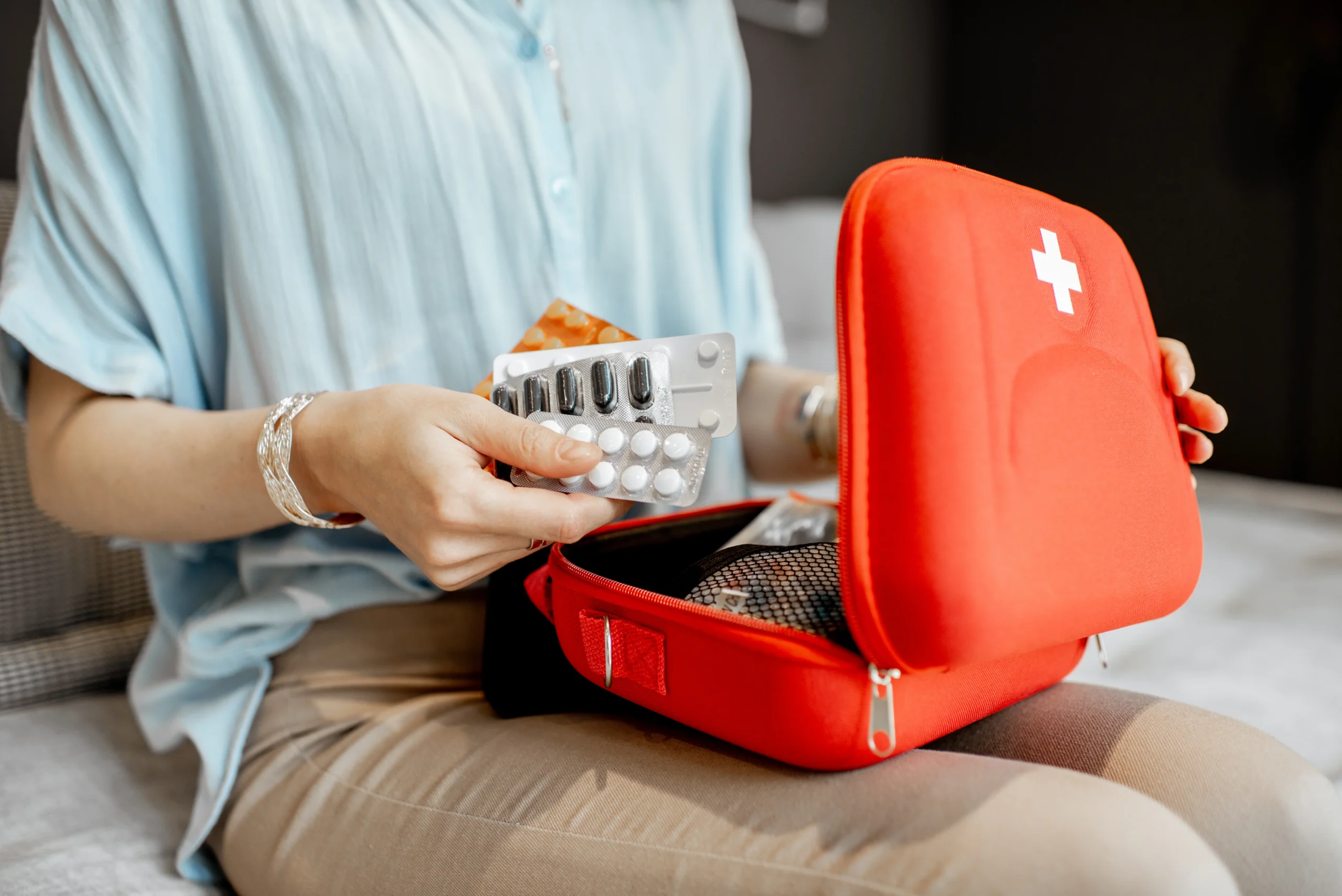

Older adults can be more vulnerable when temperatures rise, and some prescription or over-the-counter medicines can add to that risk. A medication review before hot weather can help clarify what to watch, how to store medicines, and whom to call with questions.
Warm spring days can arrive quickly in many parts of California. For an older adult, the concern is not only the outdoor temperature. Age-related changes, chronic conditions, limited access to cooling, dehydration, and certain medicines can overlap and make it harder for the body to respond to heat.
That does not mean a medicine is unsafe or should be stopped when the forecast rises. It means the medication list should be part of hot-weather planning, especially for an older person taking several prescriptions or medicines that affect sweating, thirst, blood pressure, alertness, or fluid balance.
Quick Answer
Older adults can have more difficulty regulating body temperature, and some medicines may add to heat-related risk. CDPH lists examples that include diuretics, beta blockers, antidepressants, antipsychotics, and anticholinergics. CDC also notes that heat can interact with prescription and over-the-counter medicines through dehydration, reduced sweating, altered thirst, blood-pressure effects, or other mechanisms. Do not stop, skip, stretch, or change a medicine because of hot weather on your own. Before hotter days, review the medication list with the prescriber or pharmacist, confirm storage instructions, plan for refills and refrigerated products, and know which symptoms require urgent medical care.
Why Rising Heat Deserves Extra Planning for Older Adults
The National Institute on Aging explains that older adults do not adjust to sudden temperature changes as well as younger people. They are also more likely to have chronic health conditions and to take medicines that can affect the body’s ability to control temperature or sweat.
California Department of Public Health heat guidance similarly identifies older adults as a group that can face greater heat-related illness risk. Medication effects are only one part of that picture; housing, access to air conditioning, mobility, hydration, health conditions, and the intensity and duration of heat all matter.
Age-related changes
Older bodies may have more difficulty adapting quickly to sudden temperature changes.
Multiple health factors
Heart, kidney, lung, circulation, or other health conditions can add to heat risk.
Medication effects
Some medicines can affect sweating, thirst, alertness, blood pressure, or fluid balance.
Medication Groups That May Need Extra Heat Planning
CDPH names several commonly used medication groups that can increase heat-related illness risk in older adults, including diuretics, beta blockers, antidepressants, antipsychotics, and anticholinergics. CDC’s clinician guidance also discusses diuretics, anticholinergic medicines, some psychotropic medicines, and certain medication combinations.
These are broad drug groups, not a list of medicines that every patient should change during heat. Risk can vary by the specific drug, dose, health condition, other medicines, hydration status, and exposure. A clinician familiar with the person’s health history is the right person to decide whether any treatment change is needed.
Do not stop a prescription, skip doses, stretch doses, double later doses, or change timing because a medicine appears on a heat-risk list. CDC advises against abruptly stopping medicines without an individualized plan. Treatment changes belong with the prescribing clinician.
What to Review Before the Next Hot Stretch
A useful heat plan starts before symptoms appear. For an older adult or caregiver, the goal is to make sure the medication list, cooling plan, fluid instructions, and contact information all agree.
- Bring the full medication list.
Include prescriptions, over-the-counter medicines, vitamins, and supplements so the clinician or pharmacist can see the whole list.
- Ask which medicines deserve extra heat attention.
Ask whether any medicine can affect sweating, thirst, alertness, blood pressure, fluid balance, or sun sensitivity.
- Clarify fluid instructions.
If the person has a fluid restriction or heart, kidney, or other condition, follow the clinician’s instructions rather than generic hydration advice.
- Plan who will check in.
For an older adult living alone or with limited mobility, arrange a reliable contact during unusually hot days.
- Write down the action plan.
Keep clinician and pharmacy numbers, cooling options, medication storage directions, and emergency steps where caregivers can find them.
Storage, Refills and Power Outages Matter Too
Heat can affect the medication itself as well as the person taking it. CDC advises clinicians to remind patients not to leave medicines in cars or other places that become excessively hot and to plan for products that require refrigeration or medical devices that depend on electricity.
Use the storage instructions on the prescription label or product information. If a medicine has been left in a hot vehicle, mailbox, direct sun, or another environment outside its labeled storage range, contact the dispensing pharmacy before assuming it is still usable.
Refills
Check refill status before a heat wave, travel period, or possible power shutoff complicates pickup.
Refrigerated products
Know the labeled storage range and have a power-outage plan for medicines requiring refrigeration.
Cars and mailboxes
Avoid leaving medicines where enclosed spaces can become much hotter than the outdoor air.
When Heat Symptoms Need Medical Attention
Heat illness can become serious quickly. NIA lists symptoms such as headache, confusion, dizziness, nausea, weakness, cramps, swelling, and a rapid pulse among signs that can occur with heat-related illness. Severe confusion, fainting, very high body temperature, or other signs of heat stroke require emergency medical attention.
If an older adult becomes ill during heat, move the person to a cooler environment while arranging appropriate medical help. If symptoms are severe, rapidly worsening, or suggest heat stroke, call 911 or seek emergency care. Do not delay emergency care while trying to determine whether a medicine contributed.
Questions to Ask the Pharmacy or Prescriber Before Hot Weather
Do any of these prescriptions or over-the-counter medicines affect sweating, thirst, fluid balance, alertness, blood pressure, or sun sensitivity?
Does this person have a fluid restriction or another condition that changes standard hydration advice?
What storage temperature applies to each prescription, and what should we do after a power outage or heat exposure?
Which symptoms should prompt a same-day call to the clinician, and which are an emergency?
Who should make any medication decision if a hot-weather adjustment is medically appropriate?
Frequently Asked Questions
Can medications make an older adult more sensitive to heat?
Yes. CDPH and NIA note that some medicines can make it harder for the body to regulate temperature or sweat, or can contribute to dehydration and other heat-related risks. The effect depends on the specific medicine and the person’s health situation.
Which medication types are commonly discussed in heat guidance?
CDPH lists examples including diuretics, beta blockers, antidepressants, antipsychotics, and anticholinergics. CDC also discusses these and other medicines that may affect sweating, thirst, blood pressure, alertness, or fluid and electrolyte balance.
Should I stop a medication during a heat wave?
No medication should be stopped, skipped, stretched, or changed solely because the weather is hot without guidance from the prescribing clinician. CDC specifically advises against abruptly stopping medicines without an individualized plan.
Can a pharmacist tell me how to store a prescription during hot weather?
Yes. A pharmacist can clarify labeled storage and handling instructions and can help you determine what information is needed if a prescription was exposed to heat. Treatment decisions remain with the prescriber when a clinical change is needed.
What if an older adult has been told to limit fluids?
Follow the clinician’s fluid instructions. Generic advice to drink more may not be appropriate for someone with a prescribed fluid restriction or certain heart, kidney, or other medical conditions. Ask the treating clinician how the plan should work during hot weather.
When is heat illness an emergency?
Severe confusion, fainting, very high body temperature, loss of consciousness, or other signs of heat stroke require emergency medical attention. If symptoms are severe or rapidly worsening, call 911 or seek emergency care.
Review Medication and Storage Questions Before the Heat Builds
Las Palmas Pharmacy can clarify prescription labels, refill status, storage and handling instructions, transfers, pickup, and pharmacy medication records. For medication changes or fluid-plan decisions, contact the clinician managing the person’s care.