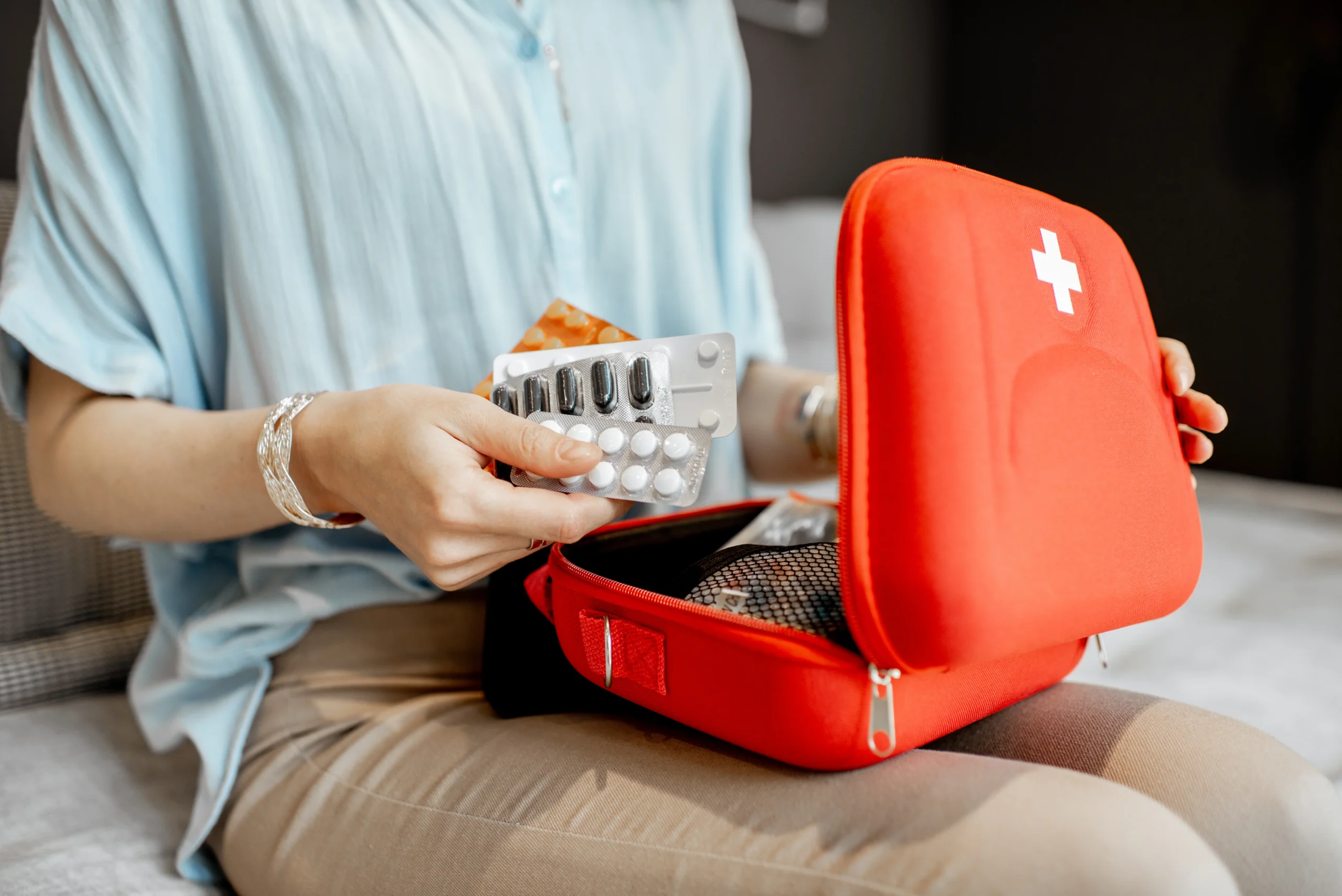

A practical November checklist for keeping medication records, refills, storage instructions, insurance details, and pharmacy contacts current before holiday travel and family visits.
Quick Answer
Before the holiday season, caregivers should update one complete medication list, check refill timing, confirm storage needs, keep prescription labels and pharmacy contacts together, and review any insurance changes that could affect January fills. Do not change doses or stretch a supply on your own. If a refill, storage instruction, or medication schedule is unclear, ask the pharmacist or prescriber before travel.
Why November Is a Good Time to Update a Caregiver Medication Plan
Holiday schedules change routines quickly. A person may travel, stay with relatives, host children or grandchildren, see a different caregiver for a few days, or need a refill while prescriber and pharmacy hours are different from usual. A medication plan that worked in October can become harder to follow when several of those changes happen at once.
November 2025 also opened an important insurance window in California. Covered California began 2026 open enrollment on November 1, with enrollment running through January 31, 2026. If the person you care for uses a Covered California plan, this is a practical time to review the plan for the coming year instead of discovering a pharmacy or prescription-coverage change at the first January refill.
The goal of this checklist is not to change anyone’s treatment. It is to make the information around that treatment easier to find, easier to share, and less likely to be disrupted by travel or holiday routines.
1. Build One Medication List That Every Caregiver Can Use
Start with one current list rather than relying on memory, old discharge paperwork, several patient portals, or bottles stored in different rooms. The National Institute on Aging recommends including prescription medicines, over-the-counter products, vitamins, herbal products, and dietary supplements when caregivers prepare for medical visits. AHRQ’s My Medicines List also includes the medicine name, strength, reason it is taken, and instructions for when and how it is used.
For holiday planning, add the practical details another caregiver would need if you were unavailable for a day or two:
- Medication name and strength exactly as shown on the current label.
- Current directions and usual time of day.
- What the medication is being used for, when known.
- Prescriber name and office phone number.
- Pharmacy name and phone number.
- Known medication allergies or prior reactions that the care team has documented.
- Any special storage instructions shown on the label or provided by the pharmacist.
- The date the list was last checked.
Do not rewrite a dose from memory if the bottle and current instructions do not match what you expected. Set that item aside and ask the pharmacist or prescriber to clarify it. A caregiver checklist is useful only when it reflects the instructions the person is actually supposed to follow.
Before You Call the Pharmacy
- Have the patient’s name and date of birth available.
- Have the prescription number or current bottle nearby when possible.
- Know the travel dates and how many doses remain.
- Write down the exact question: refill timing, storage, label directions, insurance processing, or another issue
2. Check Refill Timing Before Travel and Holiday Closures
Count the doses on hand against the actual travel dates. Do this before the final business day before a trip. Refill timing can depend on the prescription, remaining refills, the prescriber, the medication involved, and insurance rules. A pharmacy may need time to contact the prescriber or work through a coverage issue, so a same-day request is not always possible.
If the available supply will not cover the trip, call the pharmacy and explain the dates. Ask what can be filled under the current prescription and whether the pharmacy needs anything from the prescriber or insurer. For longer or international travel, CDC guidance also recommends planning for enough medicine for the trip and extra for unexpected delays, while recognizing that insurance or destination-country rules may limit what can be supplied or carried.
Do not skip doses, split tablets that were not meant to be split, reduce the prescribed amount, or change timing simply to make a supply last longer. Those are treatment decisions, not travel-planning shortcuts.
3. Keep Prescription Labels, Pharmacy Contacts, and Storage Instructions Together
A medication list helps, but the labeled container still matters. CDC travel guidance advises keeping medicines in their original, labeled containers, especially for international trips. When flying, carrying necessary medicines with you rather than in checked baggage can reduce the risk of being separated from them if luggage is delayed or lost.
Before packing, read each label for storage instructions. Some medicines need refrigeration; others should be protected from heat, moisture, freezing temperatures, or direct sunlight. California holiday travel can involve very different conditions in the same day—from a warm parked car in the desert to freezing temperatures in mountain areas. The safest plan is to follow the specific storage directions for that product and ask the pharmacist if the travel conditions are unclear.
Keep the pharmacy phone number and prescriber contact information with the medication list. A photo of the current label can also be useful as a backup reference, but it should not replace carrying the medication as instructed.
4. Make Medication Storage Safer When Children and Guests Are Around
Holiday visits create a common storage problem: medicines that are normally secured at home may end up in purses, backpacks, guest-room nightstands, suitcases, or bathroom counters. CDC’s 2025 medication-safety travel materials remind parents and caregivers to keep medicines, vitamins, and supplements up and away, out of the reach and sight of young children, whether traveling or hosting visitors.
If children will be in the home, decide where each guest can place medicines before they arrive. A high cabinet or another secured location is better than a counter, bedside table, open bag, or suitcase on the floor. Remember that many pill organizers are not child-resistant, even when they are useful for an adult’s daily routine.
For a suspected poisoning, Poison Help is available at 1-800-222-1222 . Call 911 for a life-threatening emergency. Keep those numbers available to every adult who may supervise children during the gathering.
5. Use California Open Enrollment to Check Pharmacy Access for 2026
For Californians enrolled through Covered California, open enrollment for 2026 began November 1, 2025. Caregivers who help with insurance paperwork should not focus only on the monthly premium. Prescription access can also depend on the plan’s pharmacy network, drug coverage, cost-sharing, and prior-authorization rules.
When comparing or renewing a plan, check the plan’s own current materials for the medications the person uses and the pharmacies available in the network. If you are not sure how a specific prescription has been processing at Las Palmas Pharmacy, the pharmacy can explain the information it can see on a claim or refill. Questions about choosing a plan, eligibility, subsidies, or plan benefits should go to Covered California or the insurer.
This review matters even when nothing has changed in November. A plan selected for January can affect the first refill of 2026, so it is easier to identify questions before the new plan year starts.
Holiday Caregiver Checklist
- Medication list checked against current labels.
- Prescription, OTC, vitamin, and supplement entries included.
- Refill dates compared with travel dates.
- Pharmacy and prescriber contact numbers saved.
- Storage requirements confirmed for travel and the destination.
- Medicines kept in labeled containers while traveling.
- Safe storage planned if children or guests will be present.
- January insurance or pharmacy-network changes reviewed when applicable.
- A backup caregiver has a copy of the current list when appropriate.
| Situation | What to Check | Who to Contact |
|---|---|---|
| Travel begins before the next refill date | Doses on hand, refill date, remaining refills, travel dates | Pharmacist; prescriber if a new prescription is needed |
| A child or grandchild will be visiting | Where every medicine, vitamin, and supplement will be stored | Caregiver; pharmacist for storage questions; Poison Help for an exposure |
| A medicine requires refrigeration | Label instructions, transport method, temperature limits | Pharmacist or manufacturer instructions supplied with the medicine |
| A 2026 insurance plan is changing | Pharmacy network, drug coverage, cost-sharing, plan requirements | Insurer / Covered California; pharmacy for claim-processing questions |
| A medication list does not match the bottle | Current label and most recent prescriber instructions | Pharmacist or prescriber before changing anything |
Have a Question About a Refill Before the Holidays?
If you use Las Palmas Pharmacy, call before travel if you are unsure about refill timing, label directions, storage instructions, or what information the pharmacy needs to review a prescription question.
6. Make a Backup Plan for Delays, Lost Medication, or a Changed Itinerary
A backup plan should answer three questions: Who has the current medication list? Who knows the pharmacy and prescriber contact information? What will the caregiver do first if the medication is lost, damaged, left behind, or no longer stored correctly?
If something happens, contact the pharmacy rather than guessing at the next step. Replacement options can differ by medication and prescription status. Controlled substances may have additional legal restrictions. If the pharmacy cannot resolve the issue under the existing prescription, it can tell you what information or prescriber action may be needed.
For international travel, check destination-country medication rules before departure. CDC notes that medicines legal in the United States may be restricted elsewhere, and some countries limit quantities or require supporting documentation. That check should happen before the suitcase is packed, not at customs.
7. Know What a Pharmacist Can Clarify—and What Requires the Prescriber
A pharmacist can help explain the directions on a prescription label, storage requirements, refill status, common medication-use questions, and what may be needed to process a refill. The pharmacy can also tell you when the existing prescription does not allow the requested fill or when it needs to contact the prescriber.
Dose changes, stopping a medication, starting a different prescription, or deciding that a medicine is no longer needed belong with the prescriber. If a caregiver notices a new symptom, possible side effect, or medication error, contact the appropriate health professional promptly rather than waiting until after the holiday.
Pharmacist insight placeholder
Add one original Las Palmas pharmacist comment before publication—for example, what caregivers should have in hand when calling about a holiday refill or storage question. Do not publish a fabricated quote or reviewer credential
Frequently Asked Questions
What should be included on a caregiver medication list?
Include every current prescription medicine, over-the-counter medicine, vitamin, supplement, and herbal product. Record the name, strength, current directions, usual timing, and reason it is taken when known. Add prescriber and pharmacy contacts, allergies, special storage instructions, and the date the list was checked. Update the list whenever a medication is started, stopped, or changed by the prescriber.
How early should I check refills before holiday travel?
Check as soon as travel dates are known rather than waiting until the day before departure. Compare the doses on hand with the length of the trip and any days the pharmacy or prescriber may be closed. If the supply will not last, call the pharmacy. Refill timing can depend on the prescription, insurer, prescriber, and medication, so an early refill cannot be assumed.
Should medications stay in their original bottles when traveling?
For travel, keeping medicines in their original labeled containers is the safest general approach and is specifically recommended by CDC for international travel. Original labels help identify the medication and its directions. A pill organizer may still be useful in some daily routines, but many organizers are not child-resistant, and international travel may have additional documentation or packaging requirements.
What if a medication needs refrigeration during a road trip?
Read the medication label and any storage instructions first, because temperature requirements vary by product. Do not assume that a cooler, ice pack, hotel refrigerator, or car compartment is appropriate. Ask the pharmacist how the specific medication should be transported and what to do if it has been outside the recommended conditions.
Can a caregiver request a refill for someone else?
A caregiver can often help with routine pharmacy communication when the pharmacy is permitted to discuss the prescription with that person, but privacy and authorization requirements still apply. Have the patient’s identifying information and prescription details available. For more complex requests, the pharmacy may need to confirm who is authorized to receive information or act on the patient’s behalf.
What should I check if a California insurance plan changes on January 1?
Review the new plan’s pharmacy network, drug coverage, cost-sharing, and any plan requirements before the first January refill. Use the insurer’s current materials for benefit details. Las Palmas Pharmacy can help explain what it sees when a prescription claim is processed, while plan selection, eligibility, subsidies, and coverage decisions should be confirmed with the insurer or Covered California.
Questions About Your Medications or Prescription?
Las Palmas Pharmacy can help with prescription refill questions, label directions, storage instructions, and general pharmacy information. For treatment changes or new medical concerns, contact the prescribing clinician.