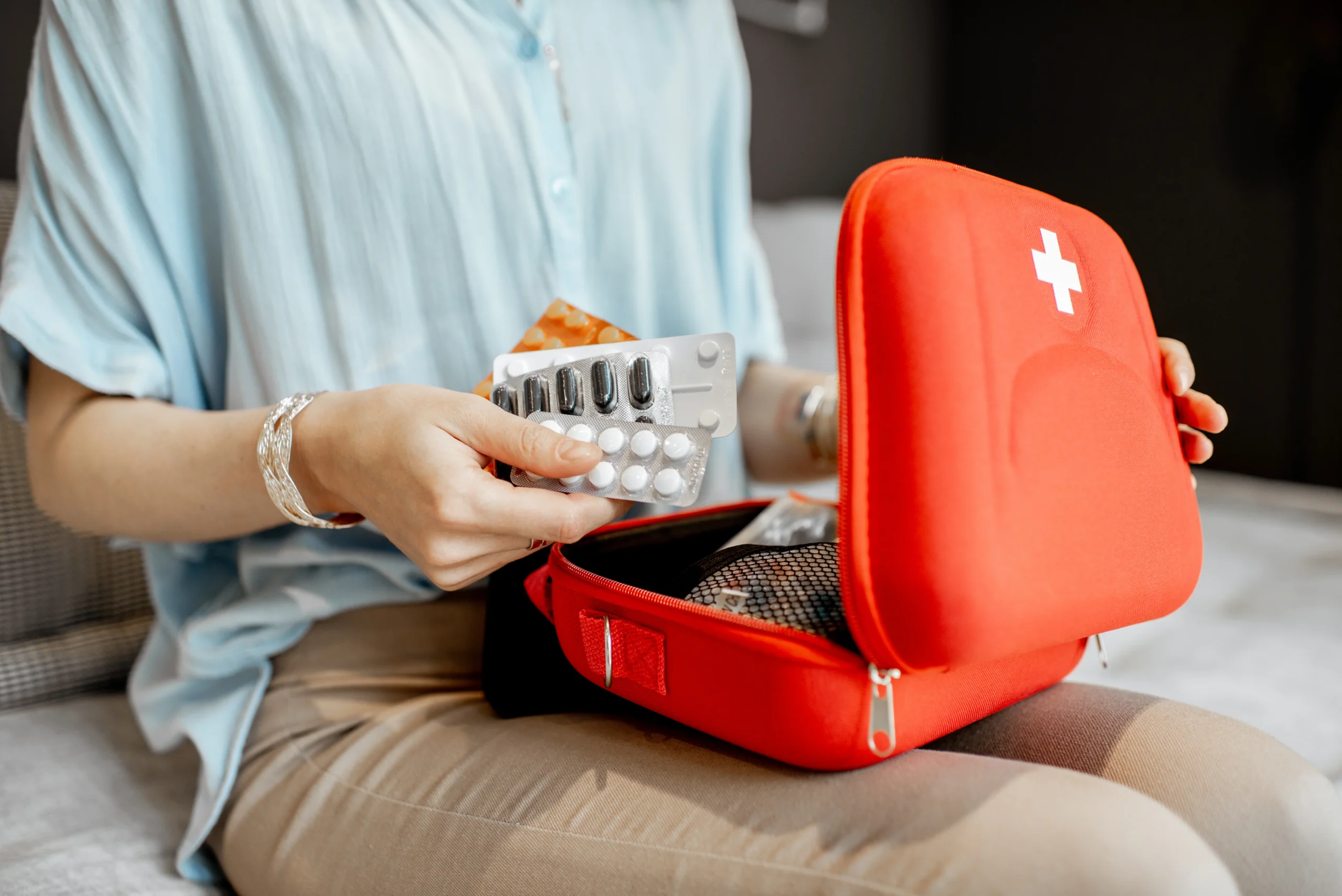

California has opened the 2026–27 respiratory-virus surveillance season. August is a practical time to organize current medication information, refill contacts and immunization records before influenza and RSV activity typically increases in fall.
California’s respiratory-virus planning for 2026–27 is already underway. CDPH’s August surveillance guidance covers influenza, RSV, SARS-CoV-2 and other respiratory viruses for the season running from July 5, 2026 through July 3, 2027.
That does not mean influenza and RSV are already at winter levels. CDPH notes that influenza and RSV activity typically starts increasing in fall and peaks during winter, while SARS-CoV-2 can circulate during summer. For households, August is therefore a preparation month: make records usable, check current prescriptions and refill contacts, and list the questions that need professional answers before fall activity becomes more common.
Quick Answer
Use August to make sure each household member has an accurate medication list, current prescription labels, known refill contacts and accessible immunization records. California’s Digital Vaccine Record can show vaccinations reported to the California Immunization Registry, but missing doses should not automatically be treated as doses that were never given. For influenza, COVID-19 and RSV questions, use the person’s documented history and current California guidance rather than assuming last season’s recommendation still applies. Do not start, stop, change or stockpile medication on your own for respiratory season.
What California Has Started for the 2026–27 Respiratory Season
The CDPH August laboratory guidance establishes the state’s respiratory-virus surveillance framework for 2026–27. It covers testing and reporting for influenza, RSV, SARS-CoV-2 and other respiratory viruses and identifies July 5, 2026 through July 3, 2027 as the surveillance season.
The surveillance document is written for public health laboratories, not as a personal treatment schedule. Household decisions about vaccination, testing or treatment should come from current consumer guidance and the person’s healthcare professional.
Review Current Medication Information Before Fall
Respiratory-season preparation does not mean adding medicines “just in case.” A safer task is making sure the medicines already prescribed are correctly documented and that the household knows how to reach the pharmacy and prescriber when a question arises.
- Match the medication list to current labels
Record the drug name, strength, dosage form and current directions from the active label rather than relying on memory or an old list.
- Check prescription and refill status
For regular respiratory medicines or other chronic prescriptions, confirm whether refills remain and which pharmacy currently holds the prescription.
- Confirm devices and supplies belong to the current plan
If the person uses a prescribed inhaler, nebulizer medicine or another respiratory product, make sure the household can identify the correct product and instructions.
- Keep pharmacy and prescriber contacts with the record
A medication list is more useful when the person also knows who to call about a refill, label question or clinical change.
Check Vaccine Records Before Asking What Is Due
Immunization questions are easier to answer when the documented history is available. California’s Digital Vaccine Record provides an official electronic record from the California Immunization Registry for vaccinations that were reported to CAIR.
What influenza vaccination is documented from the prior season?
What COVID-19 doses are recorded, and on what dates?
Is any RSV vaccination or immunization history relevant to this family member?
Are records from another clinic, pharmacy or health system missing from CAIR?
CDPH cautions that not every vaccination necessarily appears in the Digital Vaccine Record. A dose may be missing because a provider did not report it to CAIR or reporting is delayed. If a record looks incomplete, check with the healthcare provider or pharmacy that administered the dose or use the state’s record-assistance process.
Do not use a missing digital entry as proof that a vaccine was never received, and do not repeat a dose solely because a record is absent without appropriate professional guidance.
Identify Family Members Who May Need Earlier Professional Contact
CDPH lists several groups as more likely to become seriously ill from respiratory viruses. These include older adults, infants and young children, people with certain chronic conditions, people with weakened immune systems, people with disabilities, people who are pregnant or recently pregnant, and residents of skilled nursing or other long-term care facilities.
Higher risk does not mean a caregiver should decide on preventive or treatment medication independently. It means the household should know when to contact a healthcare professional promptly.
Questions to Settle Before Respiratory Activity Increases
Separate pharmacy questions from individual clinical decisions so each question goes to the right person.
- Which prescriptions need refill planning?
The pharmacy can review refill status, current labels, pharmacy records and availability questions for prescriptions it dispenses.
- Which vaccine recommendation applies now?
Ask a pharmacist or clinician to use the person’s age, documented vaccination history and current California guidance rather than relying on last year’s schedule.
- Does a health condition change the recommendation?
Pregnancy, immune status, chronic illness and other clinical factors can require individualized review by an appropriate healthcare professional.
- Where can the record be retrieved?
If the household cannot find the vaccine history, start with the California Digital Vaccine Record and the providers or pharmacies that administered prior doses.
Current recommendations can change from one respiratory season to the next. That is why the useful August task is to prepare the record and ask the question, not to assume every family member needs the same product or timing.
If Someone Becomes Sick, Use the Plan Rather Than Guessing
CDPH advises that people at higher risk for severe respiratory illness should seek medical help promptly when symptoms begin. Early testing can matter because prescription treatment for influenza or COVID-19 may be time-sensitive for eligible patients.
Do not use leftover antibiotics, antivirals or another person’s prescription. Do not change an existing medication schedule to treat a new respiratory illness unless an appropriate healthcare professional directs that change.
Frequently Asked Questions
When did California’s 2026–27 respiratory surveillance season begin?
CDPH identifies July 5, 2026 through July 3, 2027 as the 2026–27 respiratory-virus surveillance season.
Does respiratory-season planning mean influenza and RSV are already surging in August?
No. CDPH’s August surveillance guidance says influenza and RSV activity typically starts increasing in fall and peaks during winter. The August planning period is a good time to organize records and contacts before that usual seasonal increase.
What medication information should a household review?
Review current drug names, strengths, dosage forms, label directions, prescribers, dispensing pharmacies and refill status. Do not add, restart or change medication just because respiratory season is approaching.
How can Californians check their vaccine records?
California’s Digital Vaccine Record can provide an official electronic immunization record from CAIR. Some vaccinations may be missing if they were not reported or reporting is delayed, so an incomplete record should be checked with the administering provider or pharmacy.
Should we use last year’s flu, COVID-19 or RSV recommendation for this year?
Do not assume the prior season’s recommendation still applies. Ask a pharmacist or clinician to review the person’s documented history and the California guidance in effect for the 2026–27 season.
When should a higher-risk person contact a healthcare professional after symptoms start?
CDPH advises people at higher risk for severe respiratory illness to get medical help promptly when they begin feeling sick. Testing and prescription treatment decisions belong with an appropriate healthcare professional.
Use August to Make the Record Usable
Respiratory-season planning starts with accurate medication information, accessible vaccine records and clear healthcare contacts. Those basics make it easier to ask the right question quickly if fall respiratory activity rises or someone in the household becomes sick.