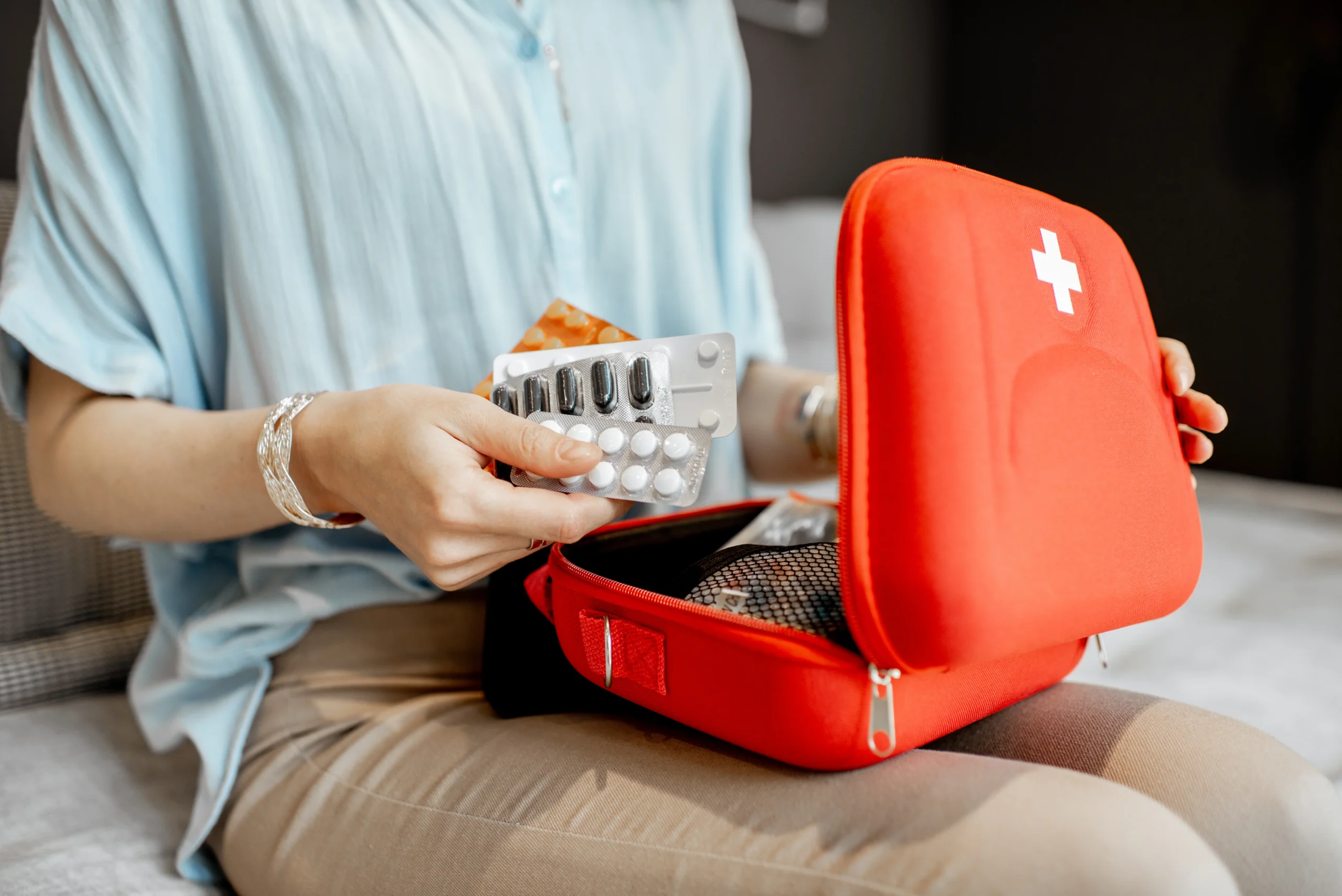
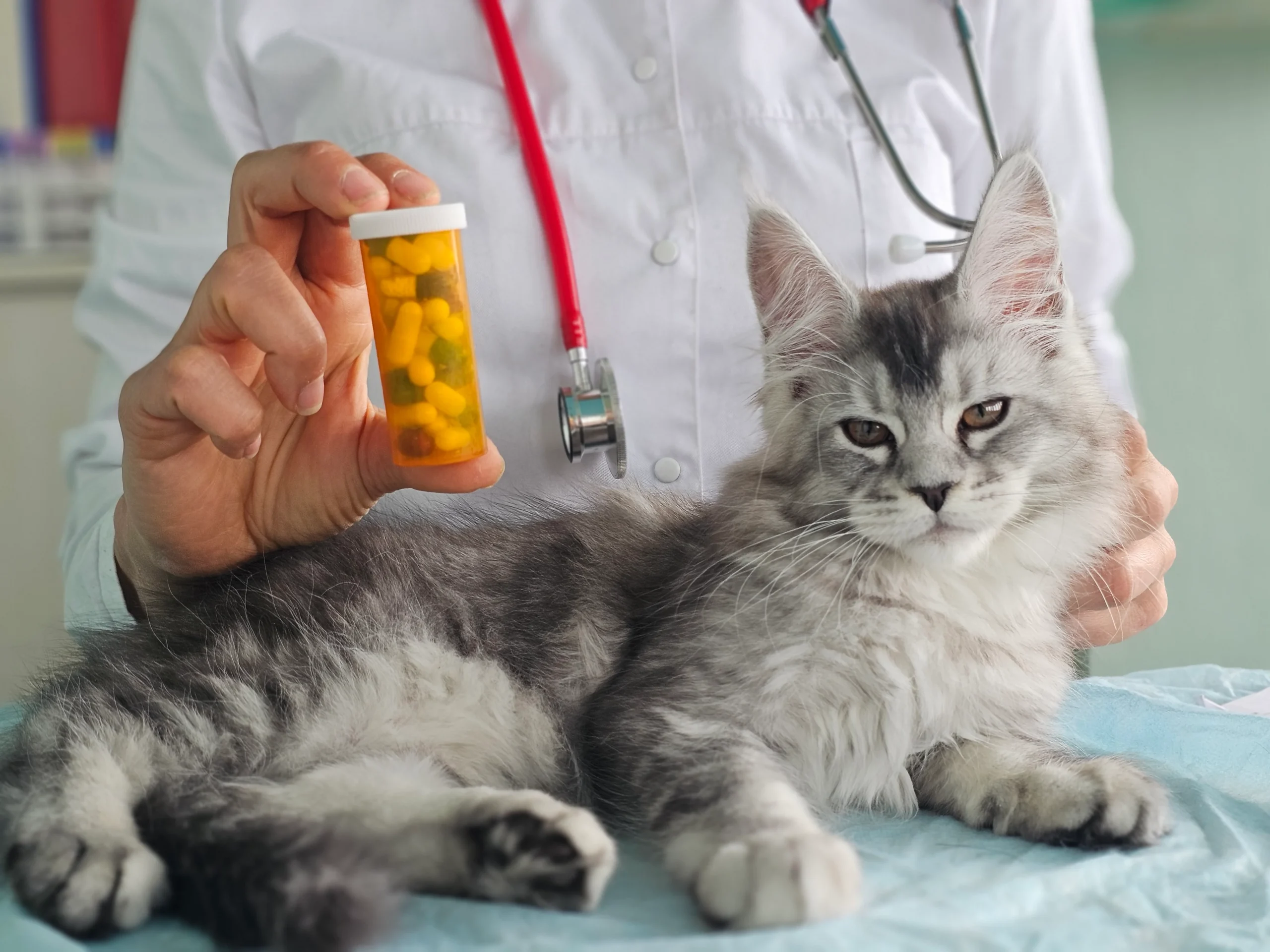
A wildfire evacuation can separate a household from its regular veterinarian, pharmacy, refrigerator, and daily routine. If a pet takes prescription medicine, add the medication plan to the same family emergency plan as the carrier, identification, food, water, and vaccination records.
California emergency planners repeatedly tell households not to leave pets out of evacuation preparation. Cal OES recommends a pet go-bag with medications, veterinary history or vaccination information, identification, food, water, a carrier, and a leash. A pet that depends on daily or time-sensitive medicine needs one extra layer of preparation: the prescription information must travel with the animal.
That does not mean creating a new dosing plan for an emergency. The veterinarian’s directions still apply. The goal is to make sure a temporary caregiver, shelter, boarding facility, emergency veterinarian, or pharmacy can identify the medicine, the pet, the current directions, and the relevant contacts without relying on memory.
Quick Answer
Add every pet prescription to the family evacuation plan before wildfire warnings begin. Keep each medicine in its original labeled container, carry written dosing instructions and a current pet medication list, include the veterinarian’s name and phone number, and bring vaccination or veterinary records that may be needed at a shelter or boarding location. Check storage requirements before placing medicine in a vehicle or cooler. Do not give extra doses, skip doses, substitute a human medicine, or use another animal’s prescription because travel plans changed. If medication access or treatment needs change, contact the veterinarian; for veterinary prescriptions filled by Las Palmas Pharmacy, the pharmacy can clarify label, refill, storage, and record questions.
Why Pet Medication Belongs in the Family Evacuation Plan
CDPH’s wildfire preparedness reminder includes both pets and prescriptions among the items households need to think about when an evacuation is possible. Cal OES goes further for animal planning: pets should have an emergency bag with medication, veterinary history, food, water, and the equipment needed to move them safely.
June is also Pet Preparedness Month in California emergency-planning communications. Cal OES advised in June 2025 that pets should have easily accessible go-bags with medications and important documents, along with food, water, identification, and carriers.
Build One Pet Medication Record That Can Travel With the Animal
FDA advises pet owners to keep a list of the drugs an animal is taking, including prescription medicines, over-the-counter products, and supplements. That record becomes especially useful when the regular veterinarian is unavailable or another person temporarily takes over care.
Keep a paper copy in the pet go-bag and a digital copy that can be reached if the paper record is lost. The paper copy helps when cell service, battery power, or internet access is unreliable.
Pack the Prescription So Another Caregiver Can Identify It Correctly
FDA recommends keeping animal medicines in their original containers with intact labels. During an evacuation, that label connects the medicine to the correct pet and provides information a veterinarian, pharmacist, or temporary caregiver may need.
Do not transfer tablets into an unmarked bag or combine medicines from different pets.
Carry the veterinarian’s current instructions rather than relying on memory during a stressful move.
Pack the syringe, measuring device, applicator, sharps container, or other supply used with the medicine when applicable.
Include vaccination information, medical history needed for boarding or shelter intake, and the pet’s emergency contacts.
Include prescription, OTC, and supplement products so an unfamiliar veterinarian has a more complete record.
Know which pharmacy or veterinary clinic holds the current prescription and whether refills remain.
Pet Prescription Check
Review the Label and Refill Status Before an Evacuation Warning
For veterinary prescriptions dispensed by Las Palmas Pharmacy, ask about the current pharmacy record, label directions, refill status, storage instructions, pickup, or transfer questions before access becomes urgent.
Plan for Heat, Refrigeration, and Vehicle Storage Before You Move the Pet
Pet medicines do not all have the same storage requirements. FDA notes that some animal medicines need refrigeration, some are stored at room temperature, and some need protection from sunlight. Temperatures that are too high or too low can affect a medicine.
Before wildfire season, identify which pet prescriptions have special storage needs and ask the veterinarian or dispensing pharmacy what the labeled storage instructions require. Do not assume that placing every medicine directly against an ice pack is safe, and do not leave temperature-sensitive medicine in a hot parked vehicle unless the labeled conditions can be maintained.
Check Where the Pet Can Go Before an Evacuation Order
Cal OES recommends finding out in advance where pets can go during an emergency. A destination question becomes a medication question when a shelter, hotel, boarding facility, friend, or relative will temporarily manage the animal.
Ask what documents the destination requires, whether medication can be stored at the necessary temperature, who is allowed to administer it, and what veterinary facility is nearby. Keep the carrier, prescription bag, medication record, and veterinary documents together so the pet’s health information does not get separated during the move.
Prepare for a Caregiver or Veterinary Handoff if the Routine Changes
An evacuation can put a pet in the care of someone who does not know the normal medication routine. A written handoff helps reduce mix-ups, but it should reproduce the veterinarian’s current directions rather than create new instructions.
FDA advises that the pet’s veterinarian is the primary source for veterinary medical advice. If the regular veterinarian cannot be reached during an urgent situation, an emergency animal hospital or animal poison control service may be appropriate depending on the problem.
Frequently Asked Questions
What pet medication information should I put in an evacuation go-bag?
Keep the original labeled medicine, the veterinarian’s current directions, a written medication list, known allergies or prior medication problems, veterinarian contact information, and any administration or storage supplies the pet needs. Add vaccination or veterinary records that may be required at a shelter or boarding location.
Should I move my pet's pills into a small bag to save space?
FDA recommends keeping animal medicines in their original labeled containers. An intact label helps identify the medicine, the pet, and the directions and reduces the risk of mixing up products between pets or people.
How much pet medication should I pack for a wildfire evacuation?
There is no single amount that fits every veterinary prescription. Review the current supply before wildfire warnings and ask the veterinarian or dispensing pharmacy about refill timing, prescription limits, storage, and how much can appropriately be available. Do not ration or change the dosing schedule to make the supply last longer.
Can I keep my pet's medicine in the car during wildfire season?
Only if the exact product’s labeled storage conditions can be maintained. Vehicle interiors can become very hot, and some animal medicines need refrigeration or protection from heat or sunlight. Check the label and ask about product-specific transport if needed.
What should I do if my pet's medicine is lost during an evacuation?
From a safe location, contact the prescribing veterinarian and the pharmacy or veterinary clinic that dispensed the medicine. They can determine what prescription, refill, or replacement steps are available. Do not substitute a human medicine or another pet’s prescription.
Who should I call if my pet has a medication emergency during an evacuation?
Call the pet’s veterinarian or an emergency veterinary hospital for veterinary medical advice. FDA also lists animal poison control services for poisoning or medication-exposure emergencies. If a veterinary prescription dispensed by Las Palmas Pharmacy has a label, refill, storage, or pharmacy-record question, the pharmacy can help with that part of the issue.
Put Pet Prescriptions Beside the Carrier Before Wildfire Warnings Begin
Keep the medication, labeled container, dosing record, veterinary contacts, vaccination information, storage plan, and administration supplies together with the pet’s evacuation gear. For veterinary prescriptions dispensed by Las Palmas Pharmacy, we can clarify pharmacy labels, refill status, storage directions, pickup, transfers, and pharmacy record questions.