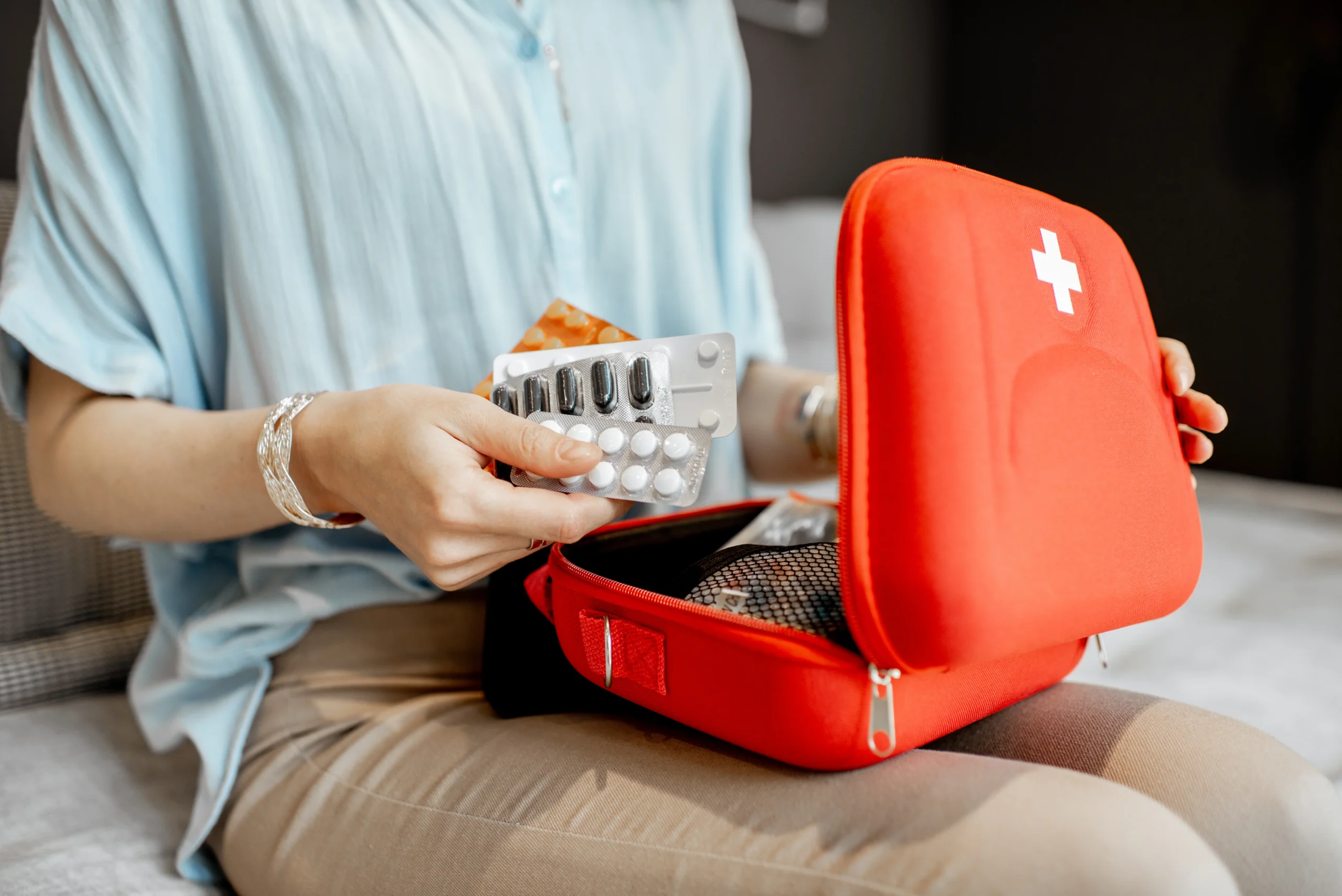
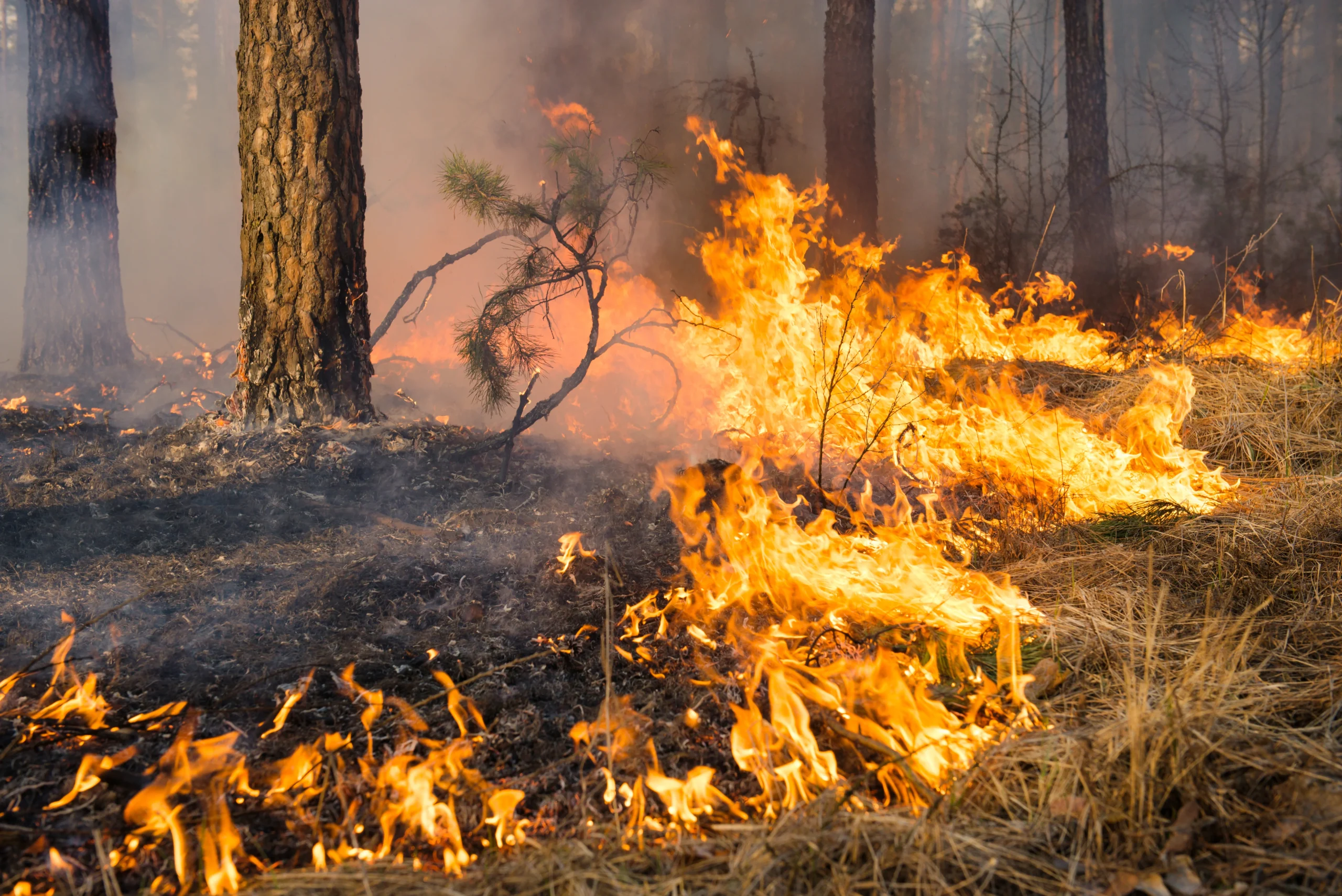
When smoke reaches a California community, people with asthma, COPD, or other breathing conditions may need to limit exposure quickly. The medication plan should already be organized: prescribed medicines accessible, devices ready, action-plan instructions available, and pharmacy or clinician contacts easy to find.
Wildfire smoke does not have to come from a fire next door. Smoke can travel far from the burn area, and California public-health guidance advises people to prepare before smoky conditions arrive. That preparation is especially important for people with asthma, COPD, or other heart and lung conditions.
CDPH’s smoke-readiness guidance tells people with heart or lung conditions to plan for health needs in advance, keep a 7- to 10-day supply of medications on hand, follow existing asthma or COPD action plans, and have oxygen available when prescribed. This June article focuses on a different part of that advice: making sure prescribed respiratory medicines and the equipment used with them are actually available when smoke changes the day’s routine.
Quick Answer
Before wildfire smoke reaches your area, put every prescribed respiratory medicine, device, spacer, nebulizer accessory, oxygen contact, and current action-plan instruction into one access check. Confirm which medicines are for routine use and which are named in the clinician’s existing symptom plan, but do not change doses or frequency on your own. Keep medicines in labeled storage conditions and in places that remain reachable if school, work, travel, or an evacuation changes the day. Monitor the AQI to reduce smoke exposure. If breathing symptoms worsen or do not improve according to the existing care plan, contact the clinician; for severe trouble breathing, chest pain, or another emergency, call 911.
Why June Is the Time to Check Respiratory Medication Access
CDPH warns that wildfire smoke can make anyone sick and can be especially harmful for people with chronic health conditions. CDC also identifies asthma and COPD among the conditions that need extra attention during wildfire smoke events.
A respiratory prescription can be current on paper and still be hard to use during a smoke event if the inhaler is in a different bag, the spacer is missing, the nebulizer depends on electricity, the refill has no remaining quantity, or the written action plan is outdated. The practical goal is to find those access gaps before smoky air limits travel or outdoor activity.
Map Each Respiratory Medicine to the Existing Care Plan
Start with the current prescription labels and the clinician’s asthma, COPD, or other respiratory care instructions. The purpose is not to decide what should be taken more often. It is to make sure the medicines already prescribed can be identified and reached quickly.
If the prescription label and the action-plan document do not appear to match, do not guess which one should control. Contact the prescriber or pharmacy so the record can be clarified before smoke conditions become urgent.
Keep Prescribed Medicines Available Where the Person Actually Spends Time
Smoke can change school, work, caregiving, travel, and evacuation routines. A person who normally keeps respiratory medicines in one location may suddenly spend more time indoors somewhere else or leave the area for cleaner air.
Before that happens, review where the prescribed medicine is normally kept and who is responsible for it. For a child, that may include school medication procedures. For an older adult, it may include a caregiver handoff. For someone who works away from home, it may mean checking that the prescribed medicine is accessible without being stored in a hot car.
- Keep the medicine in its labeled container or packaging so the drug, strength, directions, and pharmacy information remain identifiable.
- Know the refill status before smoke limits normal errands or travel.
- Keep the current clinician action plan or written instructions with the medication record when one has been provided.
- Do not split, ration, share, or change prescribed use to make the supply last longer.
- If a controlled medication is involved, ask about transfer or refill restrictions before relying on an alternate pharmacy.
Prescription Access Check
Check the Label and Refill Status Before Smoke Changes the Routine
Las Palmas Pharmacy can clarify prescription labels, remaining refills, pharmacy records, storage instructions, transfers, and pickup questions.
Use the AQI to Reduce Smoke Exposure, Not to Rewrite Prescription Directions
CDPH advises Californians to monitor the Air Quality Index and use it to decide when to spend less time outside, avoid strenuous outdoor activity, use cleaner indoor air, or take other smoke-exposure precautions. AirNow’s Fire and Smoke Map can also help households see local smoke and air-quality information.
The AQI is not a medication dosing tool. A higher AQI does not automatically mean a person should take an extra dose, shorten an interval, restart a stopped medicine, or add an OTC product. Follow the existing clinician plan and contact the clinician if that plan does not address the current symptoms or circumstances.
Check the Equipment That Makes the Prescription Usable
For some people, medication access also depends on equipment. CDPH’s smoke-readiness guidance specifically tells people who use oxygen to plan for oxygen supplies. Nebulizers and other devices may depend on electricity, charged batteries, tubing, masks, or replacement accessories.
Before a smoke event, identify which equipment is essential to the person’s prescribed routine and what happens if power, travel, or a temporary relocation interrupts access. Ask the equipment supplier, pharmacy, or treating clinician for product-specific instructions rather than improvising a substitute device or delivery method.
Know Which Problem Belongs With the Pharmacy, Clinician, or Emergency Care
Wildfire smoke can cause coughing, wheezing, shortness of breath, chest discomfort, and worsening of existing heart or lung problems. CDC advises people with asthma to follow their clinician’s advice and asthma action plan and to contact a health care provider for breathing trouble, shortness of breath, or a cough that does not go away.
Do not use a smoke event as a reason to independently start, stop, restart, share, ration, or change the dose, route, schedule, or frequency of a prescribed respiratory medicine.
Frequently Asked Questions
How much respiratory medication should I keep available during wildfire season?
CDPH’s smoke-readiness guidance says to keep a 7- to 10-day supply of medications on hand. Actual refill timing can depend on prescription status, insurance rules, prescriber authorization, inventory, and controlled-medication requirements. Check before the supply becomes urgent rather than assuming an early fill will be available.
Should I use my inhaler more often when the AQI gets worse?
Do not change prescribed frequency based only on an AQI number. Use the AQI to reduce smoke exposure and follow the clinician’s existing asthma, COPD, or respiratory action plan. Contact the treating clinician if symptoms are changing or the plan does not address the situation.
What respiratory items should stay together during wildfire smoke season?
Keep the prescribed medicine, current label, action-plan instructions, and any required spacer, nebulizer accessory, mask, tubing, charger, or other device together when practical. People who use prescribed oxygen should also keep supplier and backup-plan information available.
Can I keep an inhaler in the car so it is always nearby?
Only if the exact product’s labeled storage conditions can be maintained. Parked vehicles can become very hot. Check the medication’s temperature instructions and choose an access routine that does not expose it to conditions outside the label.
Who should I call if my respiratory prescription is almost out while smoke is heavy?
Contact the pharmacy to check the prescription record, refill status, transfer options, pickup, and any known coverage issue. If a new prescription or treatment decision is required, the pharmacy may need to coordinate with the prescriber. Do not ration or change the prescribed schedule on your own.
When should breathing symptoms during wildfire smoke be treated as an emergency?
Severe trouble breathing, chest pain, loss of consciousness, confusion, or another medical emergency needs immediate care. CDC advises calling 911 or going to an emergency department for medical emergencies. Do not wait for a routine pharmacy or prescriber callback when symptoms are severe.
Make Respiratory Medicines Easy to Reach Before Smoke Changes the Day
Check the current labels, refill status, action-plan instructions, devices, storage needs, and contact numbers before wildfire smoke limits normal routines. Las Palmas Pharmacy can help with pharmacy records, prescription labels, refills, storage instructions, transfers, pickup, and pharmacy-supplied device questions.