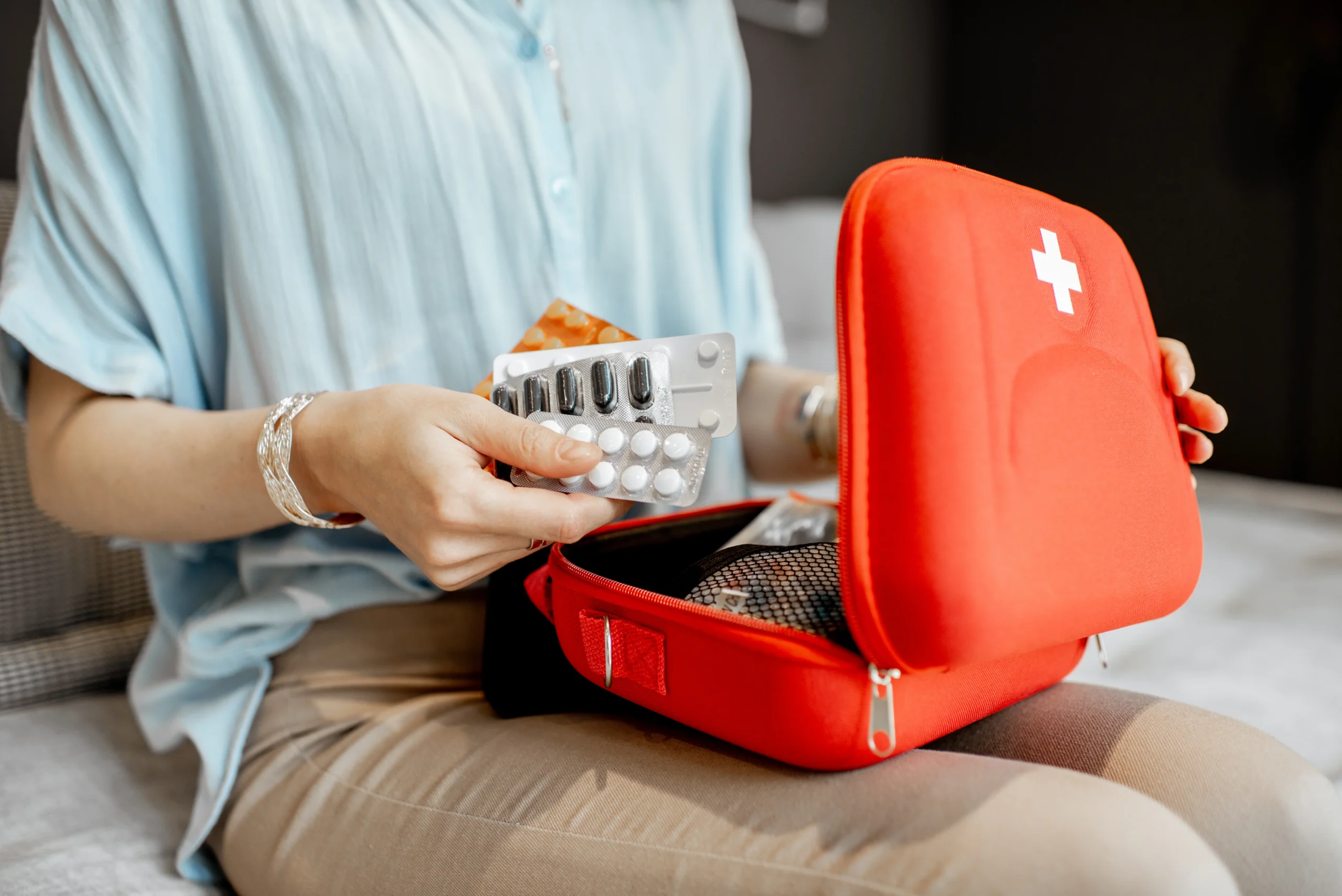
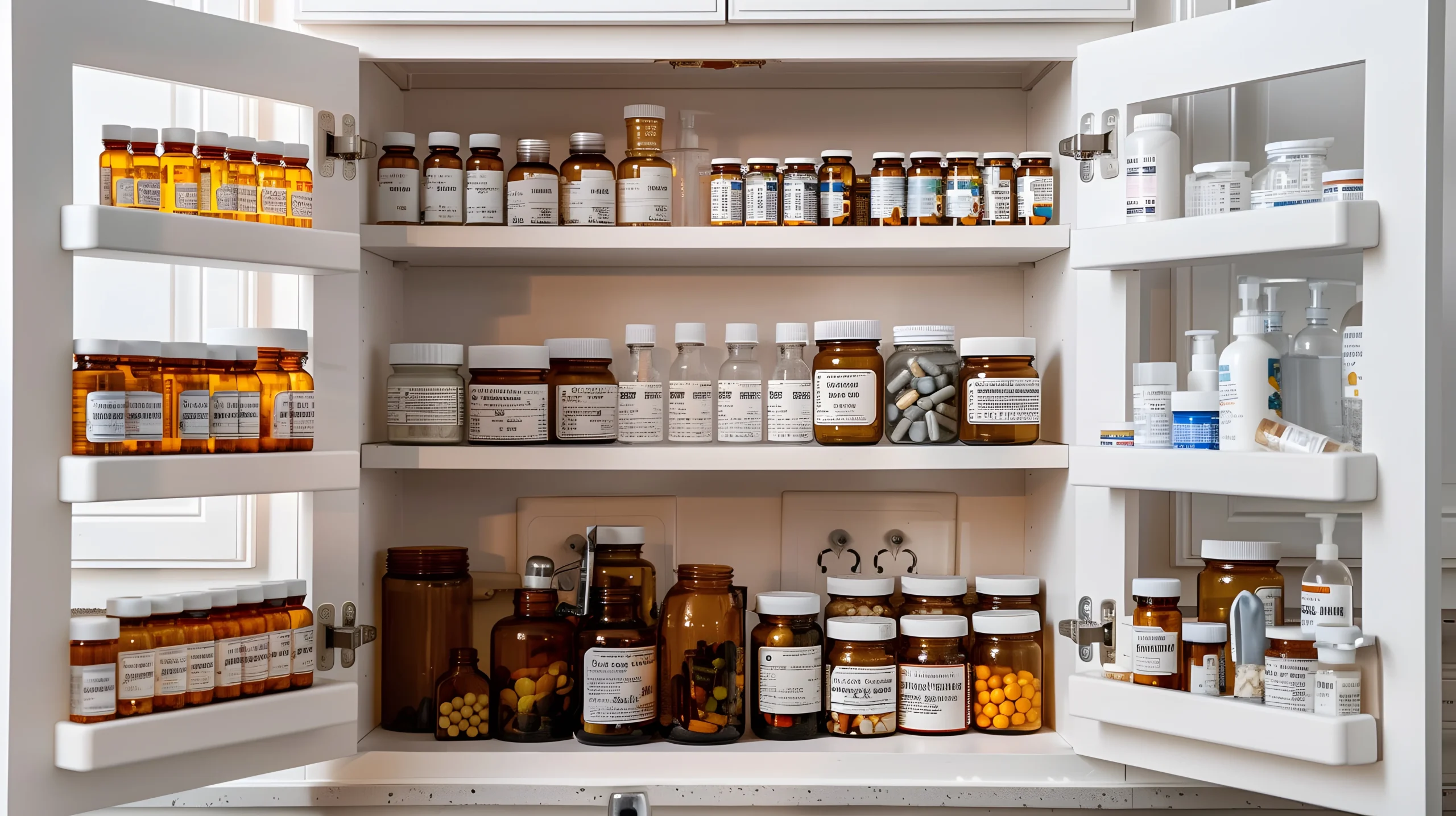
If a medication depends on refrigeration, the useful question is not simply how long the household refrigerator stays cold. The safer plan is to know the product’s storage instructions, backup option, temperature record, and contact path before an outage begins.
California summer heat, wildfire conditions, utility work, storms, and equipment failures can interrupt household power. For someone using a refrigerated prescription, preparation should answer one question in advance: what will the household do if normal refrigeration becomes unavailable?
The answer can differ by medication. Some products have limited room-temperature allowances, some should not freeze, and some require closer temperature control. Keep the exact medication label and product instructions at the center of the plan rather than applying a food-safety rule to medicine.
Quick Answer
Before a power outage, list each refrigerated or temperature-sensitive medication and write down its labeled storage requirements, who to call, and what approved backup method to use. Cal OES advises Californians to ask a medical professional how long critical medicines can tolerate higher temperatures. During an outage, record when power stopped, any refrigerator or cooler temperature readings, and when the medication was moved. If storage conditions become uncertain, keep the product and packaging available and contact the pharmacy, prescriber, or manufacturer for product-specific guidance rather than deciding from appearance alone.
Decide the Medication Plan Before California Power Demand and Fire Conditions Intensify
Cal OES recommends discussing a power-outage plan for refrigerated medicines and electrically powered medical devices before electricity is lost. That planning matters in June because heat and wildfire conditions can add both outage risk and extra difficulty reaching the usual pharmacy or clinic.
A written plan removes guesswork. It can identify the normal storage location, backup method, safe contact person, and information that should be recorded during the outage. The goal is to make the first response predictable even when phone service, transportation, or internet access is limited.
Choose the backup location
Know where medication could be moved if the household refrigerator cannot maintain the required conditions.
Save contact numbers
Keep the pharmacy, prescriber, and manufacturer contact information available without relying on internet access.
Keep supplies ready
Have the product-specific transport or cooling supplies that were recommended for the medication.
Identify Which Medications Actually Depend on Refrigeration or Temperature Control
Start with the current medication list and physically check the labels and packaging. Do not assume that every injectable, liquid, biologic, eye drop, or specialty medication has the same storage requirement.
CDPH’s facility refrigeration guidance uses 36 to 46 degrees Fahrenheit for medications requiring refrigeration in regulated health care settings and stresses following manufacturer storage requirements. For a home medication plan, the product’s own labeling remains the key reference because allowable excursions and freezing restrictions can vary.
Build a One-Page Outage Decision Card for Each Temperature-Sensitive Medication
Instead of trying to remember storage details during an outage, create a short decision card and keep it with the medication list. Use the product label and information provided by the pharmacy, manufacturer, or treating clinician.
- Write the exact product name and strength.
Include the dosage form and manufacturer when that information is available on the pharmacy label or packaging.
- Copy the normal storage instruction.
Record the labeled temperature range and any warning about freezing, light, moisture, or room-temperature storage.
- Describe the approved backup method.
Note the cooler, alternate refrigerator, battery system, or other method recommended for that specific product.
- List the decision contact.
Write down who should be contacted if the product leaves its labeled range and what information they will need.
Before the Lights Go Out
Turn the Storage Label Into a Written Outage Plan
Las Palmas Pharmacy can clarify labeled storage information for prescriptions it dispenses and help identify what details to keep for a later temperature-exposure question.
If Power Fails, Record the Medication’s Temperature History Instead of Guessing
CDPH emphasizes temperature monitoring and identification of storage excursions in health care facilities. At home, even a simple written timeline can make a later pharmacy or manufacturer discussion more useful.
Record the approximate time power stopped, whether the refrigerator stayed closed, any thermometer readings, when the medication was moved, what container was used, and whether it may have frozen or been exposed to excessive heat. Do not repeatedly move the medication between warm and very cold locations unless product-specific guidance calls for it.
- Write down the time the outage began and the time normal refrigeration returned.
- Record available refrigerator or cooler temperature readings rather than estimating them later.
- Note every change in storage location, including the time the medication entered or left a cooler.
- Keep the pharmacy label, carton, package insert, and lot information available when possible.
- Note possible freezing, direct ice-pack contact, water exposure, or unusually high heat.
FDA notes that temperature-sensitive drugs can lose potency when refrigeration is unavailable for a prolonged period. The exposure history helps the pharmacist, manufacturer, or clinician determine what product-specific action may be appropriate.
After Power Returns, Do Not Decide Medication Usability From Appearance Alone
A medication can look normal even when its temperature history matters. FDA advises replacing temperature-sensitive drugs when required after prolonged loss of refrigeration and notes that life-sustaining medicines can require special consideration when a replacement is not immediately available.
That is why the next step should be product-specific. Keep the medication and packaging available, share the outage timeline, and ask whether the documented exposure is within the product’s allowable range. Do not automatically discard the only supply of a critical medicine, restart an older replacement, or change the dose or schedule to compensate for an uncertain product.
Know Which Questions Belong With the Pharmacy, Prescriber, Manufacturer, or Emergency Care
Las Palmas Pharmacy can clarify the storage directions on prescriptions it dispenses, pharmacy records, refill status, and what product information may be needed after a temperature excursion. The manufacturer may have stability information for a specific lot or product, while a prescriber should handle treatment changes or clinical decisions.
If interruption of a life-sustaining medication creates an immediate medical concern, do not wait for a routine website form. Contact the treating clinician or appropriate urgent or emergency service based on the situation.
What labeled temperature range applies to this exact medication?
How long may this product remain outside normal refrigeration according to its specific instructions?
Can this medication go into a cooler, and must it be protected from direct ice-pack contact?
What information should be recorded if the refrigerator temperature rises?
Who should be called if the product may have frozen or exceeded its allowed temperature range?
What refill or replacement steps can be checked without changing the prescribed treatment plan?
Frequently Asked Questions
How long is refrigerated medication safe when the power goes out?
There is no single time limit for every medication. The answer depends on the exact product, labeled storage range, allowed temperature excursion, whether the product froze, and the temperatures reached during the outage. Use the label and ask the pharmacy or manufacturer about the specific medication.
Does the four-hour refrigerator rule for food apply to medication?
No universal medication rule should be taken from food-safety guidance. Medication stability is product-specific. Keep the medicine in its normal storage environment as long as appropriate and use its labeled instructions and professional guidance for an outage.
Should I put refrigerated medication directly on an ice pack?
Not unless the product instructions or a pharmacist, manufacturer, or clinician says that method is appropriate. Some refrigerated medicines can be damaged by freezing, so direct contact with ice or a frozen pack may be a problem.
What should I write down during a power outage?
Record when the power failed, available refrigerator or cooler temperatures, when and where the medication was moved, the cooling method used, when power returned, and any possible freezing, water, or excessive-heat exposure. Keep the packaging and label available.
Should I throw away a refrigerated prescription if the power was out overnight?
Do not use a blanket overnight rule. Keep the medication and packaging and ask about the exact product and exposure history. FDA notes that prolonged loss of refrigeration can require replacement, while critical medicines may need product-specific guidance if a replacement is not immediately available.
Can Las Palmas Pharmacy help after a temperature excursion?
Las Palmas Pharmacy can clarify labeled storage directions for prescriptions it dispenses, pharmacy records, refill status, and what product details may be needed. Manufacturer or prescriber input may also be required for a product-specific stability or treatment decision.
Write the Refrigerated-Medication Plan Before the Next Outage
Know which prescriptions need temperature control, what their labels require, how you will record an outage, and who you will call if storage conditions become uncertain. Las Palmas Pharmacy can help clarify prescription storage information and pharmacy records before power is interrupted.