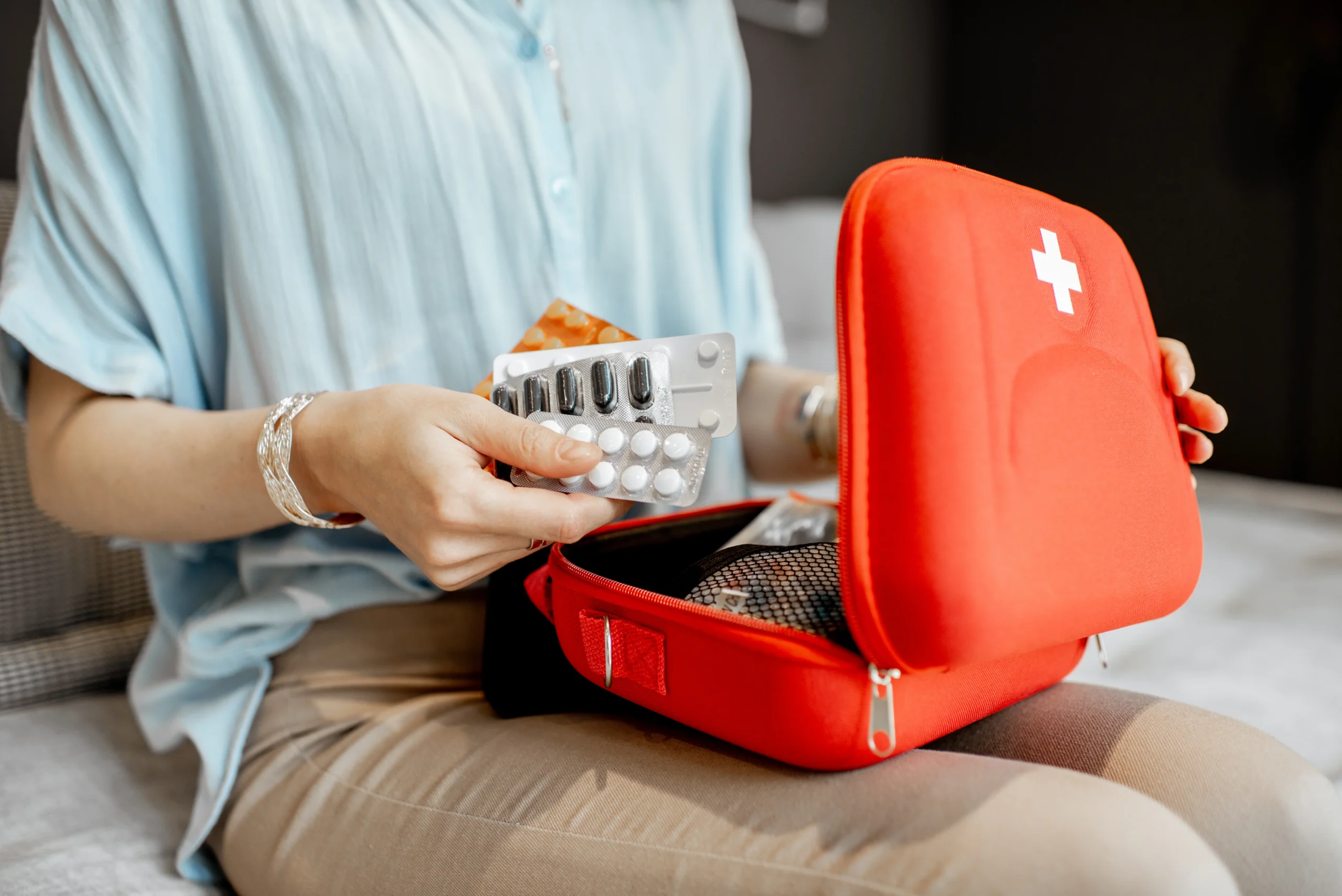

Spring Take Back Day is approaching, but households do not need to wait until the event to sort medications. March is a good time to identify products that are expired, clearly unused, or awaiting clarification and to find a California year-round take-back option if you are ready to dispose of them sooner.
National Prescription Drug Take Back Day gives households a convenient reason to remove unneeded medicines from the home. But the useful work can start before the event: identify what is truly unused, confirm anything uncertain, and separate products that require a different disposal route.
California residents also have year-round options. The California State Board of Pharmacy maintains a searchable list of registered drug-collection receptacles and pharmacies offering mail-back envelopes, so a household does not need to keep an unwanted medicine until a one-day event.
Quick Answer
Before April’s spring Take Back Day, sort medications into three groups: current medicines, medicines that are clearly expired or no longer needed, and medicines whose status is uncertain. Keep current prescriptions in active storage. If an old bottle shows a different strength, different directions or a medicine you think was stopped, keep the label and confirm the status with the pharmacy or prescriber before discarding it. For most unused or expired prescription and OTC medicines, FDA recommends a take-back location or prepaid mail-back option. California’s Board of Pharmacy lists registered pharmacy collection bins and mail-back services. Keep sharps separate, follow product-specific disposal instructions when required, and do not flush medicines as a default disposal method.
Why Identify Unused Medicines Before April
DEA has held National Prescription Drug Take Back Days for years as periodic opportunities to dispose of unneeded medicines. The agency also encourages year-round disposal through authorized collectors rather than waiting for a specific event.
March preparation is useful because identifying an unused medicine can take longer than putting a bottle in a box. Caregivers may need to compare an older prescription with the current list, confirm whether a medication was discontinued, or find a separate disposal route for sharps or another special dosage form.
- Current medicine
- Still part of the active medication plan and should remain in properly labeled, secure storage.
- Ready for disposal
- Expired or confirmed no longer needed and can move into an appropriate take-back or disposal process.
- Needs clarification
- An older strength, conflicting label or uncertain stop date should be checked before it leaves the household.
This keeps Take Back Day from becoming a rushed cabinet purge in which an active medicine is accidentally discarded.
Make Three Sorting Groups—Not One “Old Medicine” Pile
Age alone does not tell you whether a prescription is current. A recently filled medicine may have been discontinued, while an older bottle may be part of a current refill supply. Start with the label and medication list.
- Current.
Keep medicines that match the active medication list and current prescription directions.
- Clearly unused or expired.
Move expired products and medicines confirmed as no longer needed into secure temporary storage while disposal is arranged.
- Needs review.
Set aside prescriptions with unclear strength, directions, treatment status or patient ownership until the pharmacy or prescriber clarifies them.
“Unused” Is a Treatment-Status Question; “Expired” Is a Date Question
A medicine can be unexpired but no longer needed, or expired while a newer prescription for the same medication remains active. Confirm both questions separately.
Confirm Uncertain Prescriptions Before You Dispose of Them
Spring sorting often uncovers older strengths, duplicate-looking bottles or prescriptions from a previous clinician. Do not decide from memory that a medicine was stopped.
Keep the original label available when you ask. The pharmacy can compare the name, strength, directions, refill status and pharmacy record. If the question is whether treatment itself should continue, the prescriber may need to decide.
- Is this strength still active in the pharmacy record?
- Was this prescription replaced by a newer order?
- Does this bottle belong to the current patient and current treatment plan?
- Are the directions on this older label still current?
- Is this product expired even if the prescription itself remains active?
- Does the question need the prescriber rather than the pharmacy to resolve?
Keep the Label Available When a Prescription Looks Uncertain
Las Palmas Pharmacy can help clarify prescription names, strengths, refill status and pharmacy records before an uncertain bottle is removed from the home.
Know What Medication Take-Back Programs Are Designed to Accept
FDA says medicine take-back options are the preferred way to dispose of most unused or expired prescription and nonprescription medicines. Authorized collectors may offer collection kiosks, mail-back programs or other disposal services.
Acceptance can vary by program and dosage form. Some products need their own instructions. FDA specifically advises checking product instructions or asking a healthcare professional when a medicine has an uncommon dosage form or special disposal requirement.
- Prescription medicines
- Most unused or expired prescription medicines are appropriate for an authorized take-back option.
- OTC medicines
- FDA includes most unused or expired nonprescription medicines in its take-back recommendation.
- Special products
- Sharps, inhalers, aerosols and other product types may require separate disposal instructions or collection sites.
California Has Year-Round Take-Back Options
The California State Board of Pharmacy’s search tool lists registered pharmacy collection receptacles and indicates whether a pharmacy offers mail-back envelopes. That means Take Back Day is not the only time Californians can dispose of unneeded medicines.
The Board notes that its search tool shows collection receptacles registered with the Board. It also links to DEA disposal-location searches and separate California sharps resources.
You Do Not Need to Store an Unwanted Medicine Until April
If an appropriate year-round take-back or mail-back option is available, FDA recommends using a take-back route for most unused or expired medicines rather than keeping them in the home solely for a future event.
What Not to Do While Preparing for Take Back Day
A disposal plan should reduce risk without creating a medication or privacy problem.
- Do not discard a prescription whose current status is unclear before confirming what the active medication list should show.
- Do not restart an old medicine because you found it during the sorting process.
- Do not give prescription medicine to another person instead of disposing of it.
- Do not put loose needles, syringes or lancets into an ordinary medication collection bin.
- Do not flush medicines simply because a take-back event has not happened yet.
- Do not leave sorted medications in an open bag or box where children, visitors or pets can reach them.
Prepare the Disposal Group Without Losing Important Information
Keep medicines awaiting disposal secured until they leave the home. Before using a particular collection site, check that site’s instructions because accepted items and packaging requirements can vary.
- Finish all clarification first.
Only move a prescription into the disposal group once its status is clear.
- Keep the disposal group secured.
Store it away from children, pets and anyone for whom the medicine was not prescribed.
- Check the collection-site rules.
Confirm whether the site accepts the dosage form and whether original packaging is requested.
- Handle personal information appropriately.
Follow the collection program’s instructions for labels; for empty packaging discarded separately, remove or obscure identifying information.
- Keep sharps out of the medication bag.
Use a proper sharps container and a collection location that accepts sharps waste.
Six Questions to Ask a Pharmacist Before Medication Disposal
- Is this prescription still active, or was it replaced by another order?
- Is this older bottle the same medicine and strength as the current prescription?
- Does this dosage form require special disposal instructions?
- Does your pharmacy offer a registered take-back bin or mail-back envelope?
- Where should sharps or injection supplies be taken instead?
- Which medication-status question needs the prescriber before anything is discarded?
Frequently Asked Questions
Do I have to wait for Take Back Day to dispose of unused medicine?
No. California’s Board of Pharmacy lists registered year-round collection bins and mail-back services, and FDA recommends using a take-back option for most unused or expired medicines when one is readily available.
How do I know whether an old prescription is truly unused?
Compare the bottle with the current medication list and pharmacy record. If the strength, directions or stop status are unclear, keep the label and ask the pharmacy or prescriber before disposing of it.
Can OTC medicines go to a take-back location?
FDA recommends take-back options for most unused or expired prescription and OTC medicines. Individual collection sites may have their own acceptance instructions, so check the site before arriving.
Can needles or syringes go into a medication take-back bin?
Sharps require separate handling. The California Board of Pharmacy directs consumers to separate sharps-disposal resources rather than ordinary medication collection receptacles.
Should I flush medicine if I cannot find an April event location yet?
No. Do not use flushing as the default. FDA recommends take-back or mail-back first for most medicines and maintains a limited flush list for certain products when a take-back option is not readily available.
Can Las Palmas Pharmacy help me identify what is ready for disposal?
Las Palmas Pharmacy can help clarify prescription names, strengths, refill status and pharmacy records and can discuss available disposal resources. Decisions to stop or restart treatment belong with the appropriate prescriber.
Identify the Medicines Now—Then Use the Right Disposal Route
Take Back Day is more useful when the sorting is already done. Confirm uncertain prescriptions, keep the disposal group secure, and use a California year-round take-back option if you are ready before the spring event.