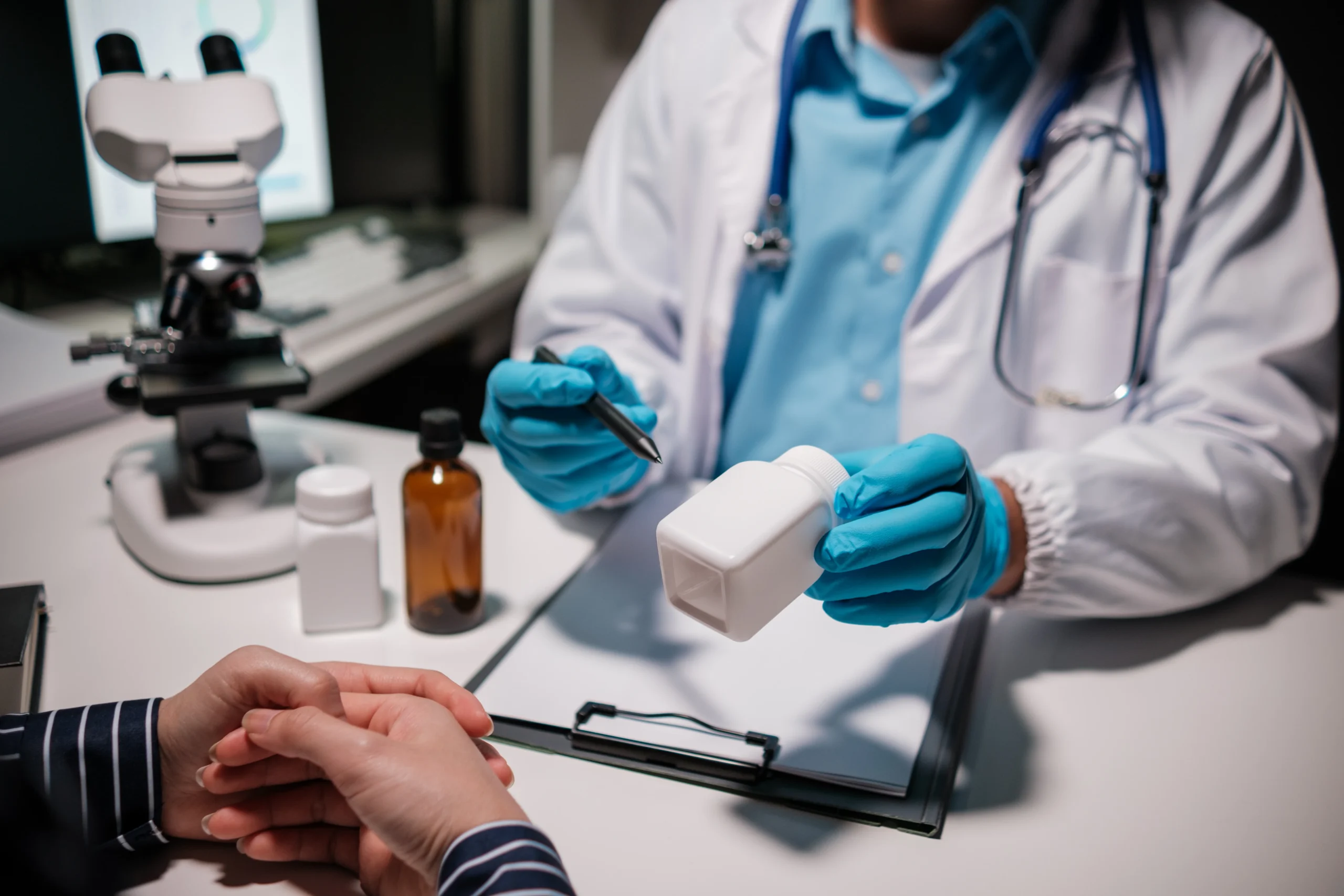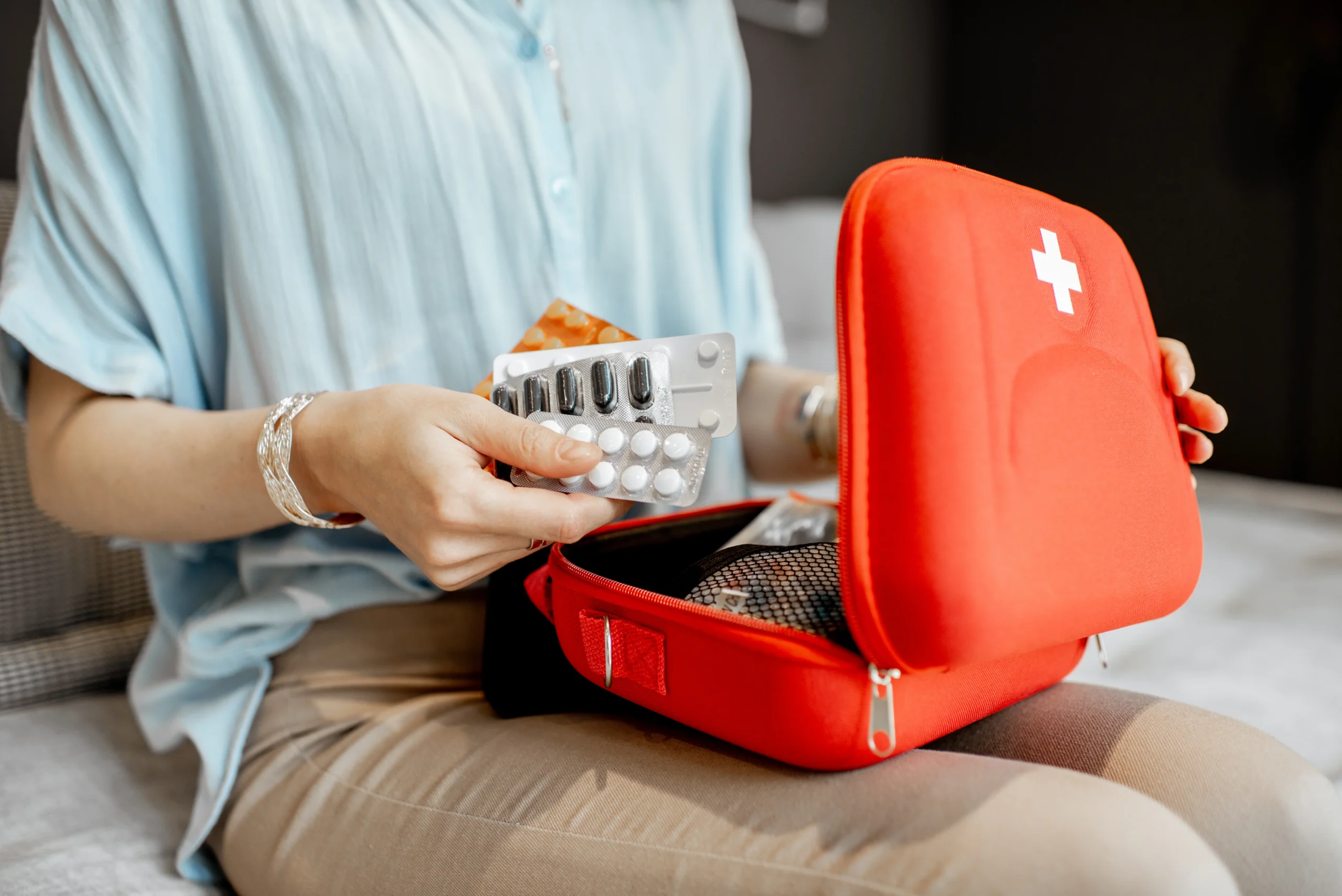
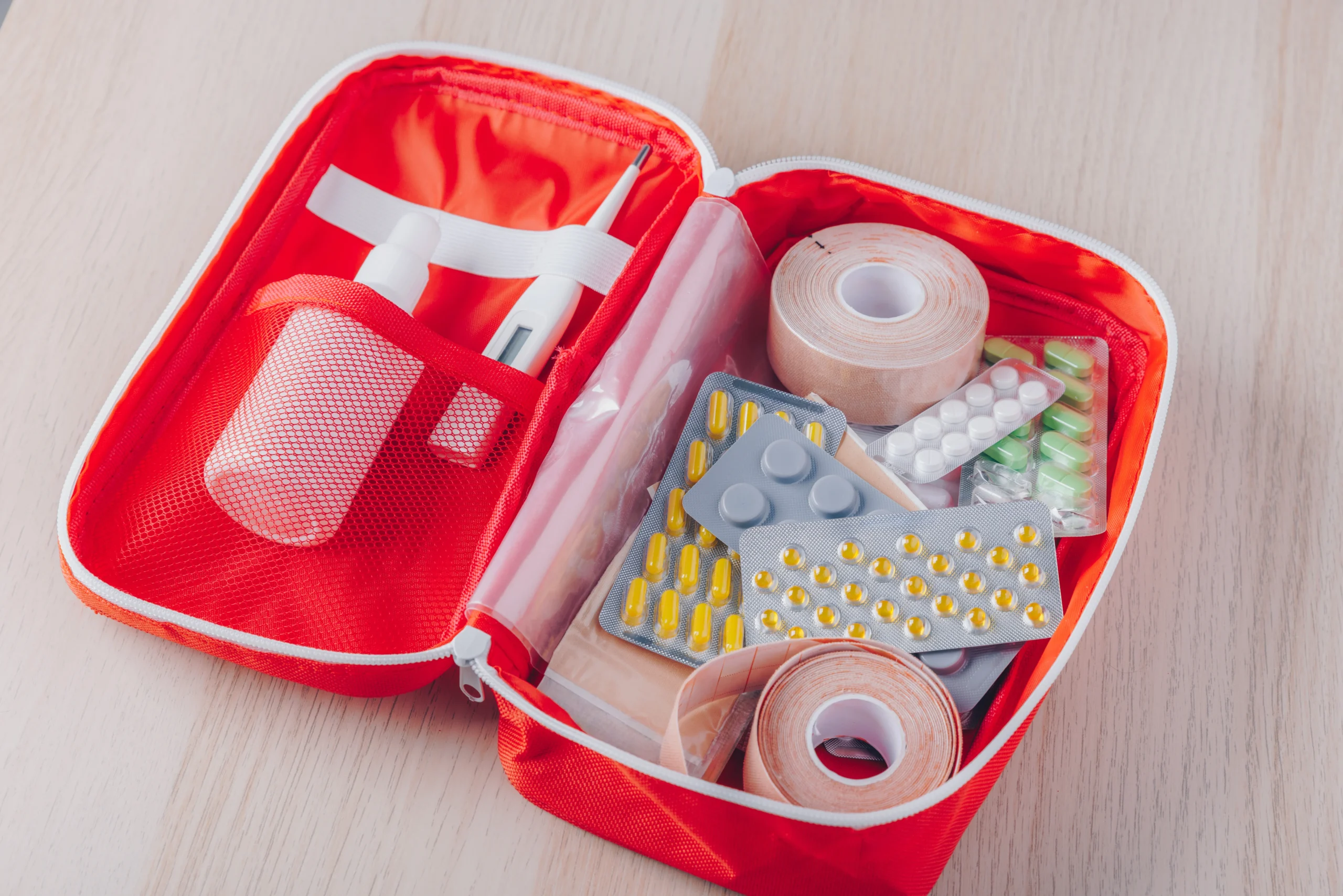
A wildfire evacuation can leave little time to gather prescription bottles, devices, records and contact information. Prepare a portable medication kit before an alert or evacuation order, then keep it current as prescriptions and supplies change.
California wildfire guidance puts prescriptions alongside people, papers and other essentials that should be ready to leave with you. Medication planning matters because an evacuation can separate a household from its usual pharmacy, refrigerator, medical equipment, caregiver records or prescriber contacts.
A useful kit is not a random collection of extra medicine. It is a current, portable set of medications, supplies and information that reflects what the household actually uses and what can legally and safely be obtained. Review it whenever a prescription changes, a product expires, insurance changes, or a caregiver takes over medication management.
Quick Answer
Keep daily prescription medications, needed medical supplies, a current medication list, copies of prescription information, pharmacy and prescriber contacts, insurance information, and instructions for any product that needs refrigeration or special handling together in a portable emergency kit. Rotate medicines before they expire and keep labels readable. If an early refill may be needed, contact the pharmacy before an emergency when possible; coverage, prescription authorization, controlled-substance law and dispensing rules can affect what is available. Never share medication, ration doses, change a dose, or change the schedule to make a supply last longer without direction from the clinician managing the treatment.
Why Prepare Medications Before a Wildfire or Evacuation Alert
CDPH wildfire guidance tells Californians to be ready to evacuate on short notice and to keep an emergency kit with medications, copies of prescriptions and medical supplies. CDPH also emphasizes that an evacuation order comes first: leave immediately when authorities direct you to go.
Preparing in advance reduces the number of decisions made during an active emergency. It also gives patients and caregivers time to identify missing refill information, expired supplies, unreadable labels, medications stored in different rooms, and devices that depend on electricity or replacement batteries.
Daily medicines
Know which current prescriptions need to leave with the patient or caregiver.
Medical supplies
Include supplies needed to use or monitor prescribed treatment.
Current records
Keep a medication list and prescription information where another caregiver can find them.
What to Keep in a Portable Emergency Medication Kit
Start with the prescriptions and medical supplies used in the household now. Keep medicines in their labeled containers when practical so the patient name, medication name, strength, directions and dispensing pharmacy remain available during travel or a handoff.
- Current daily prescription medications that can be lawfully and safely kept on hand.
- Prescription inhalers, injectable supplies, testing supplies, or other prescribed items used with current treatment.
- Necessary over-the-counter products that are part of the household’s usual emergency plan.
- Eyeglasses, hearing-aid batteries, mobility-device supplies, or other health-related items needed during evacuation.
- A small waterproof pouch or document sleeve for medication records, insurance information and emergency contacts.
- A separate plan for pet medications if animals will evacuate with the household.
Check expiration dates periodically. CDPH advises rotating medicines in an emergency kit so expired products do not remain there unnoticed.
Keep Medication Records and Contact Information With the Kit
Medication containers can be lost, separated from a caregiver, or left behind. A written or printed record gives a second source of information if the usual pharmacy is closed or a patient receives care away from home.
- Maintain a current medication list.
Include medication names, strengths, label directions and known medication allergies. Update the list when a prescription changes.
- Add pharmacy information.
Record the pharmacy name, phone number and enough prescription information to help the pharmacy identify the medication record.
- Add prescriber contacts.
Keep names and contact information for clinicians who manage prescriptions that may require authorization during an emergency.
- Include coverage information.
Carry insurance or benefit-plan information that may be needed if a prescription must be processed at another location.
- Make the record usable by a caregiver.
Store it where an authorized caregiver can find it and keep a backup copy in a secure place separate from the main kit.
Plan for Refrigeration, Heat and Medical Equipment Before You Leave
Some prescriptions have special storage requirements. Do not assume every refrigerated medicine can be packed the same way or that every room-temperature product can remain safely in a hot vehicle. Use the medication label and pharmacy instructions for the specific product.
Refrigerated prescription
Ask the pharmacy how the specific product should be transported and what temperature range applies.
Power-dependent device
Know the charging, battery or backup-power needs before an outage or evacuation.
Hot vehicle
Do not use a parked car or trunk as routine medication storage during evacuation stops.
Unknown temperature exposure
Keep the package and ask the dispensing pharmacy to review the exposure before deciding what to do.
For equipment or treatment that depends on electricity, oxygen, dialysis, home health services or another facility, CDPH advises planning backup arrangements and knowing more than one location or service option when possible.
Refill Planning: Check Status Early, but Do Not Assume an Emergency Fill Is Guaranteed
Before high-risk weather or travel season, patients can ask the pharmacy to clarify refill status, remaining refills, pickup timing, transfer options and insurance claim messages. If a prescription needs a new authorization, the pharmacy may need to contact the prescriber or direct the patient to the prescribing office.
Controlled medications require extra care. An emergency declaration or evacuation does not give a pharmacy permission to ignore federal or California controlled-substance requirements, change quantities, or guarantee an early dispensing. Insurance plans can also limit when a claim will pay.
When an Evacuation Order Comes, Take the Kit and Leave
CDPH and Ready.gov guidance is clear that prescriptions belong among essential evacuation items, but personal safety comes first. If authorities order evacuation, leave immediately rather than spending extra time searching for nonessential items.
- Take the portable medication kit, medication list, prescription information and required medical supplies.
- Take refrigerated medication using the product-specific transport method already discussed with the pharmacy or clinician.
- Bring chargers, batteries or backup supplies for medical devices when they are part of the established emergency plan.
- Keep medication with the patient or responsible caregiver rather than in unattended luggage or a hot parked vehicle.
- If the usual pharmacy is closed or unreachable, use the medication record to explain what is needed to another pharmacy or clinician.
- For severe symptoms or an immediate medical emergency, call 911 or seek appropriate emergency care rather than waiting for a routine pharmacy response.
Frequently Asked Questions
How much prescription medication should I keep for an evacuation?
There is no single amount that fits every prescription. The amount available can depend on refill timing, prescription authorization, insurance rules, medication type and controlled-substance requirements. CDPH advises including daily prescription medications in the emergency kit. Ask the pharmacy and prescriber ahead of time what is appropriate and legally available for your prescriptions.
Should I keep medicines in their original pharmacy bottles?
Keeping medications in clearly labeled containers is useful during an evacuation because the label identifies the patient, medication, strength, directions and dispensing pharmacy. If you use another organizer as part of your normal routine, keep a current medication list and prescription information with the emergency kit.
What records should a caregiver carry during an evacuation?
Keep a current medication list, medication allergies, pharmacy contact information, prescriber contacts, insurance information and copies of relevant prescription information. CDPH also recommends that seniors and people with disabilities keep lists of medications, doctors and emergency contacts with preparedness supplies.
What should I do with medication that normally stays refrigerated?
Use the storage and transport instructions for that specific product. Ask the pharmacy before an emergency how it should be moved during a power outage or evacuation. Do not assume a household cooler or loose ice is appropriate for every refrigerated prescription.
Can a pharmacy automatically refill a controlled medication early during a wildfire?
No early fill should be assumed. Controlled medications remain subject to prescription, legal and dispensing requirements, and insurance rules may also apply. Contact the pharmacy and prescriber as early as possible if evacuation may affect the next refill.
What if I have to leave before I can gather all my medications?
Follow the evacuation order and leave. Once you are in a safe place, contact the pharmacy, prescriber, health plan or appropriate emergency resource with the medication information you have. Do not return to an unsafe or restricted area solely to retrieve medicine.
Review Your Emergency Medication Plan Before You Need It
Las Palmas Pharmacy can clarify prescription labels, refill status, remaining refills, storage and handling, transfers, pickup and pharmacy service availability. Prescribing and treatment decisions remain with the clinician managing your care.