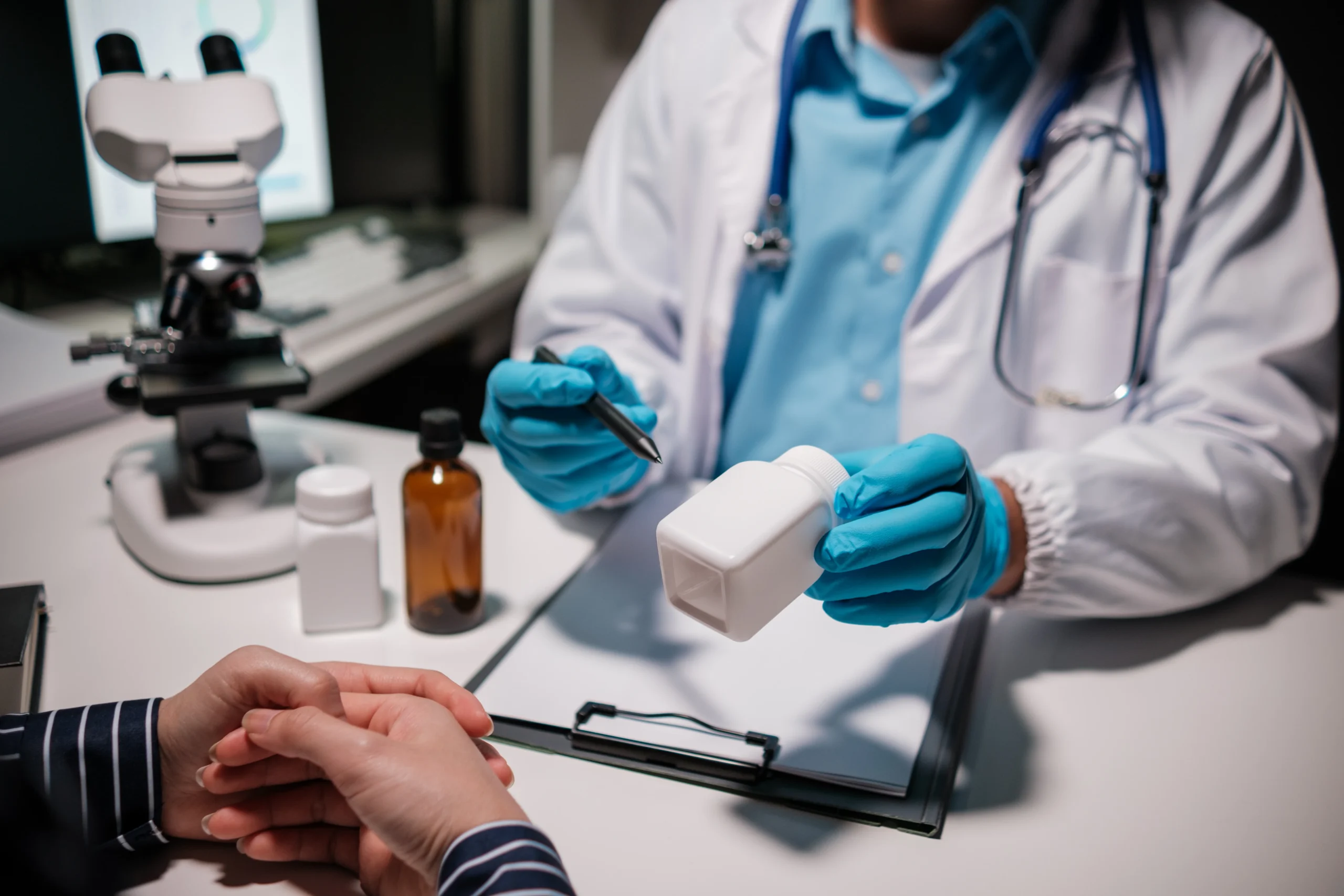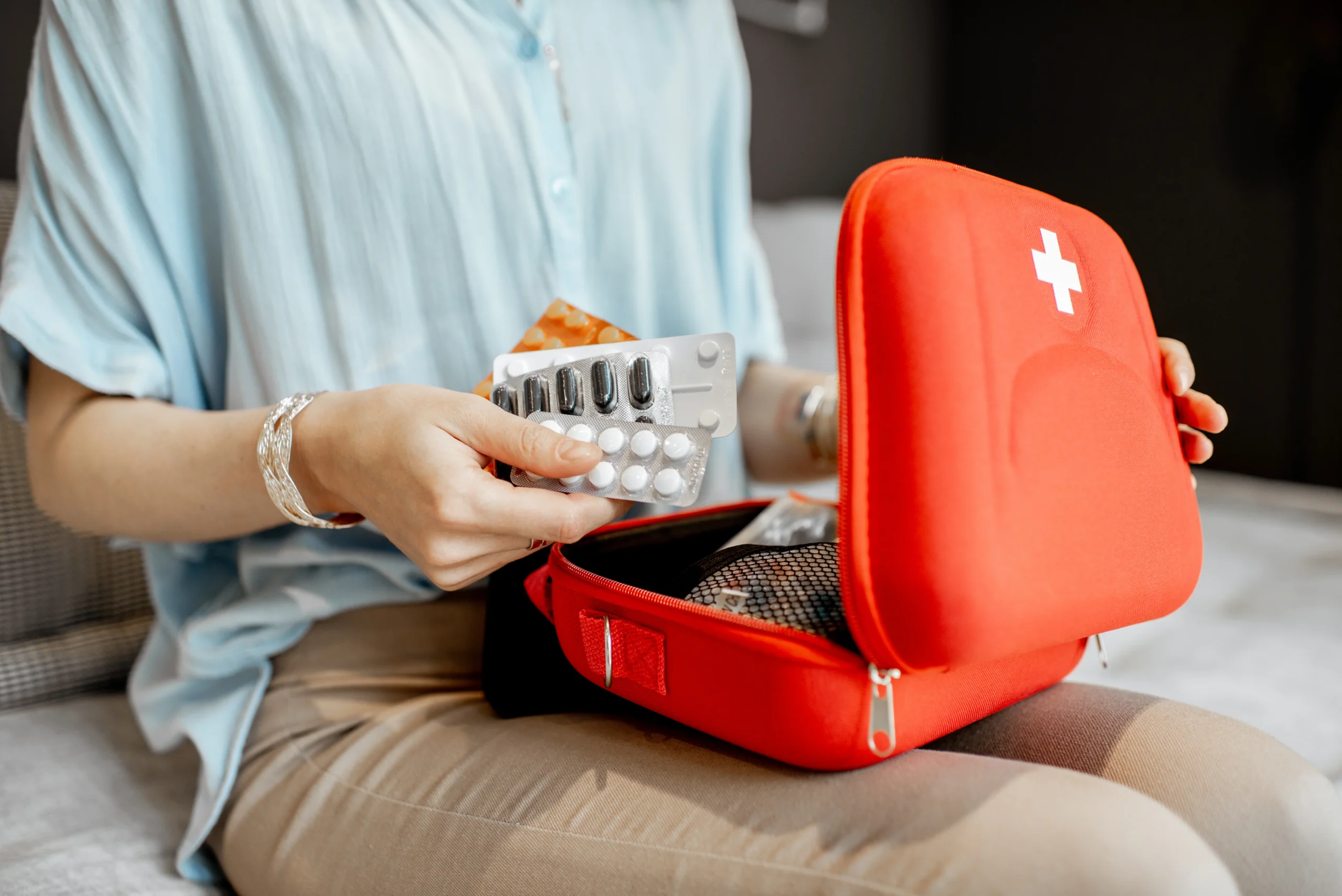
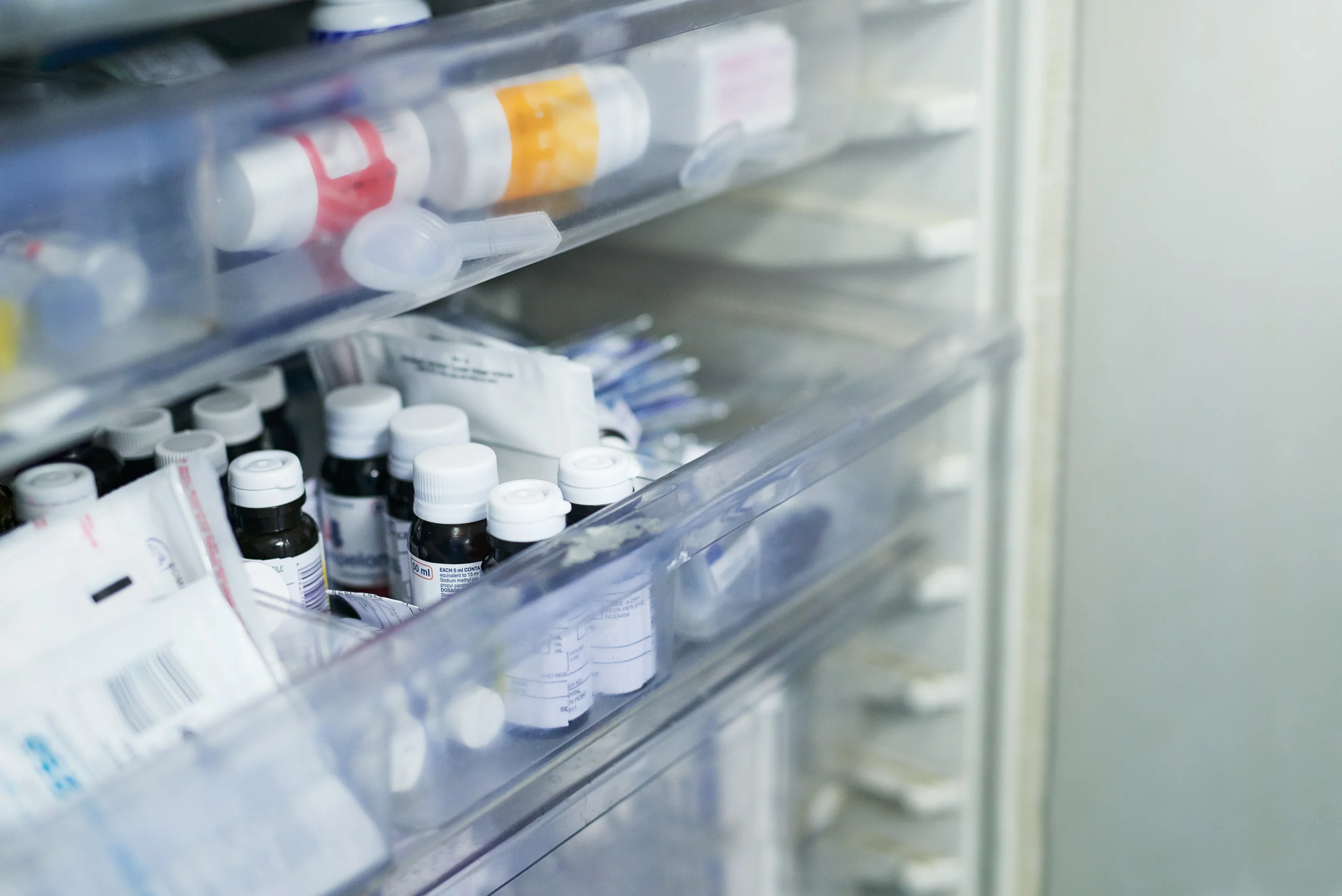
Hot weather can turn ordinary storage spots into poor places for medicine. Use the label and pharmacy instructions to decide what belongs at room temperature, what needs refrigeration, and what to do after possible heat exposure.
Medication storage becomes easier to overlook when California temperatures rise. A bottle may be left in a parked car after an appointment, a prescription package may sit outside after delivery, or a household may move medicine into the refrigerator simply because the room feels hot.
Those choices are not interchangeable. Drug stability is tied to the storage conditions tested for that specific product. The safest household rule is to follow the prescription label, manufacturer information, and pharmacy instructions rather than using one temperature rule for every medicine.
Quick Answer
Keep medicines away from excessive heat, direct sunlight, and moisture, and follow the storage directions for the specific product. Do not leave medicine in a parked car. A mailbox, porch box, or doorstep is not a climate-controlled storage location, so retrieve delivered prescriptions promptly. Do not refrigerate a medicine unless its label or pharmacy instructions call for refrigeration. If you think a prescription became too hot, too cold, or was left outside longer than expected, keep the package and contact the dispensing pharmacy for product-specific guidance before deciding whether it can still be used.
Why California Heat Changes Medication Storage Planning
FDA explains that expiration dates assume a medicine has been stored under its labeled conditions. Heat, moisture, light, and other storage problems can affect a product before the printed expiration date. That is why a medicine that is technically “in date” can still raise a storage question after a temperature excursion.
California Department of Public Health guidance for health care facilities makes the same basic point: medications should be stored at the temperatures specified by the manufacturer, and refrigerated products need controlled cold storage. Household storage is less formal than facility storage, but the product-specific principle still applies.
Room-temperature medicine
Follow the label and avoid excessive heat, moisture, and direct sunlight.
Refrigerated medicine
Keep it within the labeled refrigerated range and follow pharmacy handling instructions.
Unknown exposure
Ask the dispensing pharmacy to review the product, duration, and likely temperature exposure.
Cars: Treat Parked Vehicles as a High-Risk Storage Place
MedlinePlus advises against keeping medicine in a vehicle glove compartment because medicines can become too hot, too cold, or damp. FDA also advises avoiding extreme high and low temperatures and specifically warns against leaving medicines in a car during summer or winter.
A short errand can become a storage problem when a prescription remains inside a parked vehicle. The cabin, center console, trunk, and glove compartment are not controlled storage spaces. Direct sun can add another source of heat, especially for items left on a seat or dashboard.
Take the prescription with you instead of leaving it in the parked vehicle.
Keep medicine out of direct sunlight while traveling.
If refrigeration is required, use the handling method provided by the pharmacy or manufacturer.
If the medicine was forgotten in the car, note roughly how long it was there before calling the pharmacy.
Do not try to “correct” a heat exposure by freezing or rapidly chilling the product unless the label specifically directs that type of storage. A temperature excursion cannot be evaluated just by making the package cold again.
Mailboxes and Deliveries: Retrieve Prescriptions Promptly
FDA says improper storage can reduce medicine quality and that products can be affected by storage without necessary temperature controls. A residential mailbox, porch, parcel locker, or doorstep is not a controlled medication-storage area, so a delivered prescription should be brought indoors as soon as practical.
For ordinary room-temperature medicines, check the package for damage and read the storage directions once it is inside. For temperature-sensitive shipments, use the pharmacy’s shipping and unpacking instructions. The condition of an ice pack by itself does not establish whether a particular medicine remained within its allowed range.
Before delivery
Track the shipment when possible and plan for prompt retrieval on hotter days.
At the door
Look for damaged packaging, leaks, broken seals, or an unexpectedly hot or cold package.
If uncertain
Keep the packaging and contact the dispensing pharmacy before making a use-or-discard decision.
If a delivery arrives when you are away, ask the dispensing pharmacy what delivery options are available for future fills. Depending on the prescription and service, a different delivery day, pickup arrangement, or other pharmacy workflow may be available.
Storage Question
Have the Label and Package Available When You Call
That helps the pharmacy check the exact product, storage statement, fill information, and what happened during the suspected temperature exposure.
Refrigerators: Use Cold Storage Only When the Medicine Requires It
Putting every medicine in the refrigerator during hot weather is not recommended. FDA advises keeping medicines out of the refrigerator unless the label, pharmacist, or clinician says refrigeration is required. Some medicines are meant to stay at room temperature, and unnecessary cold exposure can create its own storage problem.
For medicines that do require refrigeration, CDPH guidance for health care facilities uses 36°F to 46°F (2°C to 8°C) as the expected refrigerated range and stresses following manufacturer requirements. A patient should still use the exact storage statement supplied with the medicine because product instructions can be more specific.
Do not place medicine next to a freezer compartment or move it into a freezer unless the instructions specifically require frozen storage. If a refrigerated medicine accidentally freezes or spends time outside its required range, contact the dispensing pharmacy for guidance based on that product.
What to Do After Possible Heat or Cold Exposure
A suspected storage problem does not have one universal answer. Stability can depend on the medication, formulation, package, temperature reached, and how long the exposure lasted. That is why guessing from appearance alone is not enough.
- Move the medicine to its labeled storage environment.
Do not freeze, heat, or otherwise try to reverse the exposure unless the product instructions direct it.
- Keep the original container and shipping materials.
The pharmacy may need the product name, lot information, package type, or delivery details.
- Write down what happened.
Estimate when the medicine was placed in the car, mailbox, porch area, or other location and when it was retrieved.
- Call the dispensing pharmacy.
Ask whether the product can still be used or whether the pharmacy needs to check manufacturer stability information.
- Do not change the treatment schedule on your own.
If a dose is due before the storage question is resolved, ask the pharmacist or prescriber what to do. Do not double a later dose to make up for a missed one unless specifically instructed.
If someone has severe symptoms or you believe there is an immediate medical emergency, seek emergency care or call 911.
A Heat-Week Medication Storage Checklist for California Households
A few checks before a stretch of hot weather can prevent last-minute storage problems, especially when a household uses refrigerated medicines or receives prescriptions by delivery.
- Read each prescription label and separate medicines that require refrigeration from those stored at room temperature.
- Choose an indoor, dry storage location away from direct sunlight, hot appliances, sinks, and bathrooms unless the product instructions say otherwise.
- Keep medicines out of parked cars, trunks, glove compartments, and other vehicle storage areas.
- Track prescription deliveries when possible and arrange for prompt retrieval from the mailbox, parcel locker, porch, or doorstep.
- For refrigerated prescriptions, know the labeled temperature requirement and what the pharmacy recommends during travel or a power outage.
- Keep the dispensing pharmacy’s phone number available so a temperature-exposure question can be checked against the specific product.
Frequently Asked Questions
Can I leave prescription medicine in the car for a short time?
It is better not to use a parked vehicle as medication storage. FDA and MedlinePlus advise keeping medicines away from extreme temperatures, and MedlinePlus specifically warns against storing them in a glove compartment. If a prescription was left in a hot or cold car, contact the dispensing pharmacy with the medication name and approximate exposure time.
What should I do if a prescription sat in a hot mailbox?
Bring the package indoors, keep the original packaging, and read the storage instructions. If the medicine or package seems unusually hot, the delivery sat outside for an extended period, or the product has special temperature requirements, contact the dispensing pharmacy before deciding whether it remains usable.
Should I refrigerate all my medicines during a heat wave?
No. FDA advises refrigerating medicine only when the label, pharmacist, or clinician directs it. Some medicines are intended for room-temperature storage and may be harmed by unnecessary cold exposure.
What temperature should refrigerated medicine be kept at?
The exact answer comes from the product’s label and manufacturer instructions. CDPH guidance for health care facilities uses 36°F to 46°F (2°C to 8°C) for medications requiring refrigeration, but some products can have additional or narrower storage requirements.
Can I tell by looking at a medicine whether heat damaged it?
Not always. A visible change such as altered color, texture, leakage, or damaged packaging is a reason to contact the pharmacy, but a product can also have a storage concern without an obvious appearance change. The pharmacist can check product-specific stability information.
What if my refrigerated prescription arrives and the cold pack is no longer frozen?
The cold pack alone does not determine whether the medicine stayed within its allowed range. Keep the shipment and packaging together and contact the dispensing pharmacy. The pharmacy can review the specific medicine, shipping method, expected transit conditions, and manufacturer storage information.
Questions About Heat Exposure or Prescription Storage?
Las Palmas Pharmacy can help clarify label storage directions, delivery questions, refill status, pickup, transfer, and possible temperature exposure. Treatment changes should be discussed with the prescriber managing your care.