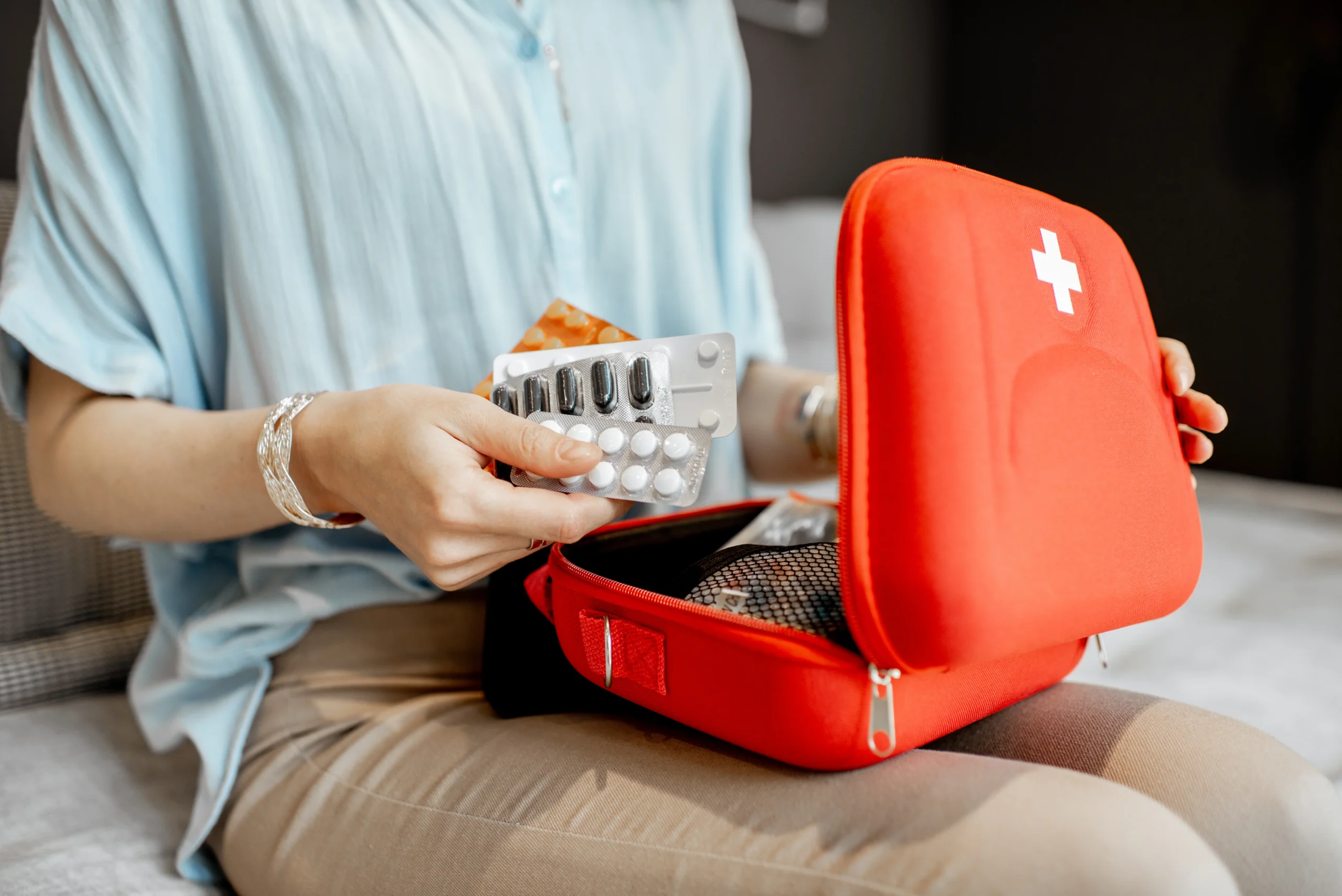

A trip is easier to manage when the medication plan is organized before departure. For an older adult taking several prescriptions, pack one current medication list, the right contact numbers, enough labeled medicine for the planned trip, and a clear plan for refills, storage and insurance questions.
Older adults often manage several medicines at once, sometimes from more than one prescriber. A spring trip can add new variables: earlier mornings, long drives, airport screening, hotel storage, time-zone changes, delayed return dates and pharmacies that are outside the usual insurance network.
The safest travel preparation is not to redesign the treatment schedule. It is to make the existing plan portable. Bring enough verified information that a caregiver, pharmacist or clinician can quickly understand what the traveler normally takes and who manages each prescription.
Quick Answer
Before spring travel with an older adult, prepare one current medication list with all prescriptions, OTC medicines, vitamins and supplements. Include the names and phone numbers of the prescribers and home pharmacy. Confirm refill status early and ask the insurance plan about any limits or pharmacy-network rules that could matter during the trip. Keep medicines in clearly labeled containers and, when flying, carry them with you instead of relying on checked baggage. Bring enough medication for the planned trip plus an appropriate extra supply if the prescriber, pharmacy and insurance plan permit it. Follow the label for temperature and storage. If the trip is extended, medicine is lost, or a dose schedule becomes unclear, contact the pharmacy, prescriber or health plan rather than stretching, doubling or otherwise changing the prescription on your own.
Why Spring Travel Creates a Medication-Planning Need
NIA notes that older adults often take multiple medicines and may be more likely to experience medication problems when schedules, food, routines or travel conditions change. Its travel guidance recommends asking a doctor or pharmacist about any needed schedule adjustments before departure.
Travel also separates the patient from the normal medicine cabinet, prescriber office and pharmacy counter. A caregiver who can normally check a bottle at home may suddenly need the same information in an airport, hotel or roadside stop.
- Routine changes
- Meals, sleep, activity and departure times can shift without changing the prescription directions.
- Distance from the home pharmacy
- Refill or replacement questions may take longer to resolve when the usual pharmacy is far away.
- Travel delays
- A canceled flight, weather delay or extended family visit can make a barely sufficient supply become a problem.
A good travel plan therefore starts before packing day, especially when several prescriptions, refrigerated medicines, specialty medicines or insurance restrictions are involved.
Pack One Current Medication List for the Traveler and Caregiver
NIA specifically advises travelers to carry a list of all prescription drugs, OTC medicines and supplements. FDA likewise recommends a medication list that includes the medicine name, strength, purpose and instructions and says a copy should stay with the patient.
For travel, add a few practical fields that help if a pharmacy or clinician needs to understand the regimen away from home.
- Medication name and strength.
Copy the exact information from the current pharmacy label rather than relying on memory.
- Current directions.
Record what the label says so the caregiver does not reconstruct the schedule from habit.
- Prescriber.
Identify which clinician manages each prescription when several offices are involved.
- Home pharmacy.
Keep the pharmacy name and phone number with the medication record.
- Allergies and emergency contact.
Keep important allergy and caregiver contact information with the travel record.
Keep a physical copy with the traveler and a second copy with the caregiver. A secure digital copy can be useful as a backup, but it should not be the only version if the phone is lost, locked or out of power.
Bring Prescriber and Pharmacy Contact Information—Not Just the Medication Names
NIA recommends carrying the phone numbers of doctors and pharmacists when traveling. Those contact details can save time if the traveler needs a refill clarification, loses a medicine, or receives medical care away from home.
For an older adult with several prescribers, match each prescription to the office that manages it. A general physician list is less useful if no one knows which clinician should answer a specific medication question.
Medication List + Contact List = Faster Handoffs
The medication record explains what the traveler normally uses. The contact list shows who can verify a prescription, treatment plan or refill when the trip does not go as expected.
Check Refill Status Before the Suitcase Is Packed
NIA advises taking enough medication in case travel lasts longer than planned. CDC also recommends bringing enough medicine for the entire trip plus extra in case of delays. That does not mean every prescription can simply be filled early.
Insurance limits, refill timing, prescription expiration, remaining refills and medication-specific rules can affect whether an additional supply can be dispensed. Start the conversation early enough to identify those issues before departure.
- How many refills remain on each prescription?
- Will the current supply last through the planned return date?
- Does the insurance plan allow an early or vacation fill in this situation?
- Does a new prescription need to come from the prescriber before travel?
- Is any medicine normally supplied by mail order or a specialty pharmacy?
- What should the caregiver do if the trip is unexpectedly extended?
Check Refill Status While There Is Still Time to Fix a Problem
Las Palmas Pharmacy can review refill status, prescription labels, pickup timing, transfers and pharmacy-record questions before the traveler leaves.
Keep Prescription Labels and Travel Information Together
CDC recommends traveling with medicines in original, clearly labeled containers. The label helps identify the patient, medicine, strength, prescriber and dispensing pharmacy and can make questions easier to resolve during travel.
For air travel, TSA permits medications in pill, liquid and other solid forms through security screening. Medically necessary liquids can be carried in quantities over the normal 3.4-ounce limit, but they may need separate screening.
- Carry-on bag
- NIA and CDC advise keeping medicines with the traveler instead of relying on checked baggage.
- Original labels
- Keep prescriptions clearly identified rather than transferring mixed medicines into unlabeled travel containers.
- Medical supplies
- For liquids, cooling accessories or injection supplies, review TSA and carrier rules before arriving at the airport.
A pill organizer may still be useful for the traveler’s routine, but keep the prescription labels and medication list available so the medicines inside the organizer can be identified accurately.
Plan for Heat, Refrigeration and Other Storage Conditions
NIA advises asking about special storage instructions and keeping medicines away from heat and direct sunlight while traveling. CDC also tells travelers to check whether a medicine needs refrigeration and notes that extreme temperatures can affect many medicines.
Do not improvise a cooling method without checking the product instructions. Freezing can be as problematic as excess heat for some medicines.
- Road travel
- Do not leave medicines in a parked vehicle or another hot storage area unless the product instructions specifically permit it.
- Air travel
- If cooling packs or medically necessary liquids are needed, review TSA screening requirements in advance.
- Hotel or rental stay
- Confirm whether appropriate refrigeration or secure storage is available before arrival when a medicine requires it.
Check Insurance and Destination Pharmacy Options Before You Need Them
CDC advises travelers with chronic conditions to review insurance coverage before travel and notes that some insurance plans may limit the amount of medicine paid for at one time. That makes the health plan an important contact when an older adult may need an early fill, destination refill or out-of-area pharmacy.
Before leaving, identify at least one pharmacy near the destination that appears to participate in the traveler’s current pharmacy network, then confirm that information with the health plan. Network listings and pharmacy participation can change.
A Pharmacy Can Be Open and Licensed but Still Be Out of Network
Refill eligibility, plan-network status and prescription transfer rules are separate questions. Confirm them before relying on a destination pharmacy.
What to Do if the Trip Is Delayed, Extended or the Medicine Is Lost
Unexpected travel changes should trigger a phone call, not a change in how the medicine is taken. Do not stretch doses to make the supply last longer, double a later dose to compensate, or substitute an older bottle without professional guidance.
If the trip is extended, contact the home pharmacy and insurance plan while medication remains. If the prescription requires a new order, contact the prescriber. If medicine is lost or damaged, provide the exact medication name, strength and prescription information so the pharmacy and plan can explain the available next steps.
- 01Contact the home pharmacy.
Ask about refill status, transfer options and what information a destination pharmacy may need.
- 02Contact the health plan.
Ask what network, vacation or lost-medication rules apply to the member’s benefit.
- 03Contact the prescriber when required.
A new prescription or treatment decision may need to come from the clinician who manages the medicine.
- 04Keep taking medicine only as directed.
Travel disruption does not authorize changing the dose, frequency or intended use on your own.
Six Questions to Ask Before Traveling With an Older Adult
Will the current prescription supply last through the return date with a reasonable delay margin?
Which prescriptions have refills remaining, and which may need a new order before departure?
Does any medicine require refrigeration, protection from heat or another special storage condition?
Which prescriber should be contacted for each prescription if a problem occurs away from home?
Which destination pharmacies are in the traveler’s insurance network?
If travel is delayed or medicine is lost, who should the caregiver call first?
Frequently Asked Questions
What medication information should an older adult carry while traveling?
Carry a current list of prescription medicines, OTC products, vitamins and supplements, plus the names and phone numbers of doctors and pharmacists. Include medication names, strengths and current directions.
Should medicines go in checked luggage when flying?
NIA and CDC recommend carrying medicines with you rather than placing them in checked baggage, where they could become unavailable if luggage is delayed or lost.
Can an older adult get an early refill just because of travel?
Not automatically. Remaining refills, prescription status, insurance rules and medication-specific requirements can affect whether an early or vacation fill is available. Ask the pharmacy and health plan before departure.
What if a medicine needs refrigeration during travel?
Follow the product-specific storage instructions and ask the pharmacy how to handle the trip. For air travel, review TSA rules for medically necessary liquids and cooling accessories before arriving at the airport.
Should medication times change when traveling to another time zone?
Do not change the schedule on your own. NIA advises asking the doctor or pharmacist about schedule adjustments before departure because the answer depends on the specific medicine and directions.
Can Las Palmas Pharmacy help if travel plans change?
Las Palmas Pharmacy can help with refill status, prescription labels, transfers, pharmacy records and pickup questions. Insurance-plan rules and treatment changes may require the health plan or prescriber.
Pack the Medication Plan Before You Pack the Suitcase
A current medication list, the right phone numbers, enough labeled medicine, and a clear refill and storage plan can prevent travel delays from becoming prescription problems.