If you help a parent, spouse or other family member manage prescriptions, Medicare Open Enrollment is the time to check whether their 2026 drug coverage still fits the medications they actually use.
Medication safety during the holidays is not only about curious toddlers. FDA specifically warns that opioid pain medicines should be stored where they are not accessible to other people, including visitors to the home. At the same time, CDC reminds families that purses, coats, backpacks and travel bags can bring medicines within reach of young children.
Quick Answer
Before visitors arrive, move controlled substances and other medicines that could cause serious harm into secure storage that is out of sight and inaccessible to children, teenagers and other guests. FDA specifically advises secure storage of opioid pain medicines in a location not accessible to home visitors. CDC recommends keeping all medicines, vitamins and supplements up and away from young children and asking guests to secure purses, coats and bags that contain medicine. Promptly dispose of unused medicines through an appropriate take-back or disposal option.
Why Visitors Change the Medication-Safety Picture
A storage place can be safe for the usual household and unsafe when guests arrive. Children may explore unfamiliar rooms, teenagers may have access to bathrooms or bedrooms, and visitors may carry medicines in purses or backpacks that are left on the floor or a chair.
The safest approach is to reassess access before guests arrive instead of assuming that a child-resistant cap or closed drawer is enough.
Controlled and High-Risk Medicines Deserve Secure Storage
FDA advises people taking opioid pain medicines to store them securely, out of sight and reach of children and pets, and in a location not accessible to others, including visitors. A locked box, locked cabinet or other secure location can reduce casual access.
The same practical reasoning can apply to other medicines that could cause serious harm if taken by the wrong person. Ask the pharmacist whether a specific product has special storage needs before moving it to a different location.
Naloxone Should Remain Accessible
If naloxone is kept in the home for an opioid overdose emergency, do not lock it away with the opioid. FDA guidance distinguishes secure opioid storage from keeping an opioid-reversal medicine accessible for emergencies.
Ask Guests to Secure Medicines in Purses, Coats and Travel Bags
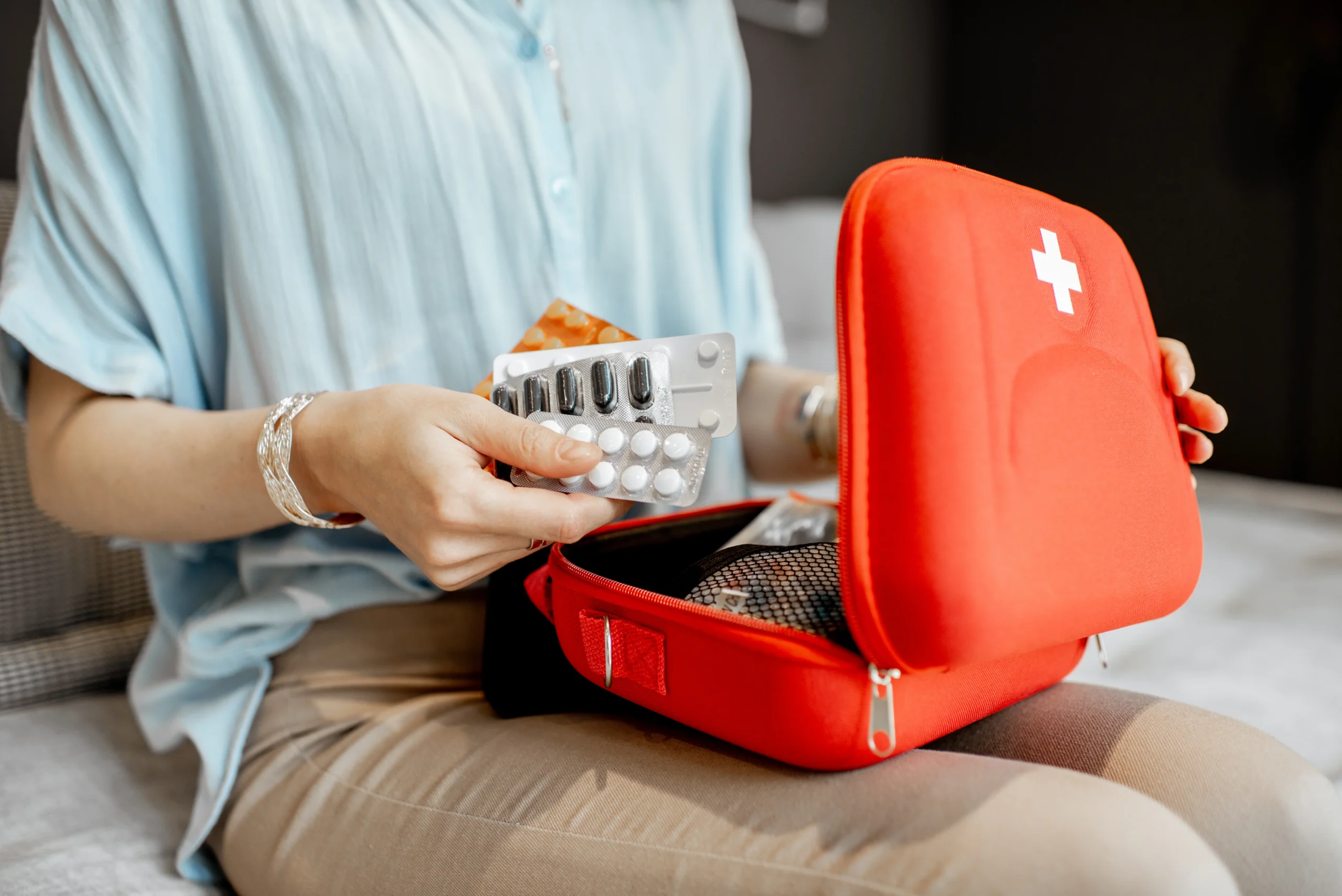
CDC’s Up and Away campaign specifically tells families to remind babysitters, houseguests and visitors to keep purses, bags and coats containing medicines up and away and out of sight of young children. A visitor’s weekly pill organizer can be just as accessible as medicine stored by the household.
Choose a secure guest storage area before visitors arrive.
Keep purses, backpacks and coats with medicine off floors, beds and low furniture.
Relock child-resistant caps after every use.
Do not call medicine candy or leave gummy medicines where children can see them.
Sweep floors and check low surfaces for dropped pills after guests arrive or leave.
Keep the Poison Help number, 1-800-222-1222, available to caregivers.
Unused Controlled Medicines Should Not Stay in the Home “Just in Case”
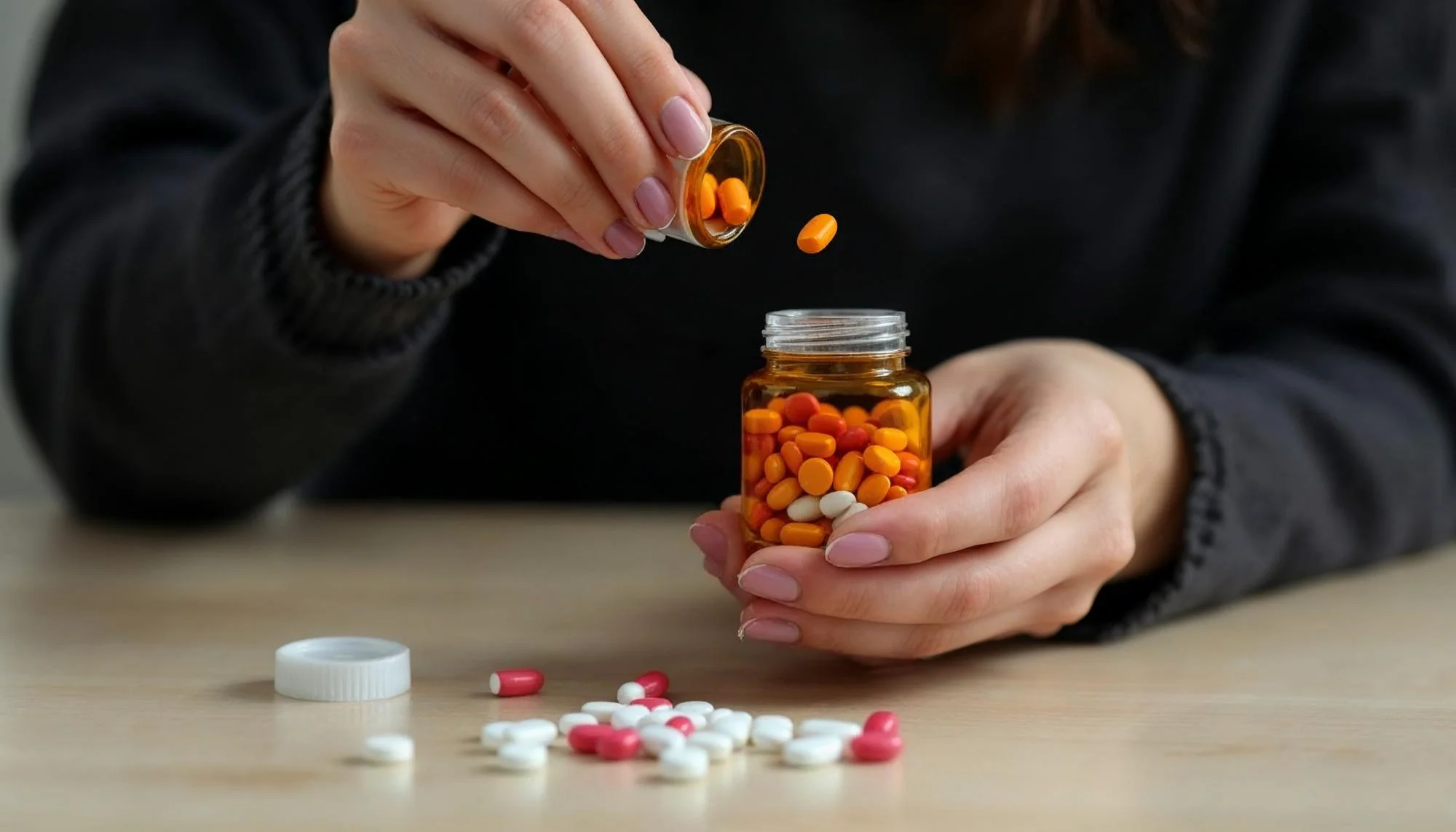
FDA advises prompt disposal of unused or expired opioid medicines and recommends drug take-back options when available. Keeping an old opioid prescription in a bathroom, bedside drawer or unsecured cabinet creates unnecessary access risk.
Use a pharmacy, law-enforcement or other authorized take-back option when one is available. If there is no take-back option, follow FDA disposal instructions for the specific medicine rather than creating a home method from memory.
Six Storage Questions to Ask Before Holiday Guests Arrive
- Are controlled medicines stored where visitors cannot access them?
- Can young children see or reach any medicine, vitamin or gummy supplement?
- Do guest bags and coats have a secure storage place?
- Are unused opioid or other high-risk medicines still sitting in drawers or cabinets?
- Is naloxone accessible if it has been recommended for the household?
- Does everyone know the Poison Help number and when to call 911?
Safe Storage
Ask about the prescription before changing its storage location.
Las Palmas Pharmacy can clarify the labeled storage directions for prescriptions it dispenses and help identify safe disposal resources for unused medicines.
If a Child or Visitor May Have Taken a Medicine
Do not wait for symptoms or try to make the person vomit unless a poison-control professional tells you to. CDC’s Up and Away materials advise calling Poison Help at 1-800-222-1222 right away if you think a child may have gotten into a medicine, vitamin or supplement, even if you are not completely sure.
Call 911 immediately for severe symptoms such as difficulty breathing, unresponsiveness or another life-threatening emergency. If an opioid exposure is suspected and naloxone is available, follow its instructions while emergency help is being obtained.
Frequently Asked Questions
Should opioid pain medicine be locked when guests are visiting?
FDA advises storing opioid pain medicines securely in a location not accessible to others, including visitors to the home. A locked cabinet or lockbox can be a practical way to restrict access.
Are child-resistant caps enough to protect young visitors?
No. Child-resistant packaging is an added safety layer, not a substitute for storage. CDC recommends keeping medicines up and away and out of sight and relocking safety caps after every use.
What should guests do with medicines in purses or bags?
Ask guests to place purses, backpacks, coats and travel bags containing medicine in a secure place that children cannot see or reach. CDC specifically includes houseguests and visitors in its medication-storage guidance.
Should unused controlled medication stay in the house in case it is needed later?
Do not keep unused opioid medicine solely “just in case.” FDA recommends prompt safe disposal when the medicine is no longer needed. Use an authorized take-back option when available or follow FDA disposal instructions for the specific product.
Should naloxone be locked with opioid medication?
No. FDA has advised that opioids should be locked up while naloxone should remain accessible in an overdose emergency. Household members should know where it is and how to use it if it has been recommended or obtained.
What should I do if I think a child swallowed medicine?
Call Poison Help at 1-800-222-1222 promptly, even if you are not completely sure an exposure occurred. Call 911 for life-threatening symptoms such as severe breathing problems or inability to wake the person.
Make Secure Medication Storage Part of Holiday Setup
Before guests arrive, check the bathroom, bedroom, kitchen and guest-bag areas where medicines may be accessible. Ask Las Palmas Pharmacy about labeled storage or disposal questions for prescriptions it dispenses.