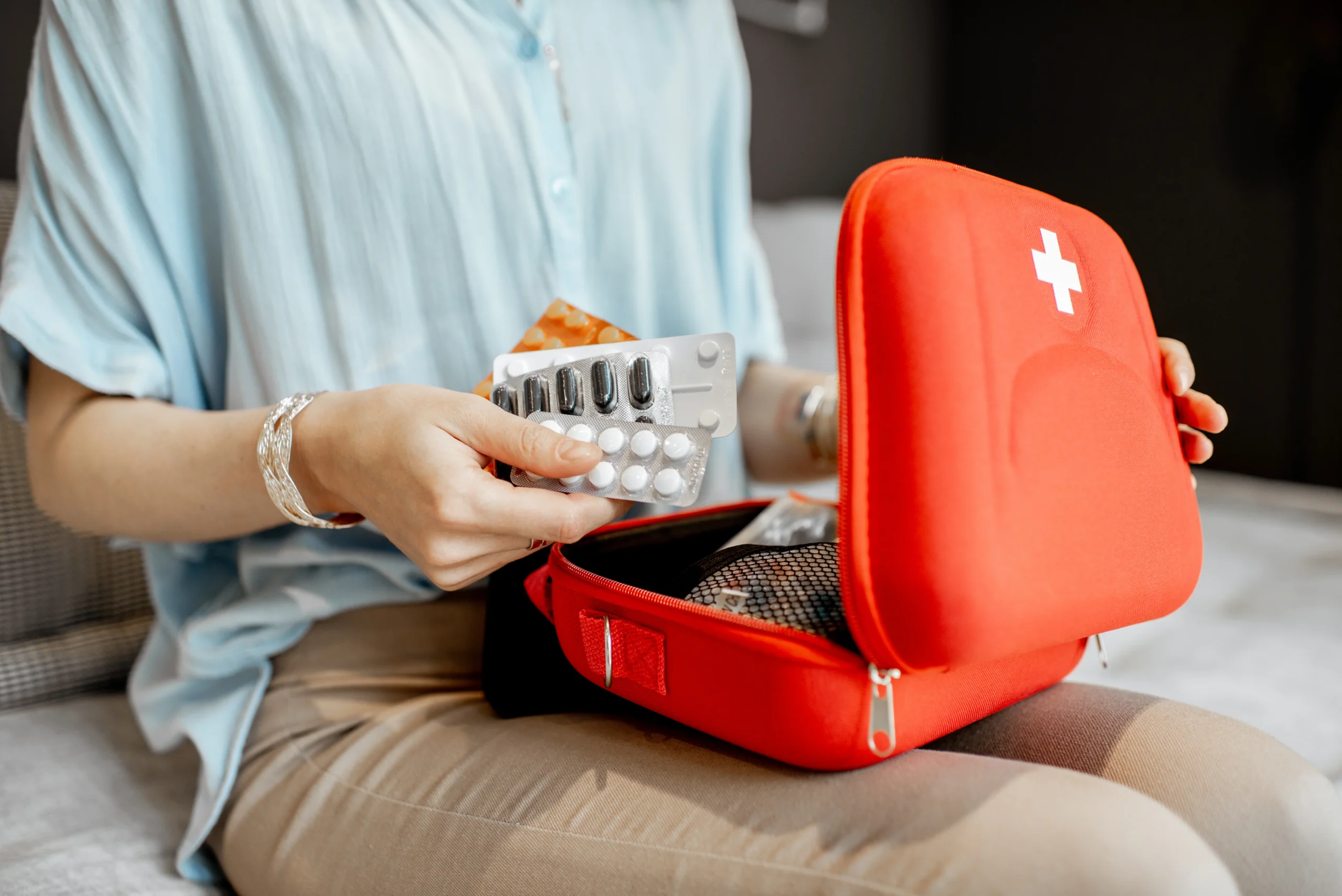
Respiratory illnesses can interrupt ordinary routines quickly. A caregiver becomes sick, a family trip is canceled, a pharmacy visit gets delayed, or a person who normally manages their own medicines needs help for several days. December is a good time to make sure routine prescriptions are not depending on one last-minute errand.
Quick Answer
CDC’s December 19, 2025 FluView report said seasonal influenza activity was continuing to increase across the country. For California households, the practical pharmacy step is simple: check routine prescription supply before holiday schedules and illness disrupt normal errands. Request eligible refills with enough time for the pharmacy to process them, keep a current medication list, and know who can help with pickup. Do not stockpile, change doses or seek prescription flu treatment without appropriate clinical guidance.
What the December 19 Flu Report Said
CDC’s FluView report for the week ending December 13, 2025 stated that seasonal influenza activity continued to increase nationally and that sustained higher activity was appearing across multiple indicators. The report also said influenza A(H3N2) viruses were the most frequently reported influenza viruses at that point in the season.
The report did not mean every cough or fever was influenza. COVID-19, RSV and other respiratory viruses can cause similar symptoms. Local activity can also differ from national patterns, so California residents should follow current state and local public-health information when illness is increasing in their area.
Why Routine Prescriptions Deserve Attention Before Holiday Illness
The goal is continuity, not extra medication “just in case.” If a routine medicine is due for refill during a holiday week, check the remaining supply and the refill status early. Some prescriptions can be processed quickly; others may require authorization, a new prescription, stock coordination or an insurance timing rule.
Count what is actually on hand
Use the current container rather than estimating from the last fill date.
Check refill status
Look at the label or ask the pharmacy whether refills remain.
Know holiday hours
A normal weekday schedule may not apply around Christmas and New Year’s Day.
Plan pickup help
If the patient becomes ill, know whether a caregiver can collect the medication or whether another approved option is available.
Keep the medication list current
If urgent care is needed, the list can help clinicians understand ongoing therapy.
Do not double up after a missed dose
Use the prescription directions and ask a pharmacist or prescriber when the correct next step is unclear.
Older Adults and Other Higher-Risk Patients Need a Clearer Backup Plan
CDC identifies several groups at higher risk for serious flu complications, including older adults and people with certain chronic conditions. For a person whose regular medications support diabetes, heart disease, lung disease or another ongoing condition, a respiratory illness can make medication routines harder to maintain.
Caregivers should know the current medication list, pharmacy and prescriber contacts, and what to do if vomiting, poor intake, breathing problems or another illness issue makes the usual medication schedule difficult. Those are clinical questions; call the appropriate clinician rather than improvising medication changes at home.
Medicare Plan Finder allows users to enter prescriptions and pharmacies to compare estimated plan costs. For a final coverage answer, confirm the details with the plan because formularies and plan rules are plan-specific.
Check Before Adding Multiple OTC Cold or Flu Products
Holiday illness often leads people to reach for several over-the-counter products at once. Combination cold and flu products can contain overlapping active ingredients, and OTC medicines can interact with prescriptions or be unsuitable for some health conditions.
Read the Drug Facts label and compare active ingredients. If you are not sure whether an OTC product can be used with a current prescription, ask a pharmacist or clinician before combining them.
Prescription Flu Antivirals Are Different
CDC notes that prescription antiviral drugs are available to treat influenza and work best when started promptly, especially for people at higher risk. Whether testing or antiviral treatment is appropriate is a clinical decision; contact a health care professional rather than waiting for a routine refill question to become an urgent illness problem.
Six Questions to Answer Before Holiday Closures
- Which routine prescription is likely to run out first?
- Does the current label show remaining refills?
- Will a new prescription or authorization be needed?
- What are the pharmacy’s holiday hours?
- Who can pick up or receive the medication if the patient is sick?
- Which clinician should be contacted if illness changes eating, breathing or the ability to take medicines normally?
Refill Timing
Check routine prescriptions before the holiday rush.
Las Palmas Pharmacy can help confirm refill status and pharmacy timing for prescriptions in its records. For flu symptoms, testing or antiviral treatment, contact an appropriate clinician.
If Someone Becomes Sick, Separate Pharmacy Questions From Medical Questions
- Call the pharmacy
- Refill status, prescription label, storage, available dosage form, pickup or dispensing questions.
- Call the prescriber/clinician
- Whether symptoms need testing, whether an antiviral or other treatment is appropriate, or whether illness changes how a prescription should be taken.
- Seek urgent/emergency care
- Severe or worsening symptoms, difficulty breathing, confusion, dehydration or other warning signs requiring prompt medical evaluation.
Frequently Asked Questions
Was flu activity increasing in December 2025?
Yes. CDC’s FluView report published December 19, 2025 said seasonal influenza activity continued to increase across the country. Activity varies by location, so California residents should also follow current state and local respiratory-virus information.
Should I refill every prescription early because flu is rising?
Not necessarily. The useful step is to check which routine prescriptions are actually due, whether refills remain and whether holiday schedules could create a gap. Insurance and controlled-substance rules can affect when a prescription may be filled.
Can I keep extra prescription medicine for holiday emergencies?
Do not change quantities or accumulate medication outside the prescription and plan rules. If travel, closures or illness could affect access, ask the pharmacy or prescriber what can legally and safely be arranged.
Can a pharmacist tell me whether I have the flu?
A pharmacist can answer medication questions and may offer certain services depending on the pharmacy, but diagnosis, testing and treatment decisions depend on the clinical situation. Contact an appropriate health professional for symptoms that may be flu.
Why should I list OTC cold medicines with my regular prescriptions?
OTC products can contain overlapping ingredients and may interact with prescriptions or health conditions. Keeping them on the medication list helps a pharmacist or clinician review what is actually being used.
When should a higher-risk person seek medical advice for flu symptoms?
CDC advises prompt clinical evaluation and early antiviral treatment for people at higher risk when influenza is suspected. Contact the person’s clinician promptly, especially if symptoms are significant or worsening; urgent or emergency warning signs require immediate care.
Keep Routine Medication Access Simple During Respiratory Season
A refill check cannot prevent illness, but it can remove one avoidable problem from a busy holiday week. Contact Las Palmas Pharmacy about refill and prescription questions, and use a clinician for flu testing, treatment and symptom decisions.